which one, and how to get approved
- Foreigners can get a Japanese credit card. You don’t need permanent residency or a guarantor. You need a residence card, a Japanese address, a phone number and a bank account in your own name.
- Issuers mainly want to know whether you’ll stay in Japan and keep paying, so the time left on your residence card and stable income matter most.
- Start with a no-fee card that’s easy to get: Rakuten Card or AEON Card for students, SMBC Card (NL) or Rakuten Card for workers, plus JCB Card W if you’re 39 or under.
- Fill in the form exactly as your residence card shows, set the cash advance limit to ¥0, apply for one card at a time, and if you’re rejected, wait 6 months and use a debit card meanwhile.
- Before your first bill, make sure direct debit is set up (EPOS says it can take 1–1.5 months). Pay in full to avoid interest, and leave 自動リボ (auto-revolving) off.
- In a hurry? SMBC Card (NL) gives you a card number in as little as 10 seconds and JCB Card W in 5 minutes; an EPOS Card applied for at a Marui store takes about 30 minutes.
- Use your card abroad or on foreign sites a lot? JCB Card W and AEON Card charge a 1.60% foreign transaction fee, versus 3.63–3.85% on many others; MUFG Card’s Visa and Mastercard rise to 4.50% from 16 November 2026.
- Can foreigners get a credit card in Japan? The four things you need
- What issuers check: 6 points
- 4 myths to ignore
- Which card first? Pick by situation
- By status of residence: students, workers, working holiday
- Six first cards compared
- How long it takes: same-day options
- The Japanese application form, field by field
- Applying, and receiving the card
- Closing dates, payment dates, and how to pay
- If you’re rejected
- Three things to do once you have a card
- Your second card
- Japanese terms worth knowing
- FAQ
- Sources
Can foreigners get a credit card in Japan? The four things you need
Yes. Issuers care about whether you live in Japan and can pay, not your nationality. Rakuten Card’s official site, for example, only lists two groups who can’t apply: people under 18 and people living overseas.
What you do need is a basic footing in Japan. Without these four, you won’t get through the application form.
Do things in this order (Rakuten Card’s own guide lists the same steps):
- Receive your residence card
- Register your address at the city office
- Get a phone number and an email address
- Open a bank account (which bank to choose first)
- Apply for a credit card
What issuers check: 6 points
A credit card is buy now, pay later, so the issuer is fronting your money. With foreign applicants, they also check one more thing: will you still be in Japan, paying your bill, a year from now? These six points come up again and again in issuers’ official guides.
Whether you’ll stay in Japan and keep paying.
Apply right after renewing. Saison Card International requires at least 6 months left on your residence card.
Your ability to repay. A full-time job on a work visa beats a working holiday or a short study stay.
Report your income honestly. Students and stay-at-home spouses should pick cards whose rules mention students or a spouse’s income.
The longer you’ve been with the same employer and at the same address, the more stable you look.
If you just changed jobs or moved, wait a little if you can.
Late payments on loans, installments or cards in Japan. Phone installment plans are recorded too.
Pay your phone bill and installments on time. Not sure? Check your CIC record.
A name, address or phone number that doesn’t match your ID looks like a typo or even identity fraud.
Name as on your residence card, address as on your resident record. Don’t use an alias.
Several applications at once suggest you’re short of money.
One application at a time. CIC keeps application records for 6 months.
If you’ve never borrowed or used a card in Japan, your CIC file is simply empty. That isn’t a black mark, but it gives the issuer nothing to go on, so start with an entry-level retail card (Rakuten, EPOS, AEON) rather than a gold card. And if you don’t need cash advances, set that limit to ¥0: SMBC Card lists it as one way to improve your chances.
4 myths to ignore
You’ll hear a lot of advice from friends and forums. Some of it is out of date, and some was never true. Here’s how it compares with what the issuers actually say.
You don’t. Rakuten Card’s rules only mention age and where you live, and SMBC Card says foreigners staying 3 months or more can apply. Permanent residency may help, but it isn’t a requirement.
You don’t. None of the cards in this guide list a guarantor in their eligibility rules. What they ask for is a residence card, an address, a phone number and a bank account.
It backfires. CIC keeps application records for 6 months, and issuers can see how many cards you applied for at once. Saison Card names multiple simultaneous applications as a common reason for rejection.
Not necessarily. Rakuten Card says international students can apply, and AEON Card says students and stay-at-home spouses can apply without income.
Which card first? Pick by situation
Find the group closest to you, then pick one card. Eligibility is quoted from each issuer’s official site; approval depends on screening.
- Rakuten Card: officially open to international students. No annual fee, 1% back. See our Rakuten Card guide.
- AEON Card: students and stay-at-home spouses can apply without income. Great if you shop at AEON.
- MUFG Card / JCB Card W: both list students (not high school students) as eligible. JCB Card W is for ages 18–39.
- SMBC Card (NL): 7% back when you tap your phone at eligible convenience stores and restaurants, McDonald’s included. Card number in as little as 10 seconds. See our SMBC Card (NL) guide.
- Rakuten Card: 1% base rate. Best if you use Rakuten Ichiba and other Rakuten services.
- JCB Card W if you’re 39 or under: 1% base, more at partner stores such as Amazon and Starbucks. See our JCB guide.
- AEON Card: you can apply without income.
- Cards that count your spouse’s income: JCB Card W, MUFG Card and PayPay Card require stable income from you or your spouse.
- Family card: if your spouse already has a card, a family card is usually the easiest route.
- GTN EPOS Card: made for foreign residents, with an application screen in English and other languages. But its official FAQ says only GTN service users can apply, and the card usually takes about a week to arrive.
- Not a GTN customer? The regular EPOS Card works fine and has no nationality restriction. See our EPOS Card guide.
By status of residence: students, workers, working holiday
The previous section split people by income. Here’s what it means for different statuses of residence. These are pointers drawn from the issuers’ eligibility rules and screening points, not a promise of approval.
- Student: start with cards that mention students (Rakuten Card, AEON Card, MUFG Card, JCB Card W). If your residence card expires soon, renew first.
- Work statuses (Engineer/Specialist in Humanities/International Services, Specified Skilled Worker, Technical Intern Training, etc.): with a salary, cards that require stable income of your own are open to you (SMBC Card (NL), Rakuten Card, JCB Card W, MUFG Card, PayPay Card). But right after starting a job or arriving, your time at the job and address is short, which issuers check, so an entry-level retail card is the safer first choice.
- Dependent: as above: AEON Card (no income needed), cards that count your spouse’s income, or a family card.
- Permanent resident: your period of stay has no expiry, which helps on the “time left” point; income and credit history are still checked.
- Working holiday: your stay is capped and time left is often short. Cards like Saison Card International that require 6+ months on your residence card are out of reach. Rather than forcing applications, start with a debit card.
- Temporary visitor (tourist etc.): no residence card is issued, so you can’t apply for a Japanese credit card.
Six first cards compared
All six have no annual fee and are easy first cards. The eligibility column is translated from each issuer’s official wording.
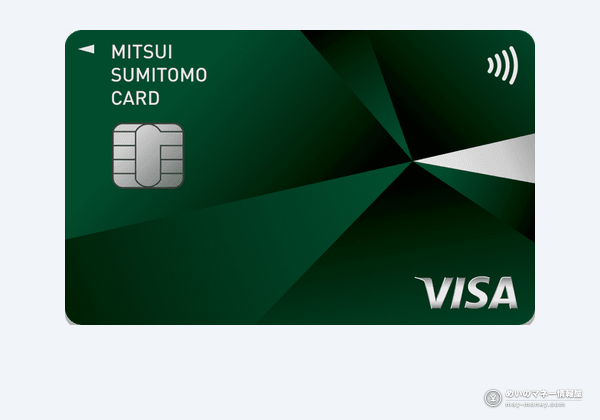
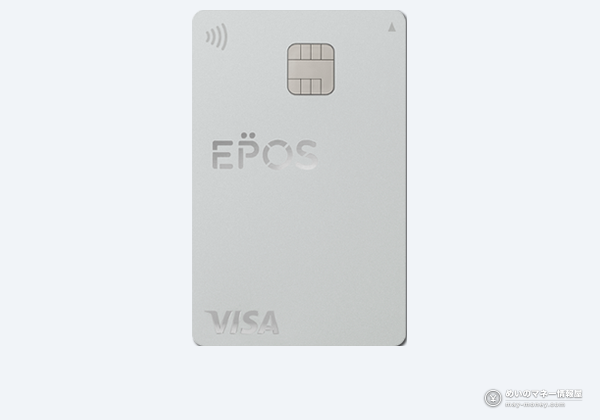
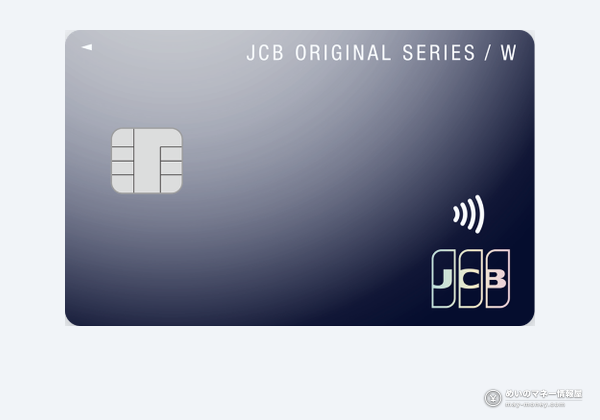
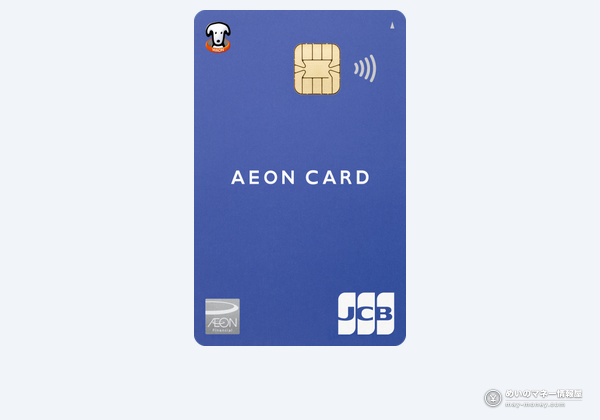
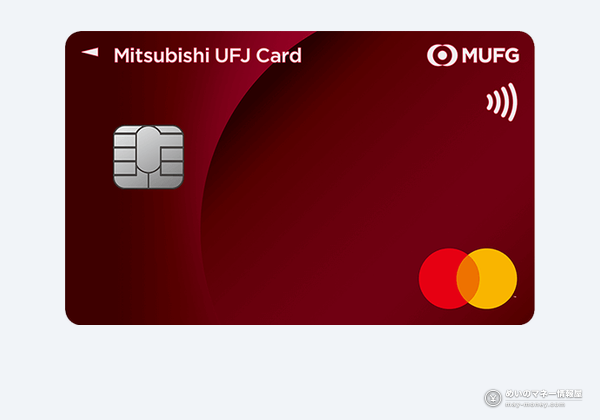
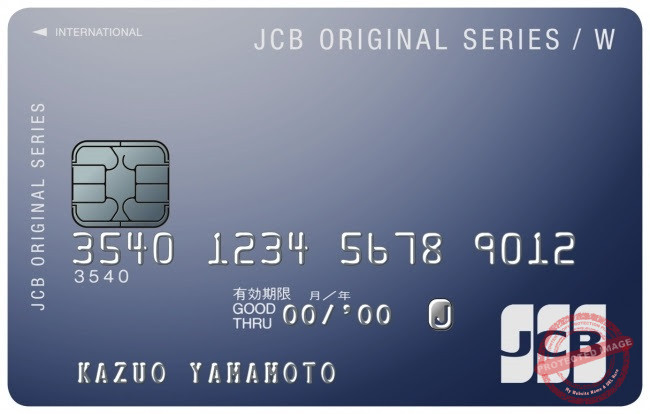
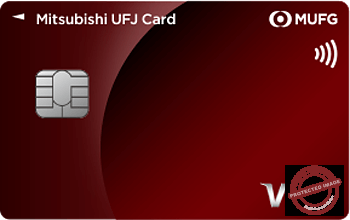
Card images are from each issuer’s official site (September 2026); the AEON Card shown is the WAON version. See Rakuten Card’s own site for its design.
| Card | Eligibility (official) | Annual fee | Base rewards | Best for |
|---|---|---|---|---|
| Rakuten Card | Not available to people under 18 or living overseas | Free | 1% (1 pt per ¥100) | Rakuten shoppers students |
| SMBC Card (NL) | 18 or older (not high school students) | Free | 0.5% 7% with phone tap at eligible stores | Convenience stores McDonald’s |
| EPOS Card | Lives in Japan, 18 or older (not high school students) | Free | 0.5% (1 pt per ¥200) | Need it fast Marui shoppers |
| JCB Card W | Ages 18–39 with stable income (self or spouse), or students aged 18–39 | Free (join by 39) | 1% | 39 or under online shoppers |
| AEON Card | 18 or older, lives in Japan, reachable by phone (students and homemakers without income OK) | Free | 0.5% (1 WAON POINT per ¥200) | AEON shoppers dependents |
| MUFG Card | 18 or older with stable income (self or spouse), or students 18 or older | Free | 0.5% up to 20% at eligible stores (conditions apply) | MUFG Bank users |
Checked against official sites on 29 Sep 2026. Rewards, eligible stores and conditions change, so check the issuer’s site before applying. Approval depends on screening.
Only phone-based Visa or Mastercard contactless payments and mobile orders count. The official notes are clear: tapping the physical card, iD, or inserting the card doesn’t qualify. At self-checkouts, pressing the Apple Pay button processes the payment as iD, so choose “credit card” instead.
Visa, Mastercard or JCB?
Rakuten Card lets you choose Visa, Mastercard, JCB or American Express; SMBC Card (NL) comes as Visa or Mastercard. If you’ll only use it in Japan, any brand works. If you travel home often or shop on foreign websites, Visa or Mastercard is the safer choice.
What you pay extra abroad or in foreign currencies
When you pay abroad or on a site that charges in a foreign currency, a foreign transaction fee is added on top of the exchange rate. It varies quite a bit:
| Card | Foreign transaction fee (tax incl.) | Notes |
|---|---|---|
| JCB Card W | 1.60% | Rate stated by JCB |
| AEON Card | 1.60% | Same for Visa, Mastercard, JCB |
| Rakuten Card | 3.63% | Since March 2025, all brands |
| SMBC Card (NL) | 3.63% | Visa, Mastercard |
| EPOS Card | 3.85% | Since 1 July 2025 |
| MUFG Card | Visa/Mastercard 3.85% → 4.50% | Rises for purchases from 16 Nov 2026; JCB 4.34%, Amex 4.30% |
Checked against official sites on 29 Sep 2026.
MUFG NICOS warns that even websites or mail order in Japanese can turn out to be foreign-currency purchases, with the fee applied. If you often buy from overseas sites or use your card on trips home, a 1.60% card saves money. AEON Card charges 1.60% on Visa, Mastercard and JCB alike, so picking Visa or Mastercard gets you both wide acceptance and the low fee.
Card-by-card guides: Rakuten Card · SMBC Card (NL) · EPOS Card · JCB Card W · MUFG Card
How long it takes: same-day options
If you’ve just arrived and rent or your phone bill is due next month, how soon you can use the card matters too. Based on each issuer’s official information:
| Card | Fastest you can use it | Physical card |
|---|---|---|
| SMBC Card (NL) | Card number in the app in as little as 10 seconds (¥50,000 limit if you apply 19:31–08:59) | Sent by post later |
| JCB Card W | Card number in as little as 5 minutes | Sent by post later |
| AEON Card | Instant issue: screening in as little as 5 minutes, details on your phone (AEON Pay app) | Usually 2–3 weeks in-store pickup from 30 min |
| EPOS Card | Apply at a Marui EPOS Card Center: about 30 minutes | Online + Marui pickup: same day at best; by post ~1 week |
| MUFG Card | Issued as soon as the next business day (Visa/Mastercard) | About a week |
| Rakuten Card | — | Usually 1 week to 10 days after the confirmation email |
| GTN EPOS Card | — | Usually about a week |
Screening and holidays (New Year, Golden Week) can slow things down. Checked against official sites on 29 Sep 2026.
If you apply for EPOS Card in a Marui store, the welcome offer is a ¥2,000 Marui coupon instead of points, and the referral campaign only covers online applications. Unless you’re in a hurry, apply online.
The Japanese application form, field by field
Application forms are almost always in Japanese. These fields appear on most of them. Wording varies by issuer, so follow the instructions on the actual screen.
| Japanese field | Meaning | How to fill it in |
|---|---|---|
| お名前(漢字) | Name (kanji) | Many issuers ask foreign applicants to type their name in roman letters here too (e.g. Lawson Bank) |
| お名前(ローマ字) | Name (roman letters) | Exactly as on your residence card, including order and spaces |
| フリガナ | Name in katakana | How your name is pronounced, in katakana. Matching your bank account’s katakana name avoids trouble later |
| ご自宅住所 | Home address | As on your resident record, building name and room number included |
| 住居の種類 | Type of housing | 持ち家 = owned, 賃貸 = rented, 社宅・寮 = company housing / dorm |
| 居住年数 | Years at this address | Enter months if you just moved |
| 勤務先名・電話番号 | Employer name and phone | This is the number the issuer may call to confirm you work there |
| 雇用形態 | Employment type | 正社員 = full-time, 契約・派遣 = contract / agency, パート・アルバイト = part-time, 学生 = student |
| 年収 | Annual income (before tax) | Be honest; don’t round up |
| キャッシング利用枠 | Cash advance limit | Choose ¥0 if you don’t need cash advances |
| お支払い口座 | Payment account | A Japanese bank account in your own name |
Applying, and receiving the card
- Have the four things ready
Residence card, Japanese mobile number, a bank account in your name, and your registered address. Some issuers also ask for a second ID such as your passport (per Rakuten Card’s guide). - Apply online via the issuer’s site or a referral link
It can usually be done on your phone, with ID checks done by photographing your residence card. - Fill in the form using the table above
Check it against your residence card once more before submitting. - Wait for screening
The issuer may call your workplace to confirm you work there. Not every card or applicant gets this call. - Receive the card, set up automatic payment, start using it
Cards are often sent by honnin gentei uketori yubin, a restricted delivery where you show ID matching your application. American Express notes that this mail isn’t forwarded, so if you move right after applying you won’t receive it. Settle your address first, and update your ID before you apply.
In Saison Card’s guide to why foreign applicants get rejected, the first item listed is incomplete or incorrect names and addresses. Compare the form with your residence card letter by letter before sending it.
Closing dates, payment dates, and how to pay
Japanese cards bill once a month: spending is totalled on a fixed closing date and debited from your bank account the following month. The first payment is where most people slip up, so check this table and the two points below.
| Card | Closing date | Payment (debit) date | Notes |
|---|---|---|---|
| Rakuten Card | End of month (25th for Rakuten Ichiba) | 27th of next month | Can’t be changed |
| SMBC Card (NL) | 15th or end of month | 10th or 26th of next month | You choose |
| EPOS Card | Depends on your payment date | 4th or 27th | Online/mail applicants are set to the 27th |
| JCB Card W | 15th | 10th of next month | Can’t be changed |
| AEON Card | 10th | 2nd of next month | |
| MUFG Card | 15th | 10th of next month |
If the payment date falls on a bank holiday, it moves to the next business day. Checked against official sites on 29 Sep 2026.
EPOS Card says registering your bank account for direct debit can take about 1 to 1.5 months, and until then you pay at an ATM or by online banking. Before your first bill arrives, check in the app or member site that your payment account is registered. A failed debit counts as a late payment and goes on your CIC record, where it can stay for up to 5 years after the contract ends.
Pay in full; don’t drift into revolving credit
You can pay in full (1回払い), in installments (分割払い) or by revolving payments (リボ払い). Paying in full costs nothing; installments and revolving payments carry interest. Rakuten Card’s revolving rate is 15.00%–17.64% APR depending on the card, and EPOS Card charges 18.0% APR for 3–36 installments. A fixed monthly revolving payment feels manageable, but the balance shrinks slowly while the interest adds up. Unless you have a reason, pay in full, and don’t switch on settings like 自動リボ (automatic revolving) that convert your purchases into revolving debt.
If you’re rejected
- Don’t rush into the next application
CIC keeps application records for 6 months. Back-to-back rejections are visible to the next issuer too, so waiting 6 months is the safe choice. - Check your credit record
You can request your CIC report online and see whether there’s a late payment you didn’t know about. See our CIC guide. - Go through the six points above
Too little time left on your residence card? A typo? A late phone bill? - Use a debit card in the meantime
Debit cards take the money straight from your account instead of billing you later.- Rakuten Bank debit card: Visa, Mastercard or JCB; 1 Rakuten point per ¥100; available from age 16.
- Sony Bank WALLET: Visa debit; no screening for anyone 15 or older; issued when you open a Sony Bank account.
- SMBC Olive: a bank account with a built-in debit card. See our Olive guide.
- Spend or send money abroad a lot? Look at Revolut and Wise.
- If you really need a credit card, there’s a deposit-backed option
Nexus Global Card is only for foreign residents: you pay a deposit up front and that amount becomes your credit limit (Mastercard). You can apply without a Japanese bank account and pay on the 6th of each month by direct debit or at a convenience store. There’s still screening; you must be 18 or older (not a high school student) and upload both sides of your residence card. There’s no issuance fee and no annual fee for the first year. The deposit can’t be used to pay your bill, and it’s refunded at the end of the second month after you cancel (conditions apply). The site suggests registering for revolving payments, but revolving costs 18.00% a year, so stick with paying in full if you can. - If your spouse has a card, get a family card
Three things to do once you have a card
- Tell your card issuer when you renew your residence card
EPOS Card, for example, asks foreign cardholders to submit their residence card and may suspend the card if it can’t confirm it. If another issuer writes to you about it, respond promptly. - Paying on time builds your credit history
CIC keeps credit information for the life of the contract and up to 5 years after it ends, phone installment plans included. A clean record on your first card makes the second one much easier. - Sort things out before you leave Japan
Make sure the final bill has been debited before you close your bank account; a failed payment stays on your credit record as unpaid. Japanese cards are generally meant for residents of Japan, so check your card’s terms before moving abroad.
Your second card
After using your first card on time for a while, add a second one that fits how you spend:
- Mizuho Rakuten Card: 2% on everyday spending from September 2026, with several conditions.
- JRE CARD: for Suica commuters who shop at station buildings.
- Amazon Prime Mastercard: for frequent Amazon shoppers.
- Investing with a credit card: if you have a brokerage account.
- Amex Gold Preferred: annual fee ¥39,600 (tax incl.). Amex gives examples of application conditions such as being an adult, living in Japan (with a registered Japanese address), and having an email address and valid ID; there’s also screening. Best once your income is stable.
- Marriott Bonvoy Amex: for regular Marriott guests.
Japanese terms worth knowing
You’ll see these Japanese terms again and again when you apply, get screened, receive the card and pay:
| Japanese | Reading | Meaning |
|---|---|---|
| 在留カード | zairyū kādo | Residence card |
| 住民票 | jūminhyō | Certificate of residence (your registered address) |
| 在籍確認 | zaiseki kakunin | A call to your workplace to confirm you work there |
| 本人限定受取郵便 | honnin gentei uketori yūbin | Mail you must sign for with ID; not forwarded |
| 口座振替 | kōza furikae | Direct debit from your bank account |
| 締め日 | shimebi | Closing date |
| 支払日 | shiharaibi | Payment date |
| 1回払い | ikkai barai | Pay in full (no fee) |
| リボ払い | ribo barai | Revolving payments (interest) |
| キャッシング | kyasshingu | Cash advance |
| 利用可能枠 | riyō kanō waku | Available credit |
| 延滞 | entai | Late payment |
FAQ
- Q. Can I get a Japanese credit card without permanent residency?
- Yes. You need a residence card (or special permanent resident certificate), a Japanese address, a phone number and a bank account in your name. Permanent residency isn't a requirement. Rakuten Card's site only excludes people under 18 and people living overseas.
- Q. Do I need a guarantor?
- No. None of the cards in this guide list a guarantor in their eligibility rules.
- Q. Can I apply if I've been in Japan for less than 3 months?
- Usually not. Residence cards are only issued to people staying longer than 3 months, and SMBC Card says foreigners can apply if they're staying 3 months or more. Get your residence card, address registration, phone number and bank account first.
- Q. Which cards can students without income get?
- Rakuten Card says international students can apply, and AEON Card says students can apply without income. MUFG Card and JCB Card W also include students (not high school students; JCB Card W is for ages 18–39). Approval depends on screening.
- Q. How much time should be left on my residence card?
- There's no common rule. Saison Card International requires at least 6 months. Issuers want to know you'll keep paying from Japan, so more time is better. The safest moment is right after renewing.
- Q. Should I write my name in kanji or roman letters?
- Exactly as on your residence card, including order and spaces, and no alias. Follow any instructions on the form: Lawson Bank's FAQ, for instance, tells foreign applicants to enter roman letters in the kanji name field too.
- Q. How long should I wait after being rejected?
- CIC keeps application records for 6 months, and back-to-back rejections are visible to the next issuer. Wait 6 months, and use the time to request your CIC report and find out what went wrong.
- Q. What should I watch for with my first bill?
- Check that direct debit from your bank account is set up. EPOS Card says this can take 1 to 1.5 months, and until then you pay at an ATM or by online banking. A failed debit is recorded on your credit file.
- Q. How soon can I use the card after applying?
- It depends on the card. SMBC Card (NL) shows the card number in its app in as little as 10 seconds, JCB Card W issues a number in as little as 5 minutes, and AEON Card's instant issue completes screening in as little as 5 minutes. Physical cards usually take about 1 week to 10 days for Rakuten Card and 2–3 weeks for AEON Card; applying at a Marui store gets you an EPOS Card in about 30 minutes.
- Q. Should I apply for a cash advance limit?
- If you don't need cash advances, set it to ¥0. SMBC Card lists this as one way to improve your chances.
- Q. What does it cost to use my card abroad or on foreign-currency sites?
- It depends on the card: 1.60% for JCB Card W and AEON Card, 3.63% for Rakuten Card and SMBC Card (NL), 3.85% for EPOS Card, and for MUFG Card's Visa and Mastercard 3.85% rising to 4.50% for purchases from 16 November 2026 (all tax included). Japanese-language sites can also be charged in a foreign currency.
- Q. Visa or JCB?
- Any brand works if you only use it in Japan. If you travel home often or shop on foreign websites, Visa or Mastercard is the safer choice.
- Q. Can anyone apply for the GTN EPOS Card?
- No. According to its official FAQ, it's only for GTN service users (18 or older with an address in Japan). The application screen supports several languages and the card usually arrives in about a week. Everyone else can apply for the regular EPOS Card.
- Q. What should I do with my card when I leave Japan?
- Make sure the final bill has been debited, then close your bank account; a failed payment stays on your credit record as unpaid. Japanese cards are generally meant for residents, so check your card's terms before moving abroad.
Sources
- SMBC Card: Can foreigners get a credit card? (updated 10 Mar 2026, Japanese)
- Saison Card: why foreign applicants get rejected · required documents (updated 2 Apr 2026, Japanese)
- Rakuten Card: can international students get a card? · Rakuten Card product page
- SMBC Card (NL) product page · conditions for 7% at eligible stores
- JCB Card W · MUFG Card application page
- AEON Card FAQ (eligibility) · PayPay Card help (eligibility)
- GTN EPOS Card FAQ · EPOS Card: residence card submission
- American Express: screening time and required documents (Japanese)
- CIC: information held (applications 6 months; credit information during the contract and up to 5 years after)
- Rakuten Bank debit card · Lawson Bank FAQ (names for foreign applicants)
- Rakuten Card: revolving payments · EPOS Card: payment methods and dates
- JCB billing dates · AEON Card billing dates · MUFG Card billing dates · SMBC Card billing dates (all Japanese)
- Rakuten Card: application flow · AEON Card instant issue · MUFG Card screening time · EPOS Card in-store application · welcome offer · referral (online only) (all Japanese)
- Rakuten Card foreign transaction fee · SMBC Card fees abroad · EPOS Card fee revision · JCB: using your card abroad · AEON Card shopping · MUFG NICOS fee revision (all Japanese)
- Nexus Global Card (deposit card) · Application notes (Japanese)
All checked on 29 September 2026. This isn’t financial advice; check each issuer’s latest conditions before applying.