Shinise Festival 2026: Old Shops From All Over Japan in One Street
10.3 SAT10:00–18:00 · Around Fukutoku no Mori and Naka-dori
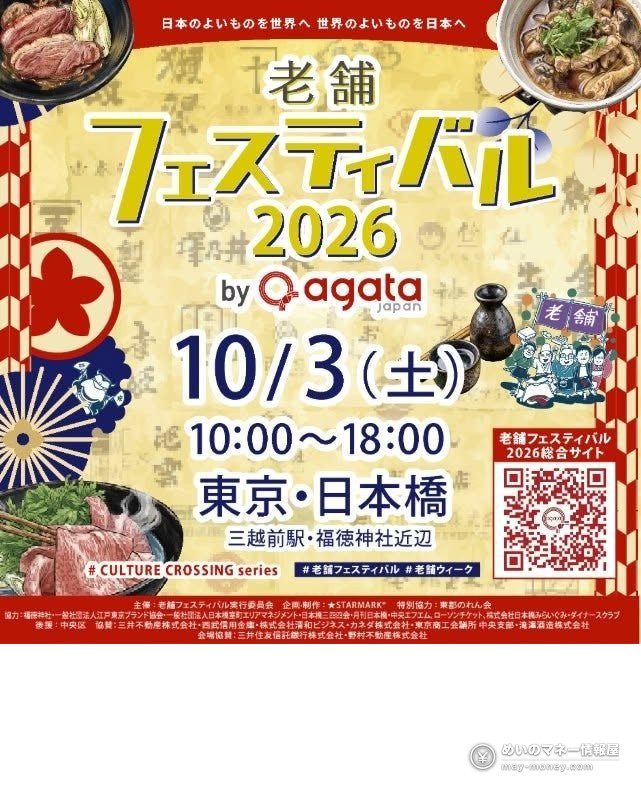
On Saturday 3 October 2026, the streets around Fukutoku no Mori (福徳の森) in Nihonbashi turn into a one-day market of long-established Japanese businesses. The event is called Shinise Festival 2026 by agataJapan (老舗フェスティバル2026 by agataJapan), and shinise simply means a shop that has been trading for generations.
One of the exhibitors is Funabashiya (船橋屋), a kuzumochi maker founded in 1805. It is bringing two items you do not usually see outside its own shops. Below: when and where, what else is planned, and what Funabashiya is selling.
Date, time and venue
| Event | Shinise Festival 2026 by agataJapan |
|---|---|
| Date | Saturday 3 October 2026 |
| Hours | 10:00–18:00 |
| Venue | Around Fukutoku no Mori and Naka-dori (仲通り), Nihonbashi |
| Address | 2-5-10 Nihonbashi Muromachi, Chuo-ku, Tokyo |
| Admission | Not stated in the announcement. Please check the official information. |
| Organizer | Shinise Festival Executive Committee (老舗フェスティバル実行委員会) |
It is a single-day event on a Saturday, so so you won’t get another chance to see it. If there is a particular shop you want to visit, go earlier rather than later.
What the festival is about
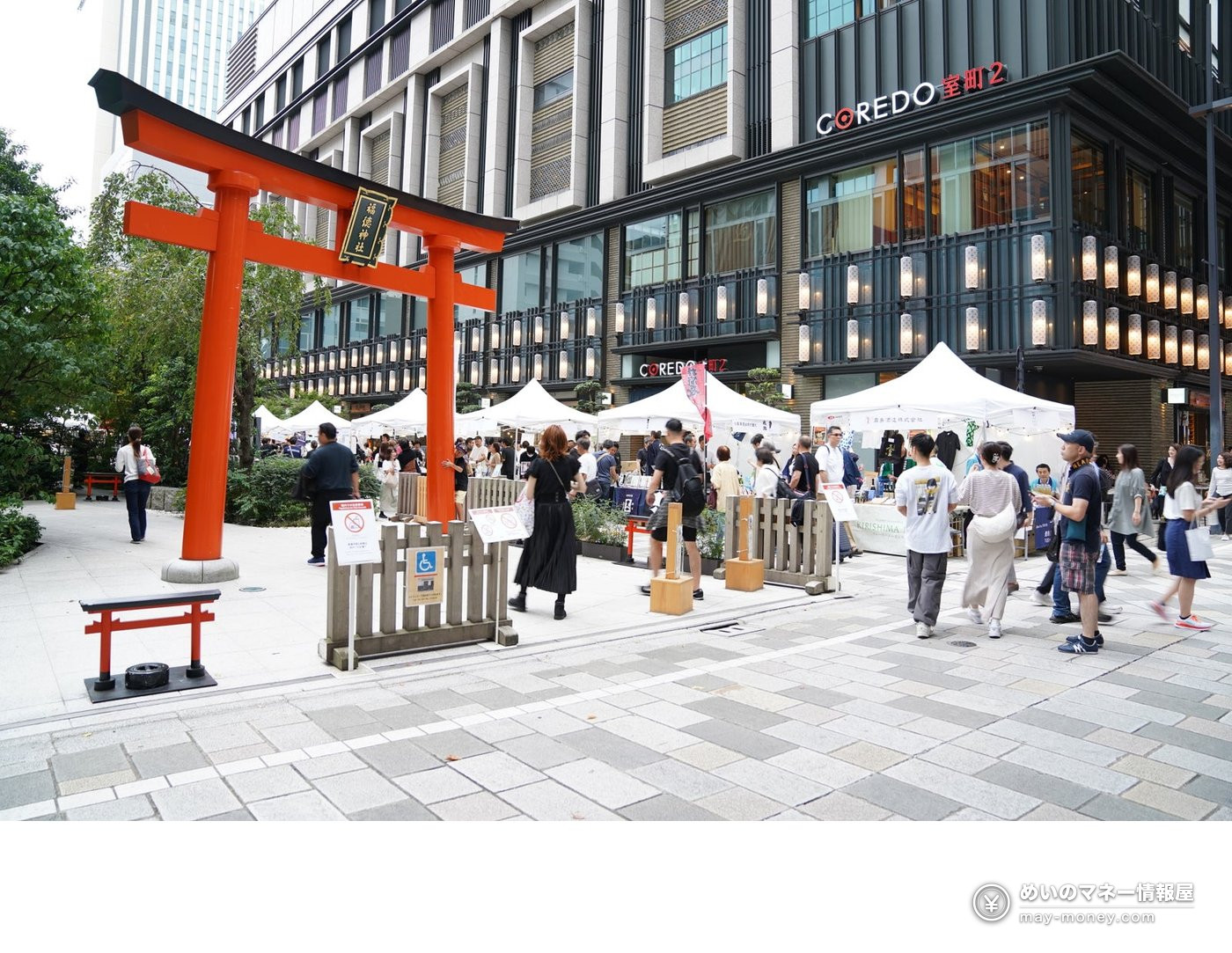
The idea is simple: give visitors a close look at the craft and culture that Japan’s oldest businesses have kept alive. This year’s theme translates roughly as Head Out With Traditional Culture (伝統文化と出かけよう).
What you can expect on the day
- Stalls from shops that have been in business for over 100 years, plus businesses from other parts of Japan
- Members of Tōto Noren-kai (東都のれん会), an association of long-established Tokyo shops
- Workshops where you can try traditional culture yourself
- Stage performances
The full list of exhibitors and the workshop and stage schedule are not in the announcement we used, so check the organiser’s information closer to the day.
Funabashiya: a 221-year-old kuzumochi shop
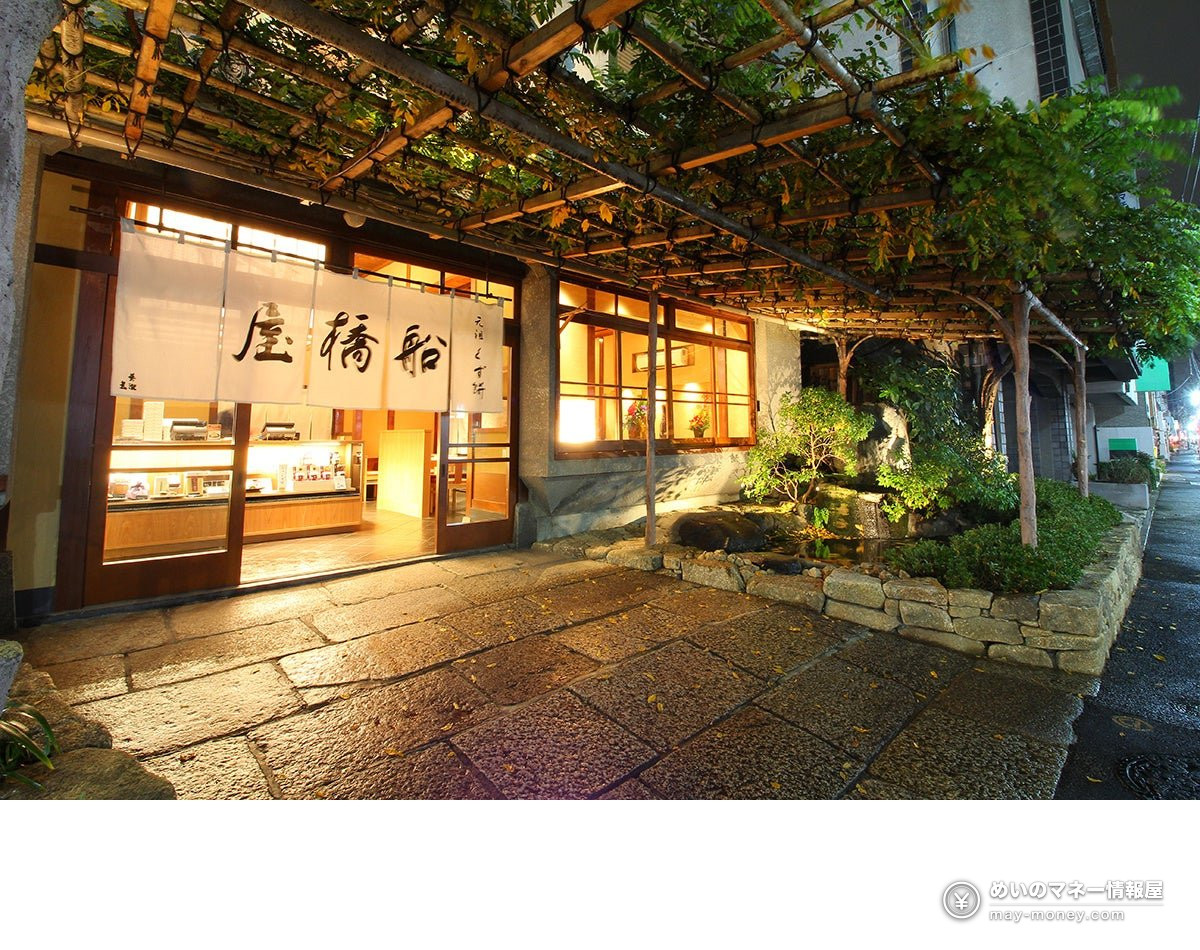
Funabashiya started in 1805 inside the grounds of Kameido Tenjin Shrine (亀戸天神社) in eastern Tokyo, which makes 2026 its 221st year. It takes part in the festival as a member of Tōto Noren-kai.
Its speciality is Kanto-style kuzumochi. Unlike most wagashi, it is a fermented sweet: wheat starch is fermented with lactic acid bacteria for 450 days and then steamed, which gives it a firm, springy bite. The shop also makes it without preservatives.
For this festival, though, Funabashiya is not selling its kuzumochi. It is bringing two products that tell a different side of its story.
| Item | Size | Price (tax incl.) |
|---|---|---|
| Wisteria honey (藤はちみつ) | 100 g | ¥1,350 |
| Fukuroku green tea (福緑) | 500 ml | ¥200 |
Prices as announced by Funabashiya on 28 September 2026. Prices may change, so please check on the day.
Wisteria honey: usually sold only in Kameido
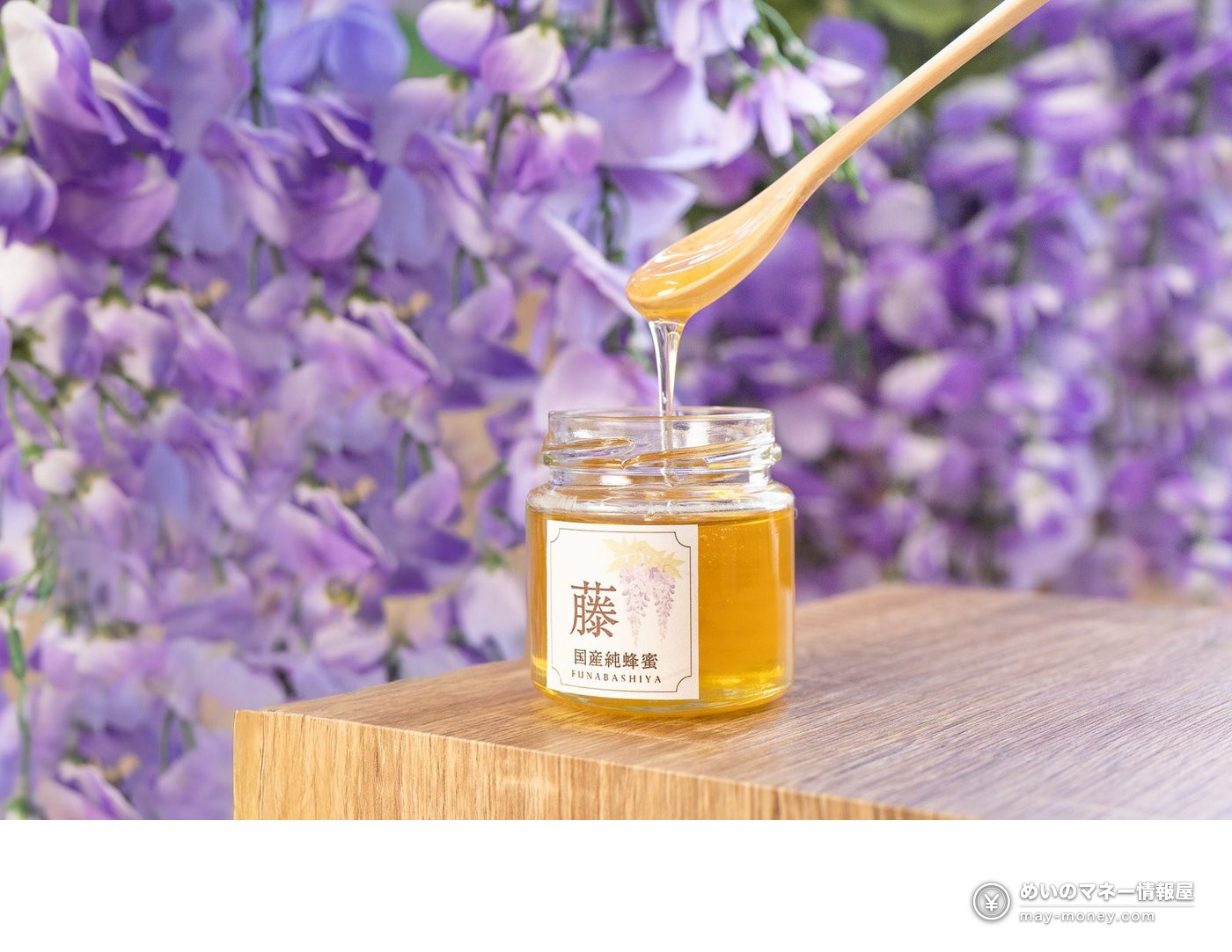
Kameido Tenjin Shrine has been famous for its wisteria since the Edo period, and every spring the trellises fill with flowers for its wisteria festival. For a shop founded on those grounds, the flower is part of its own history.
The bloom only lasts a short time, so Funabashiya offers a way to enjoy it in any season: honey collected from wisteria flowers. Normally you can only buy it at the Kameido Tenjin-mae main shop. At the festival it is on sale in Nihonbashi too, which saves a separate trip to Kameido.
Fukuroku green tea with kuzumochi lactic acid bacteria
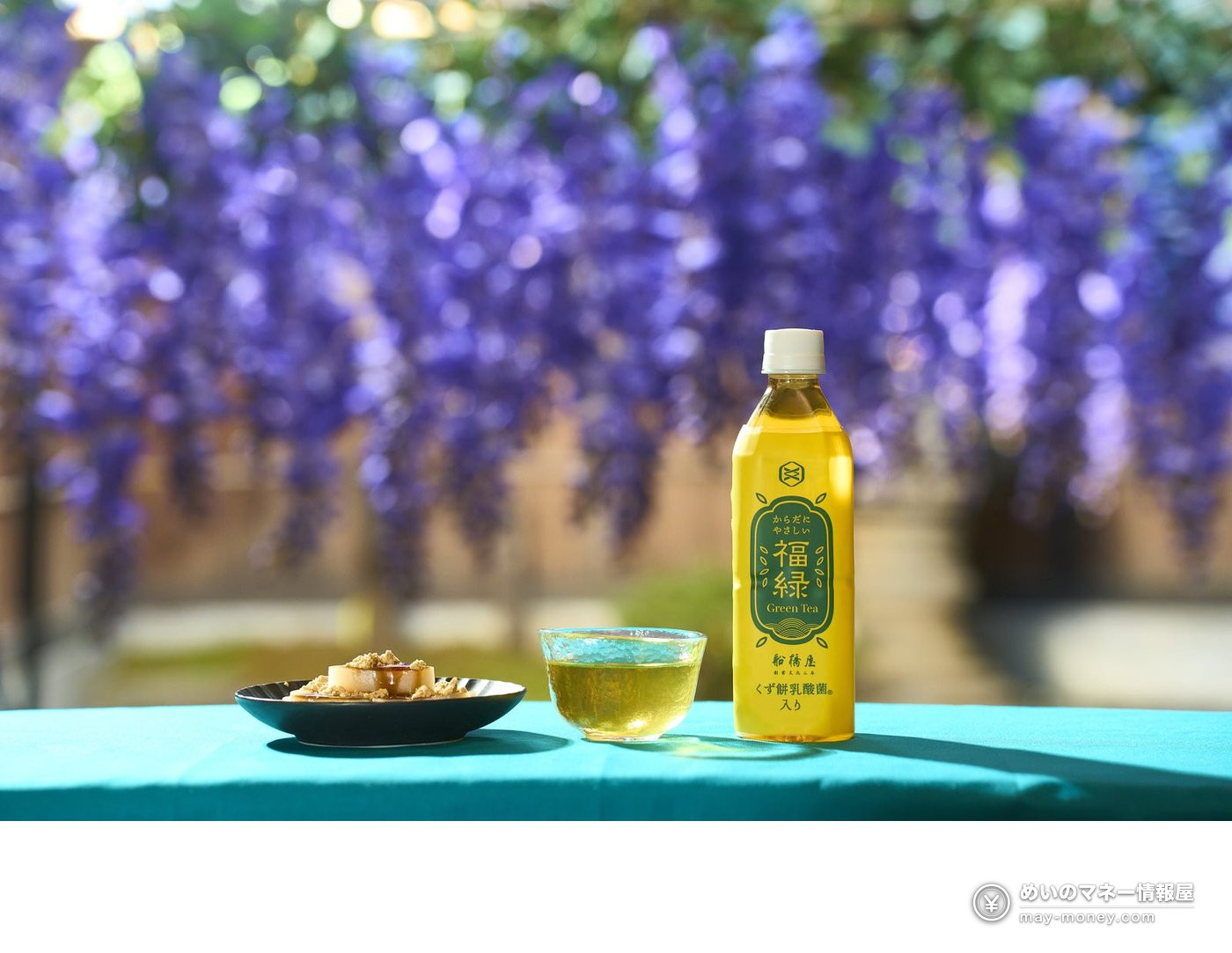
The second item is a bottled green tea called Fukuroku. It was designed as a tea that goes well with kuzumochi, and it links back to the fermentation behind the sweet.
- Base tea: Yabukita green tea from Shizuoka, known for a fresh aroma and rich umami
- What is added: Kuzumochi Lactic Acid Bacteria® strain F1805, which Funabashiya found while studying the bacteria in its kuzumochi fermentation
- Amount: 1 billion of these bacteria in each 500 ml bottle
- How to drink: good chilled or warmed
At ¥200 including tax, it is the easy pick if you want something to drink while walking around the stalls.
Tips before you go
- Check the admission and schedule yourself. The announcement does not mention an entry fee or workshop times, so confirm with the official information before heading out.
- Bring cash as a backup. Payment methods at each stall have not been announced, so it is safer not to rely on cards or QR payments alone.
- Leave room in your bag. Honey jars and bottled tea add weight quickly if you shop at several stalls.
Looking for more things to do in Tokyo this autumn? The Shibaura Canal Festival guide with free canal cruise times covers another waterfront event. If you are coming from outside Tokyo, the Aki no Norihodai Pass for 3 days of JR local trains may bring the cost of the trip down. And to end the day, the ¥300 Tokyo sento coupon lets you soak in a local bathhouse for less.
FAQ
- Q. When and where is Shinise Festival 2026?
- On Saturday 3 October 2026, from 10:00 to 18:00, around Fukutoku no Mori and Naka-dori in Nihonbashi (2-5-10 Nihonbashi Muromachi, Chuo-ku, Tokyo).
- Q. Is it free to enter?
- The announcement does not mention an admission fee. Please check the official information before you go.
- Q. What is Funabashiya selling at the festival?
- Two items: wisteria honey (100 g, ¥1,350 including tax) and Fukuroku green tea (500 ml, ¥200 including tax).
- Q. Can I buy the wisteria honey somewhere else?
- It is normally sold only at Funabashiya’s Kameido Tenjin-mae main shop. The festival is an extra chance to buy it in Nihonbashi.
- Q. Is there anything besides food stalls?
- Yes. Workshops on traditional culture and stage performances are planned alongside the stalls.
Source: Funabashiya Co., Ltd. press release (28 September 2026). Details may change, so check the latest information before visiting.