NIES Open House 2026: A Free Day Inside Japan’s Environmental Research Institute
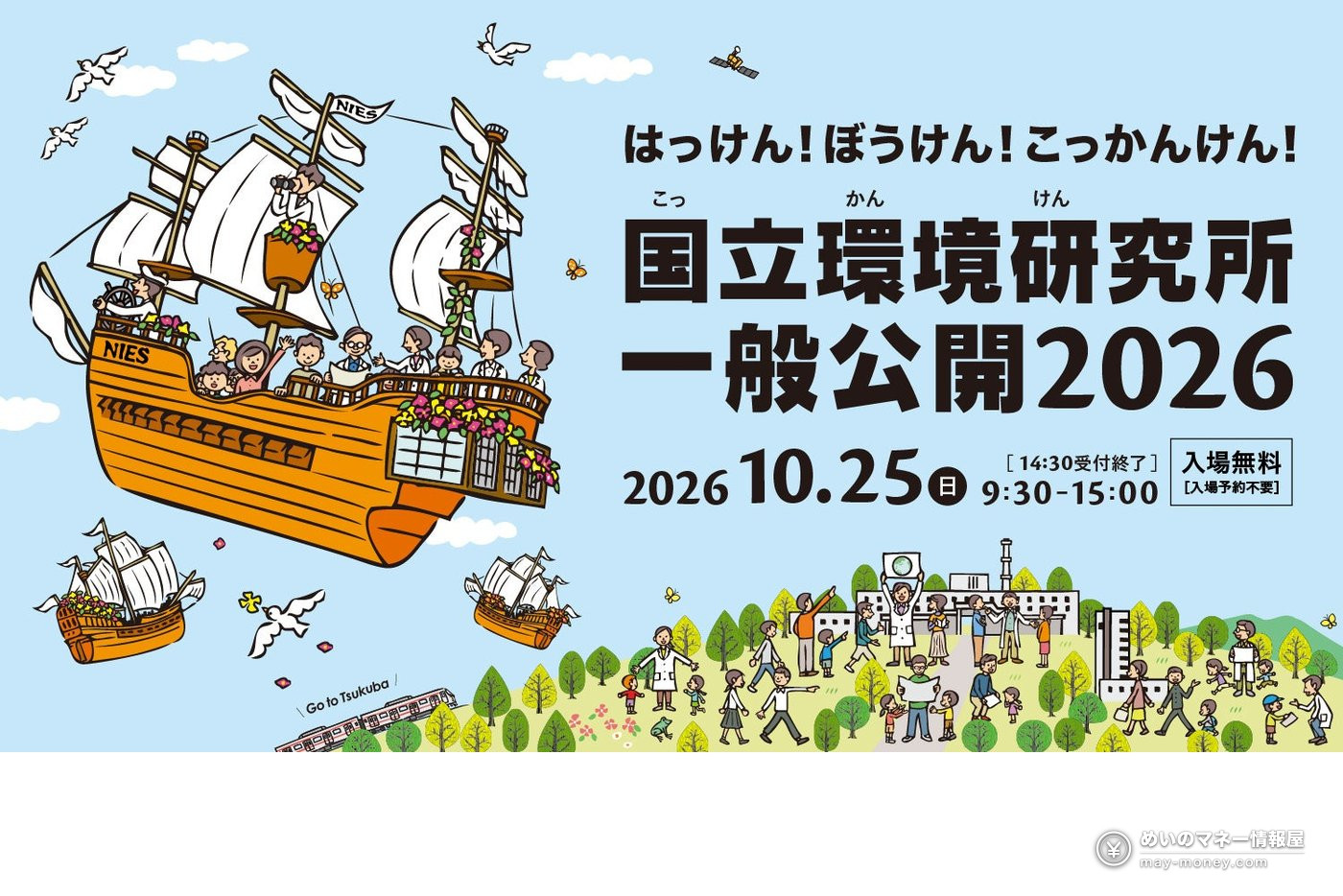
Once a year, the National Institute for Environmental Studies (国立環境研究所, known as NIES) opens its main campus in Tsukuba to anyone who wants to walk in. The 2026 edition runs on Sunday, October 25, and it is completely free. The first open house was held in 1976, so this event has been going for about 50 years.
If you have kids who like animals, bugs or experiments, or you are simply curious what a national climate and pollution research lab looks like from the inside, this is one of the better free days out in the Tsukuba area this autumn. Below is what is on, which sessions need a same-day ticket, and the one rule that catches people out: you cannot drive onto the campus.
- Key facts at a glance
- Getting there: no cars on campus
- What makes this open house worth the trip
- Sessions that need a same-day ticket
- Researcher talks: Amazing Bio News 2026
- Drop-in programs you can join any time
- Biodiversity talk show at 12:00
- Free goodies: eco bag and sticker
- Tips for planning your day
- FAQ
- Official links
Key facts at a glance
| Event | NIES Open House 2026 (国立環境研究所一般公開2026) |
|---|---|
| Theme | Discover! Explore! Kokkanken! (はっけん!ぼうけん!こっかんけん!). Kokkanken is the institute’s Japanese nickname. |
| Date | Sunday, October 25, 2026 |
| Hours | 9:30 to 15:00 (last entry 14:30) |
| Venue | NIES Tsukuba main campus, 16-2 Onogawa, Tsukuba, Ibaraki |
| Admission | Free |
| Reservation | Not required |
| Access | No car entry. Use the free shuttle bus or public transport. |
| Contact | [email protected] |
Getting there: no cars on campus
This is the detail most worth knowing before you set off. Private cars cannot enter the campus on the day. The institute asks visitors to come by the free shuttle bus or by public transport instead.
What makes this open house worth the trip
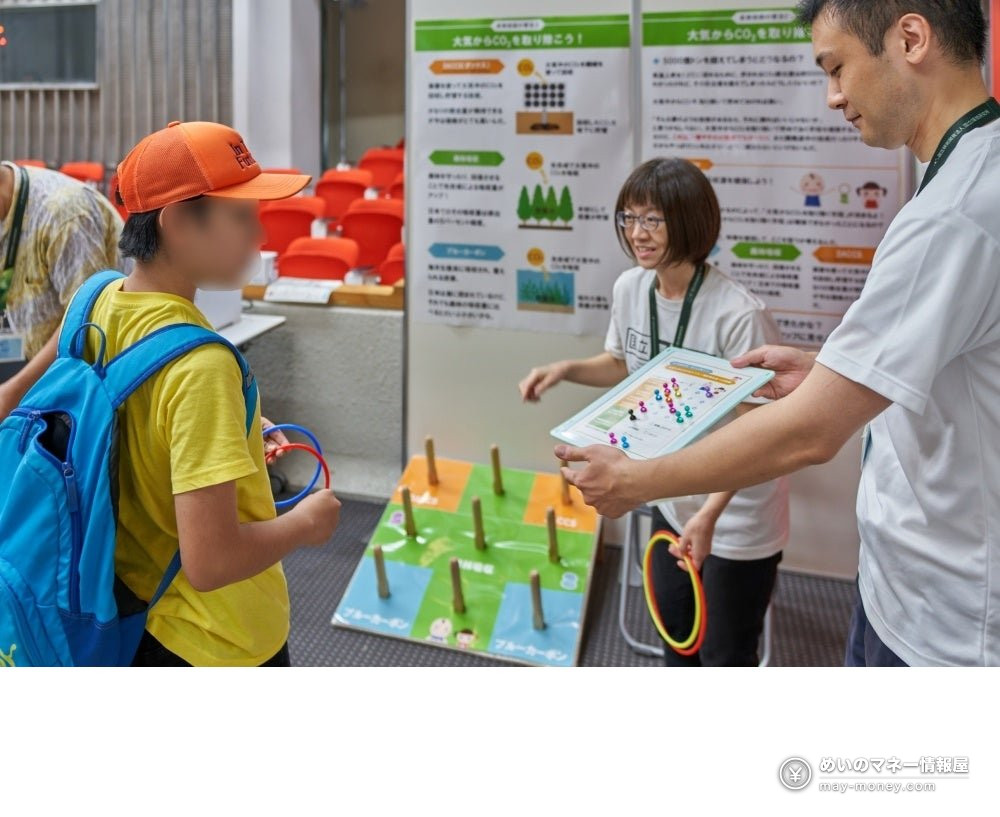
NIES researches climate change, waste, air pollution and biodiversity. On open house day, a lot of the real equipment comes out, and some areas that are normally off-limits are opened up. The highlights the institute is pushing this year:
- Greenhouse gas measurement using instruments that are actually mounted on aircraft.
- A PM2.5 program for kids, where children measure the fine particles that cause air pollution.
- The photochemical smog chamber, a large facility where PM2.5 formation experiments are carried out.
- The computer system behind environmental research, shown to small groups (see the ticketed sessions below).
- A biodiversity talk show with two popular YouTubers and an NIES researcher.
Times for the greenhouse gas and PM2.5 programs are not in the press release, so look them up on the special site.
Sessions that need a same-day ticket
Three programs are capped at very small groups and hand out numbered tickets on the day. With 10 or 15 places per session, these are the ones to prioritize if they matter to you.
| Program | Start times | Length / capacity |
|---|---|---|
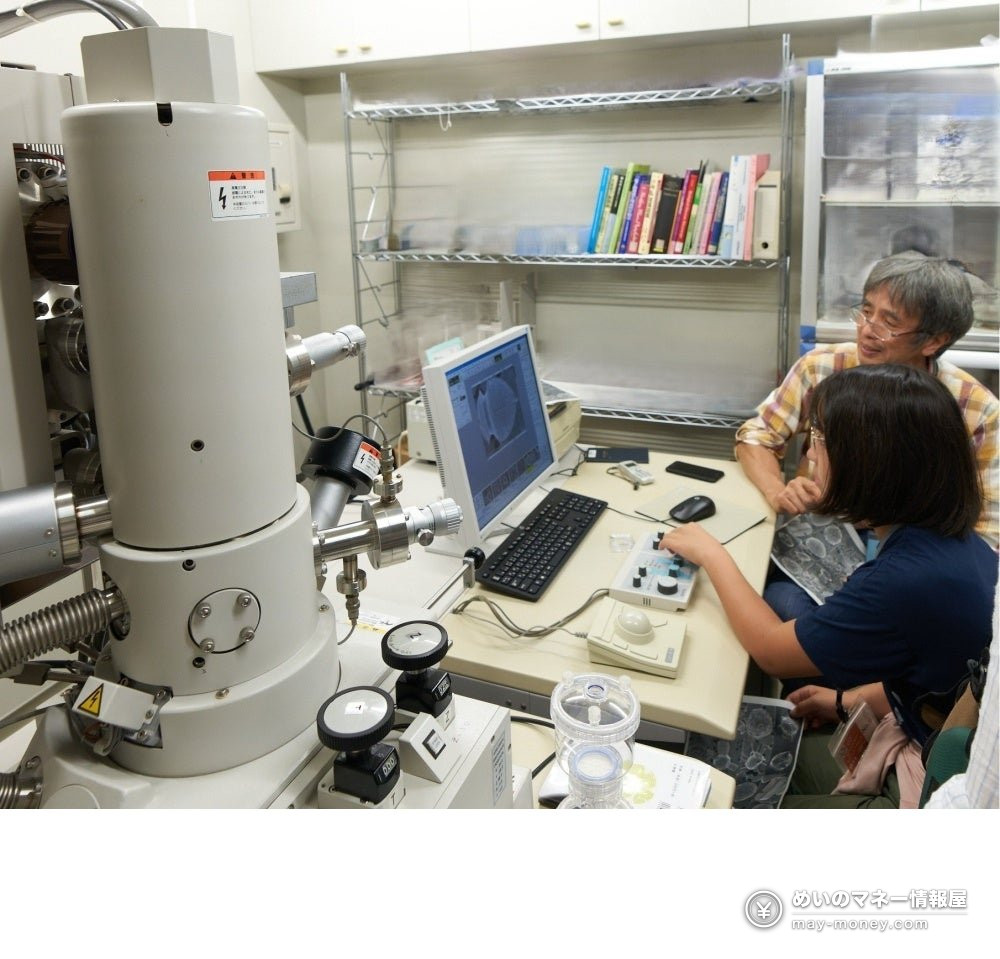
| Look at algae under an electron microscope (電子顕微鏡で藻類をみてみよう) | 10:30 / 11:30 / 13:00 / 14:00 | 30 min each, 10 people per session |
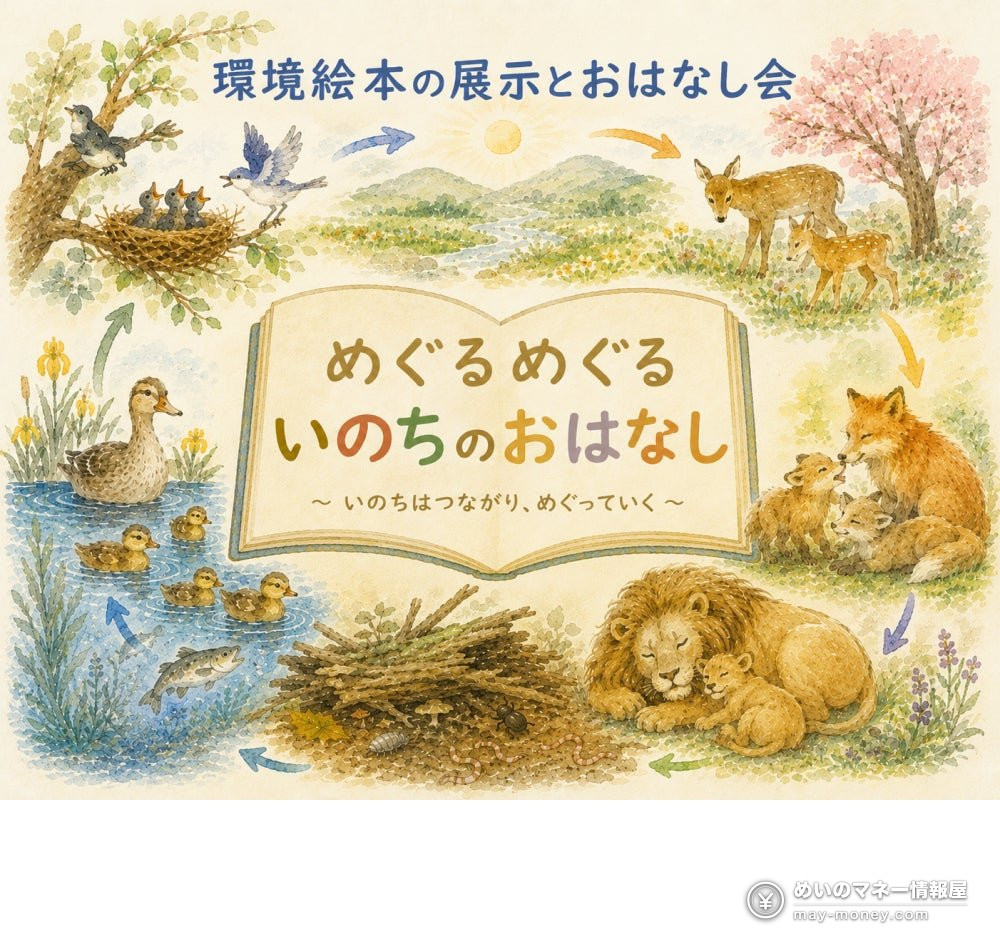
| Story time: The Circle of Life (めぐるめぐる いのちのおはなし), read by a certified picture book specialist | 11:00 / 13:00 | 20 min each, 10 people per session |
| See the computer system that supports environmental research (環境研究を支えるコンピュータシステムを見てみよう!) | 10:15 / 14:00 | 30 min each, 15 people per session |
The electron microscope session uses a real instrument to look at the microscopic world of algae. The computer system tour takes you behind the scenes to an area that visitors normally cannot enter.
The story time is part of a picture book corner themed on the environment. The book display itself is open all day from 9:30 to 15:00, so you can browse even without a ticket.
Researcher talks: Amazing Bio News 2026
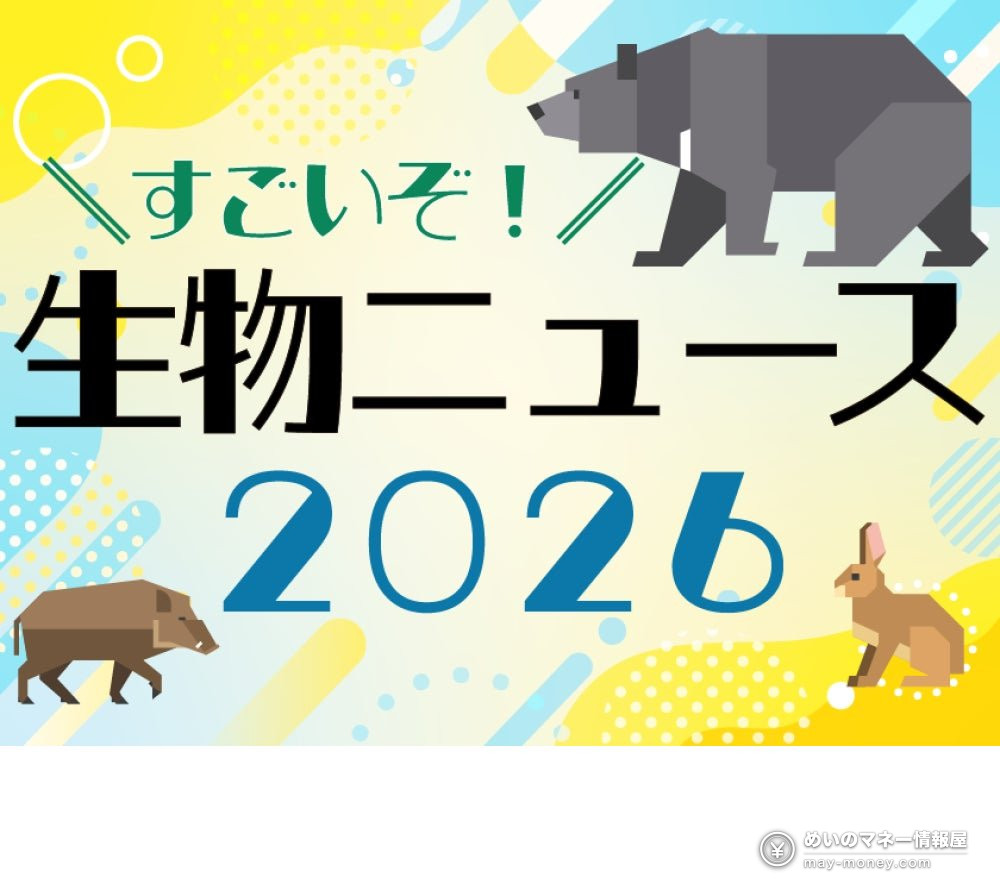
A series of short talks where NIES researchers pick recent findings and news stories and dig a bit deeper. The Japanese title is \研究者が語る/すごいぞ!生物ニュース2026. Bears feature twice, which feels timely.
| Time | Talk topic |
|---|---|
| 10:30 | Red or blue? Survival color management learned from cyanobacteria |
| 11:00 | Where do fish spawn? A spawning map of Lake Biwa read from DNA |
| 11:20 | Bears you did not know about: reading bear populations from their age structure |
| 13:15 | How many bears and wild boars are there? Estimating numbers with camera traps |
| 13:40 | The world’s forests and biodiversity we trample without knowing: the impact of farming and metal mining |
| 14:00 | Are Iriomote cats also vulnerable to bird flu? Probing the risk of severe illness with cells |
Drop-in programs you can join any time
These are not listed as ticketed, so you can fit them around the fixed-time sessions.
| Program | Time | What it is |
|---|---|---|
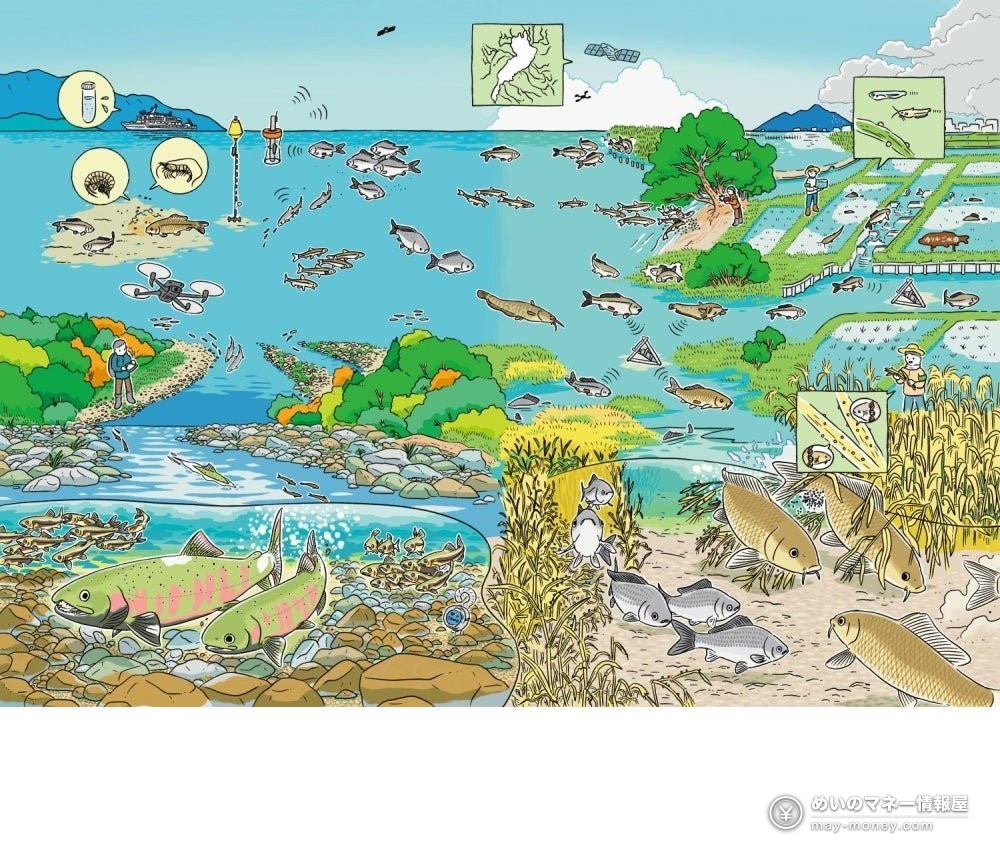
| Studying Lake Biwa’s wildlife and environment (琵琶湖の生きものと環境を調べる) | 9:30 to 15:00 | Research aimed at conserving and restoring Lake Biwa |
| The Future Is Yours to Decide: Toward a Decarbonized Society (未来を決めるのはキミだ!~脱炭素社会への挑戦~) | 9:30 to 15:00 | An immersive visual experience |
| Giant maze × GOSAT quiz and paper craft (巨大迷路×GOSATクイズ&ペーパークラフト) | 10:00 to 15:00 | A maze and crafts about the secrets of Earth seen from space |
| Explore the future with ClimoCast (ClimoCastで未来たんけん!) | 9:30 to 15:00 | Simulate how hot it could get in the year 2100 |
| The mysterious world seen in infrared (赤外線で見る不思議な世界 ~二酸化炭素の温室効果と身近な熱のひみつ~) | 10:30 / 11:30 / 13:00 / 14:00 | Observe the invisible greenhouse effect of CO2 and everyday heat |
Biodiversity talk show at 12:00
New this year is a talk show titled Let’s Think About Biodiversity With YouTubers (YouTuberと一緒に考えよう!生物多様性トークショー), starting at 12:00. Three speakers take the stage to talk about biodiversity and wider environmental issues:
| Speaker | Who they are |
|---|---|
| Mashi (マーシー) | YouTuber focused on living creatures |
| WoW Kitsunezaru (WoWキツネザル) | Environmental entertainer |
| Koichi Goka (五箇公一) | Researcher at NIES |
The press release does not give an end time or say whether seats are limited, so check the special site if you plan your day around it.
Free goodies: eco bag and sticker
On top of free entry, you can pick up NIES-exclusive limited-edition goods by joining the stamp rally that runs across the whole venue or by answering the visitor survey.
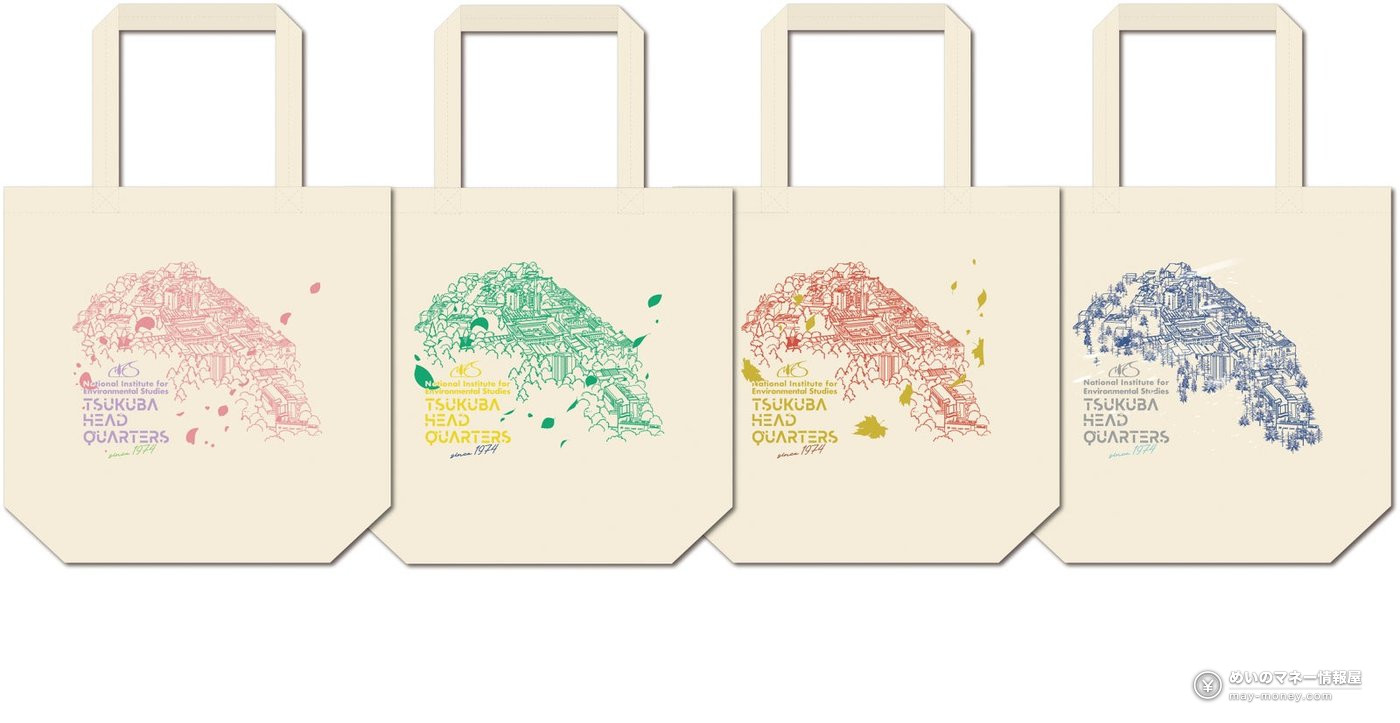
- 4 Seasons NIES eco bag: designed around the institute’s rich natural surroundings. One per person, and it ends when stocks run out.
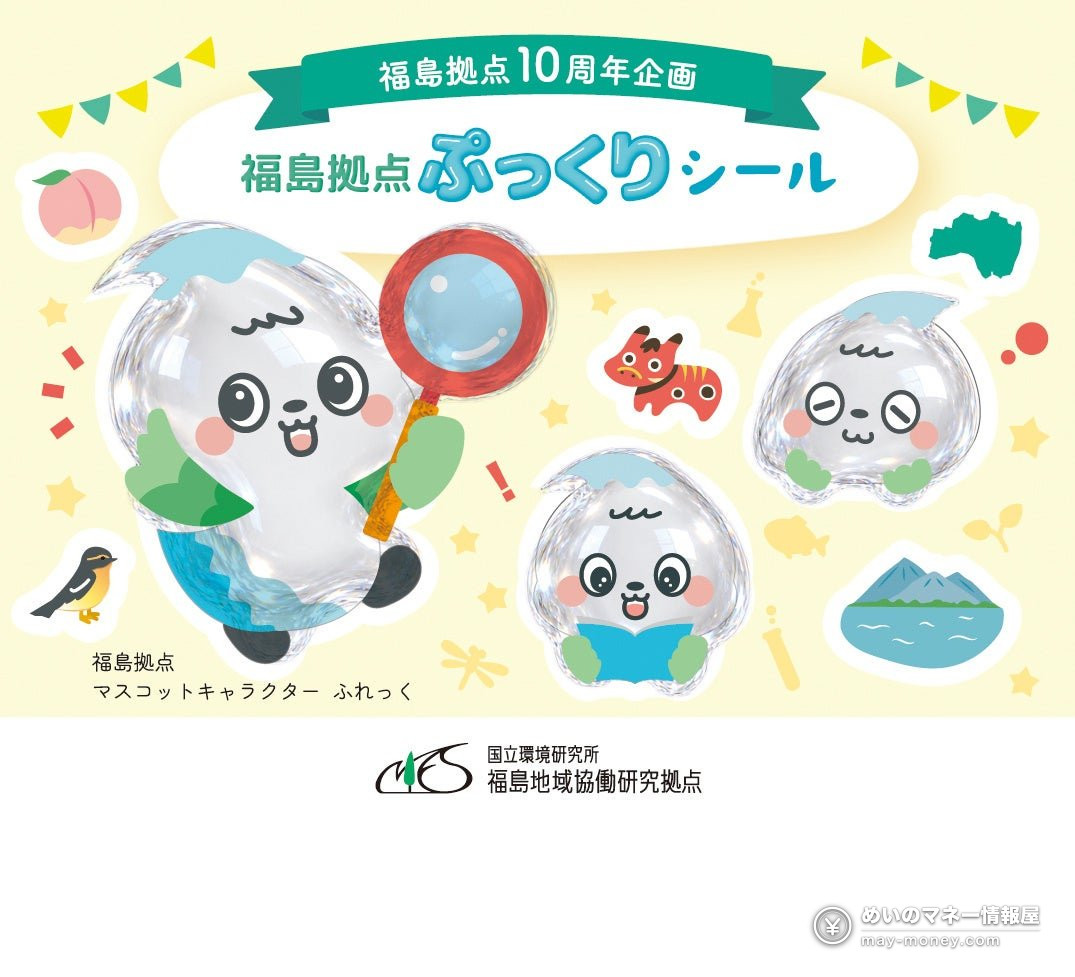
- Original puffy sticker (オリジナルぷっくりシール): made to mark the 10th anniversary of the NIES Fukushima branch. One per person.
Tips for planning your day
- Decide on ticketed sessions first. With only 10 to 15 places each, the electron microscope, story time and computer tour are the likeliest to fill. Check on the special site where and when tickets are handed out.
- Anchor your day around 12:00 if you want to see the talk show, and fit the Bio News talks and drop-in programs around it.
- Remember the 14:30 cutoff. Entry closes 30 minutes before the event ends.
- Sort out transport before Sunday. No car entry means you need to know the shuttle bus stop or your public transport route in advance.
- Pick up the stamp rally early. It takes you around the whole venue, and the eco bag is only while supplies last.
Looking for more free autumn outings? The Shibaura Canal Festival with its free canal cruises is another good pick for families. If you are planning longer rail day trips this season, our guide to the Aki no Norihodai Pass for three days of JR local trains is worth a look, and for a cheap soak after a busy day out, see the ¥300 Tokyo sento coupon. Families who like exhibitions may also enjoy our Ghibli Park exhibition guide.
FAQ
- Is the NIES Open House free, and do I need to book?
- Yes. Admission is free and no advance reservation is needed. Just arrive at the Tsukuba campus between 9:30 and the last entry time of 14:30.
- Can I drive to the venue?
- No. Cars cannot enter the campus. Use the free shuttle bus or public transport, and check the official special site for shuttle details before you go.
- Which programs need a ticket?
- The electron microscope session, the picture book story time and the computer system tour hand out numbered tickets on the day. Each session is capped at 10 or 15 people.
- How do I get the free eco bag and sticker?
- Join the stamp rally that runs across the venue or answer the visitor survey. The 4 Seasons NIES eco bag is one per person while stocks last, and the puffy sticker is also one per person.
- Is it suitable for children?
- Yes. There are programs aimed at kids, such as measuring PM2.5, a giant maze with a GOSAT quiz and paper craft, and a picture book corner, while adults can join facility tours and researcher talks.
Official links
- NIES Open House 2026 special site (full program list, shuttle and ticket details)
- NIES press announcement for the 2026 open house
- National Institute for Environmental Studies official website
- NIES official X account for last-minute updates
- Past event write-ups (Japanese): 2025 program preview part 1, part 2, 2024 open house report
Information is based on the institute’s announcement as of September 28, 2026. Programs and times may change, so check the special site before you go. Questions can be sent to [email protected].