Tsukuba’s Chinese food festival (つくば中華フェス) is back for a third year on the weekend of October 24–25, 2026. This year’s theme is regional cooking from across China: kiln-roasted Peking duck from Beijing, xiaolongbao from Shanghai, numbing-hot mala tang from Sichuan and a slow-simmered lamb soup from Xi’an. Between bites you can catch lion dancing, face-changing and Peking opera on stage. New this year, you can also try some of the moves yourself.
Entry is free and there’s nothing to register for. You only pay for the food and drinks you buy.
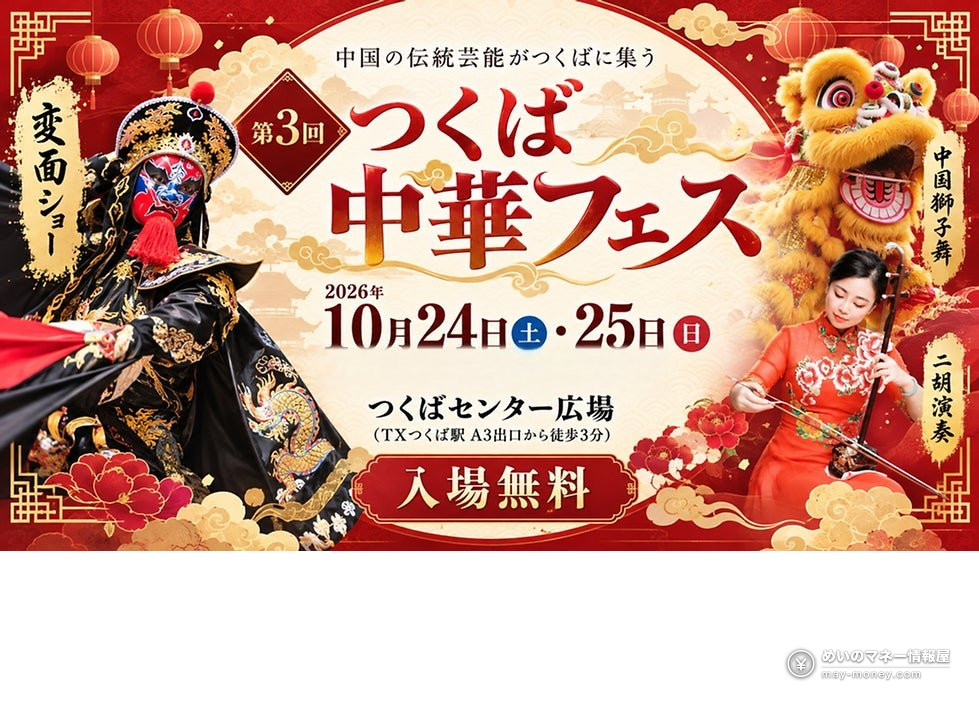
Festival at a glance
The festival started in 2024, and 2026 is its third edition. It takes over the plaza in front of Tsukuba Station (つくばセンター広場) for two full days.
| Event | 3rd Tsukuba Chinese Food Festival 2026 (第3回つくば中華フェス2026) |
|---|---|
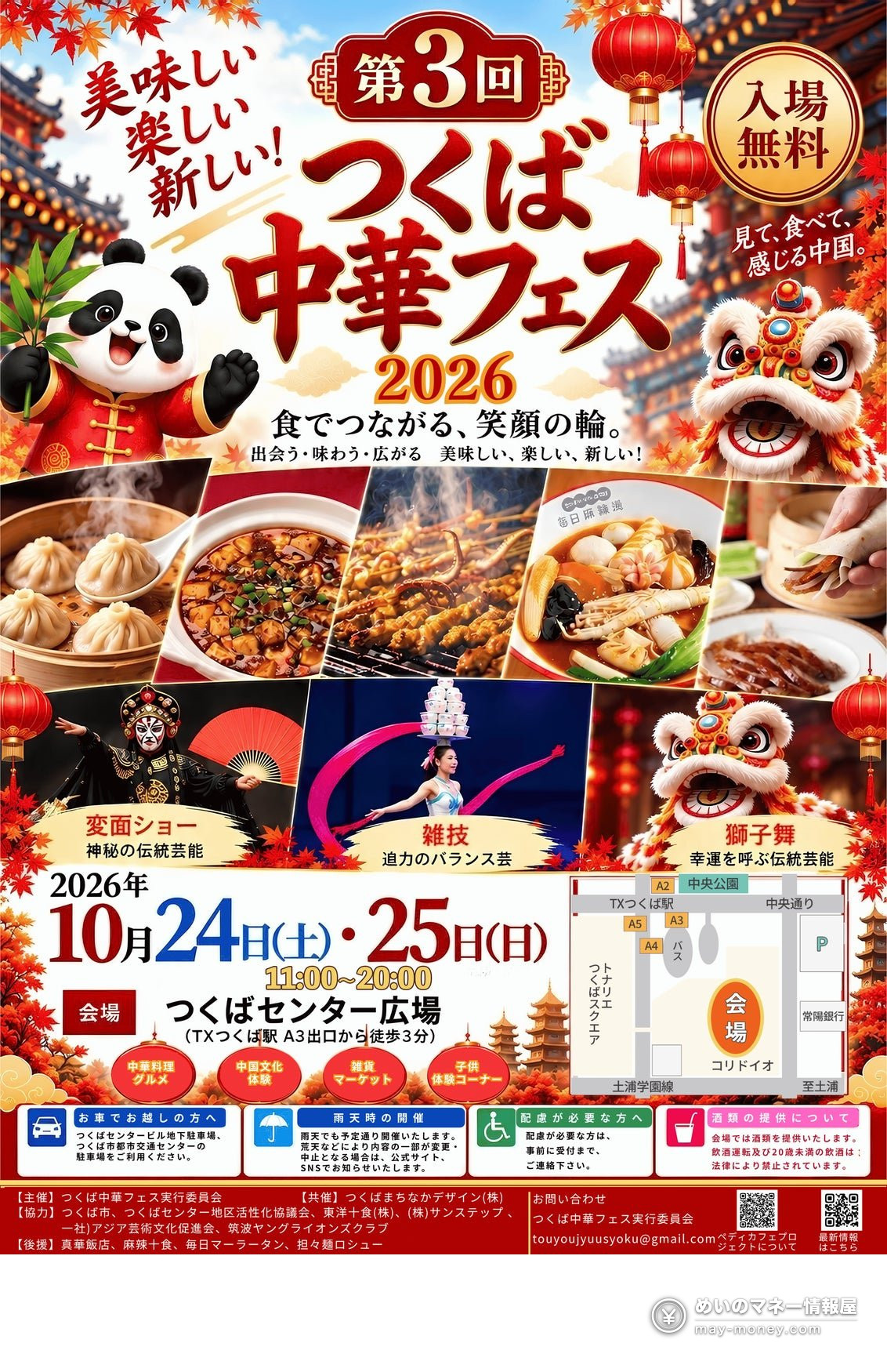
| Dates | Saturday, October 24 and Sunday, October 25, 2026 |
| Hours | 11:00–20:00 (both days) |
| Venue | Tsukuba Center Square |
| Address | 1-10-1 Azuma, Tsukuba, Ibaraki (茨城県つくば市吾妻1丁目10-1) |
| Access | About 3 minutes on foot from Exit A3 of Tsukuba Station (Tsukuba Express) |
| Admission | Free (food and drinks are paid separately) |
| Registration | Not required |
| Weather | Rain or shine. Parts of the program may change or be canceled in bad weather. |
| Organizer | Tsukuba Chinese Food Festival Executive Committee (つくば中華フェス実行委員会) |
| Co-organizer | Tsukuba Machinaka Design Co., Ltd. (つくばまちなかデザイン) |
| In cooperation with | Tsukuba City, つくばセンター地区活性化協議会, 東洋十食, サンステップ, アジア芸術文化促進会, 筑波ヤングライオンズクラブ |
| Supported by | 真華飯店, 麻辣十食, 毎日マーラータン, 担々麺ロシュー, 茨城ライフ |
| Latest updates | Official X account |
What to eat: dishes from four regions
China is huge, and the food changes a lot from one region to the next. The idea this year is to let you eat your way across the country without leaving Tsukuba. Here’s what the organizer has announced so far.
| Region | Dish | What to expect |
|---|---|---|
| Beijing | Kiln-roasted Peking duck | Slow-roasted in a kiln for crisp, fragrant skin, served festival-style |
| Shanghai | Xiaolongbao | Thin wrappers around a meat filling and piping-hot soup |
| Sichuan | Mala tang | Ma (numbing Sichuan pepper) plus la (chili heat) in a layered spicy broth with lots of toppings |
| Sichuan | Mapo tofu | Announced, no details yet |
| Xi’an | Lamb soup | Long-simmered lamb with deep, savory flavor; a regional dish that’s still rare in Japan |
The organizer says there’ll be other regional dishes too, from fiery to gentle. Photos released for the event also show lamb skewers over charcoal. Food prices weren’t included in the announcement.
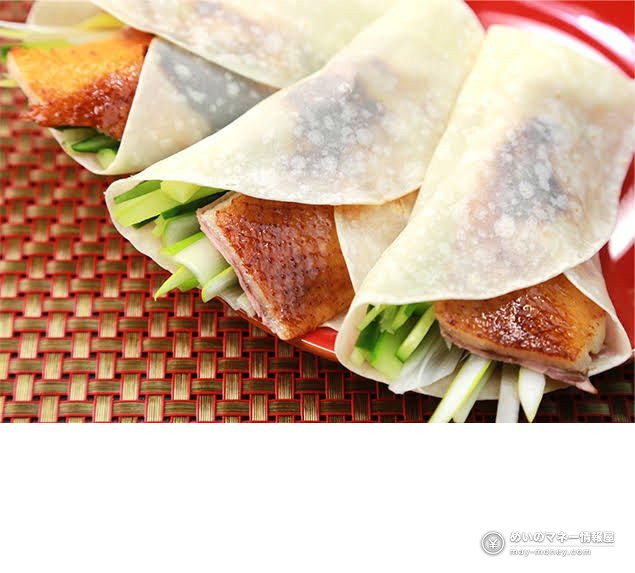
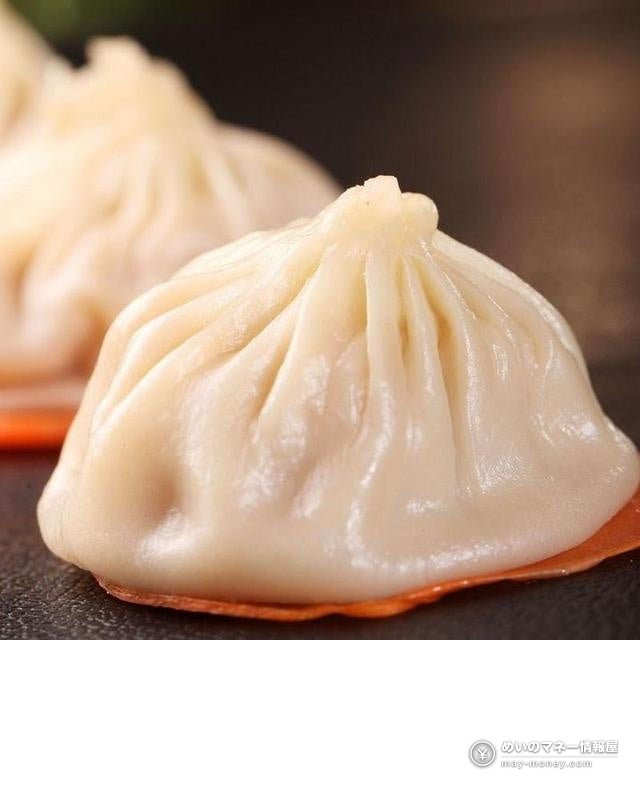
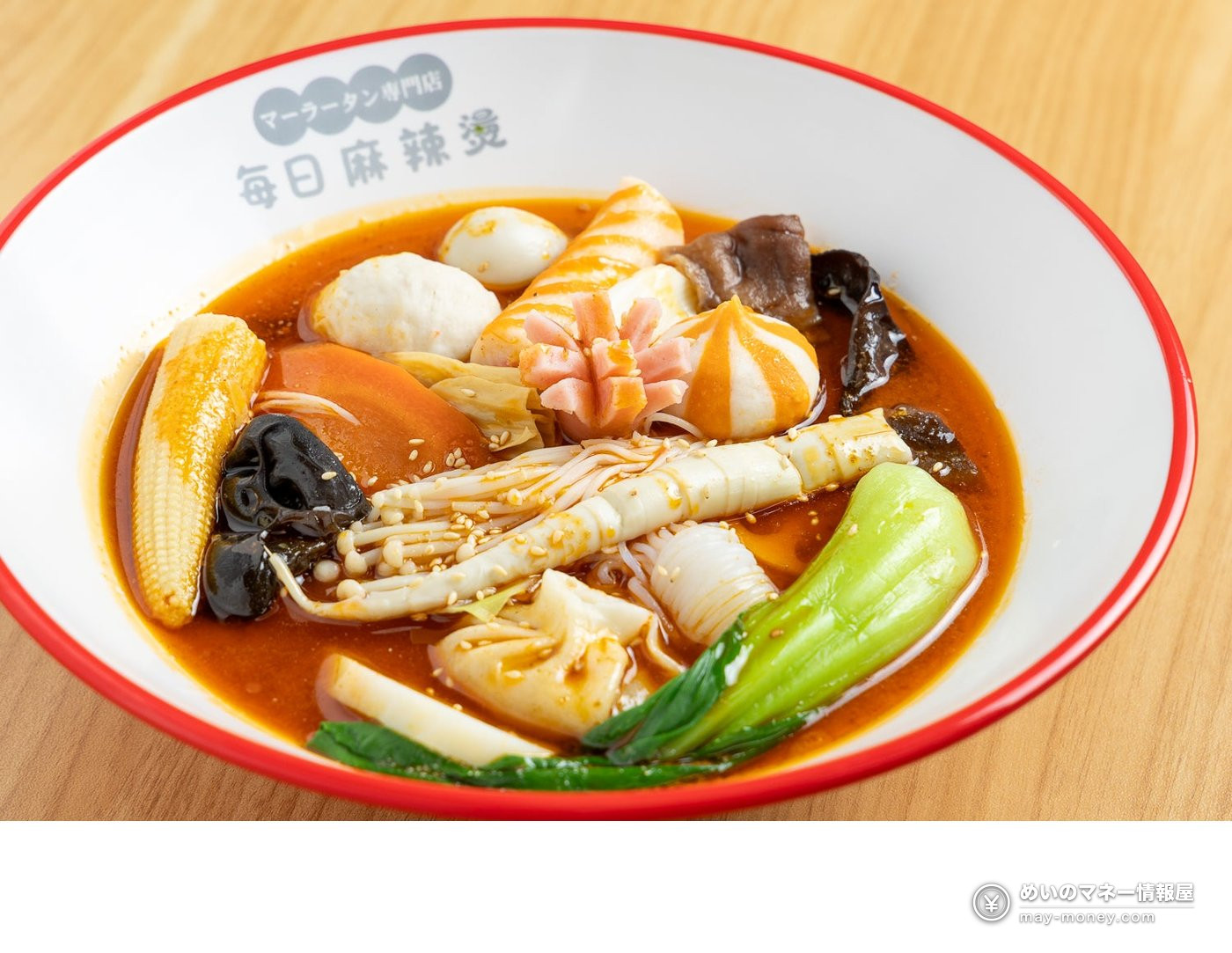
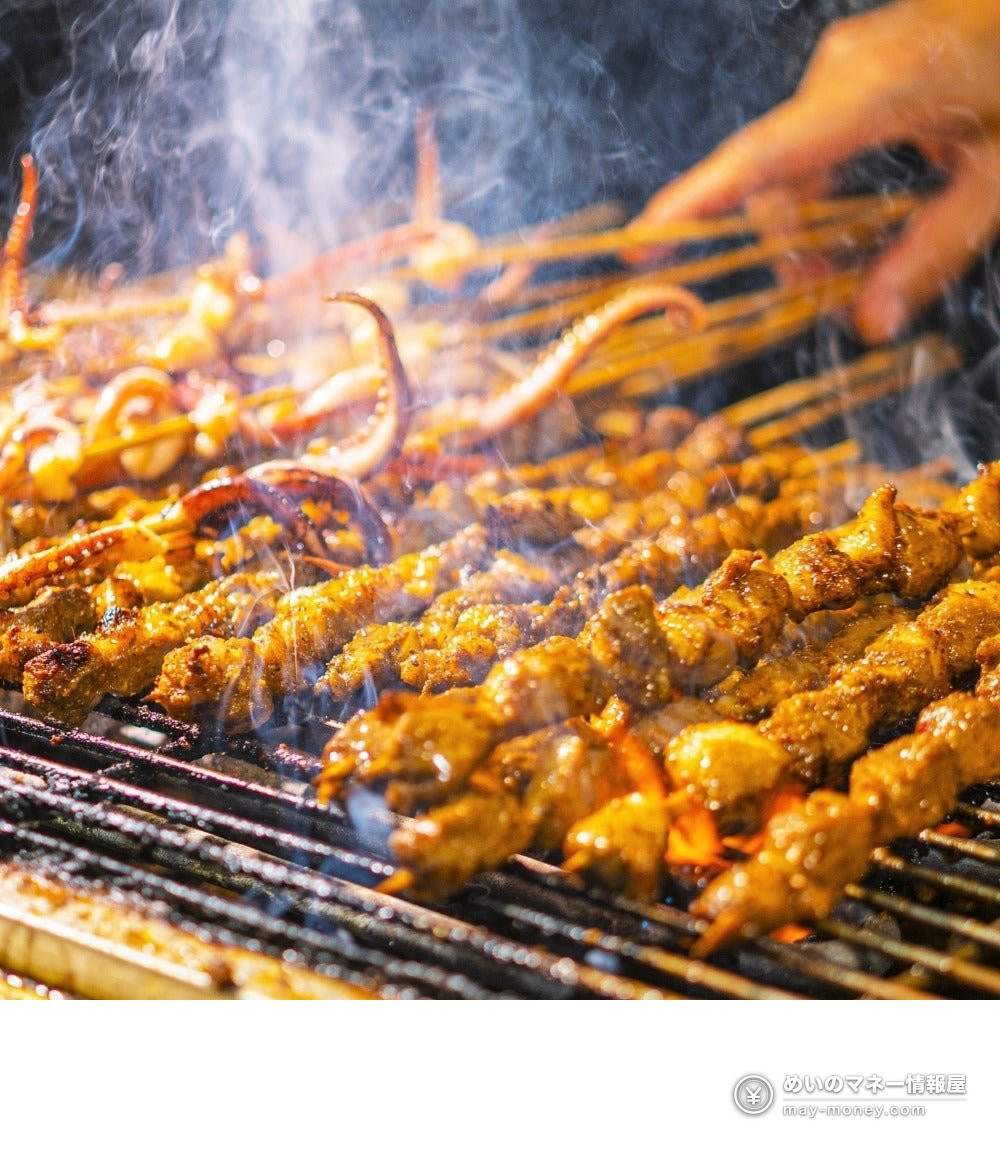
In their message for this year, the organizers say they want visitors to see that Chinese cooking is much more than mapo tofu and gyoza. That’s why the menu leans on dishes you don’t often find in Japan.
Stage shows and who’s performing
The stage program is bigger than in past years, with more acts and more performers. Here’s the announced lineup.
| Act | Performed by | Notes |
|---|---|---|
| Chinese lion dance | Asia Art and Culture Promotion Association (一般社団法人アジア芸術文化促進会) | A bright, high-energy traditional dance |
| Face-changing show | China Face-Changing Art Center (中国変面芸術センター) | Sichuan art where masks switch in a flash |
| Peking opera: Sun Wukong | Kong Dewei (孔得偉) and Liu Dongfeng (劉東風) | The Monkey King story, with classic acting and acrobatic movement |
| Chinese acrobatics: balance act | Yu Jing (于静) | Precision balancing that takes years of training |
| Pipa | Enki (エンキ) | Saturday, October 24 |
| Erhu | Zhou Mao (周昴) | Sunday, October 25 |
Stage times weren’t given in the press release, and the organizer notes that performers, programs and times may change.
New this year: hands-on time and live music
For the first time, you don’t just watch. After each lion dance, acrobatics and face-changing performance, about 10 minutes are planned for visitors to learn the classic basic movements from the performers. The organizer pitches it for kids and adults alike.
The festival is also teaming up with the music event Totteoki Ongakukai (とっておき音楽会), another first. Expect a range of music performances on site alongside the food and the traditional shows.
Getting there and tips for the day
The square is right by Tsukuba Station, about a 3-minute walk from Exit A3 on the Tsukuba Express. Parking wasn’t mentioned in the announcement.
- Pick your day by instrument. The pipa plays on Saturday and the erhu on Sunday. The rest of the lineup has no day listed.
- Stay put after a show. The hands-on sessions are planned right after the lion dance, acrobatics and face-changing acts, so it pays to watch from close by.
- Rain doesn’t cancel it. The festival runs rain or shine, though bad weather can change or cut parts of the program.
- Check how stalls take payment. Payment methods weren’t listed. If you mostly pay by card, see our guide to which credit card foreigners in Japan should get first.
- Keep your phone charged. With 9 hours of food and shows, your battery may not last. d VALUE PASS gives you free, unlimited ChargeSPOT power bank rentals.
Planning more outings this season? See our guides to the Musashino Art University festival and the Asoview campaign with up to ¥3,000 off leisure tickets.
FAQ
- Is the Tsukuba Chinese Food Festival free?
- Yes. Entry is free and no advance registration is needed. Food and drinks are paid separately.
- What are the hours?
- 11:00 to 20:00 on both Saturday, October 24 and Sunday, October 25, 2026.
- Where is it, and how do I get there?
- Tsukuba Center Square, 1-10-1 Azuma, Tsukuba, Ibaraki. It’s about a 3-minute walk from Exit A3 of Tsukuba Station on the Tsukuba Express.
- Will it go ahead if it rains?
- Yes, it runs rain or shine. In bad weather, parts of the program may change or be canceled.
- How much does the food cost?
- Prices weren’t included in the press release. Check the official X account for updates before you go.
- Can visitors try the performances?
- About 10 minutes of hands-on time is planned after each lion dance, acrobatics and face-changing performance, where you can learn the classic basic movements.