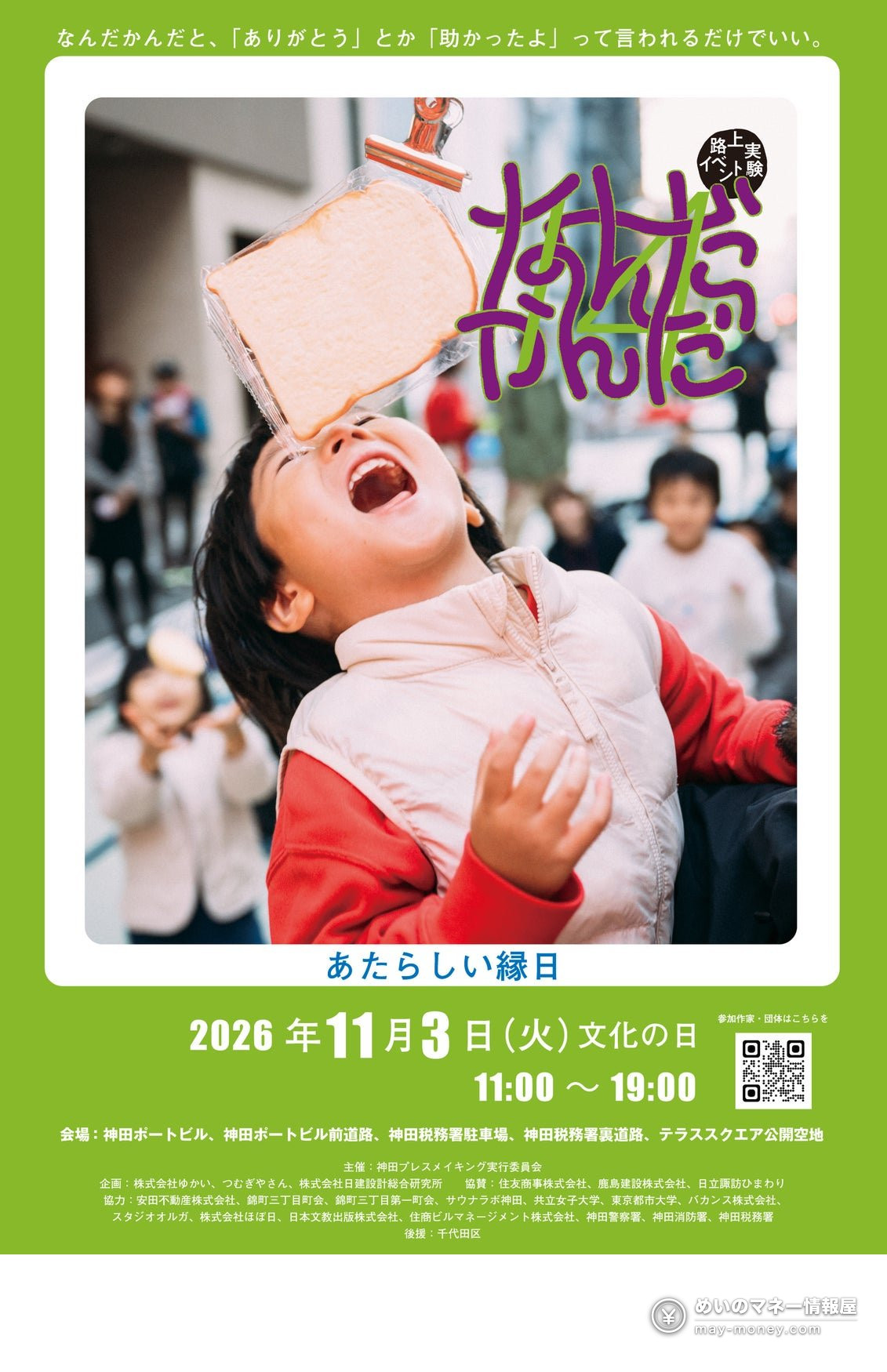
If you’re looking for something to do on the Culture Day holiday, here’s an unusual one. On Tuesday, November 3, 2026, a normally busy road in Kanda Nishikicho, Chiyoda-ku, is closed off and carpeted with 350 tatami mats. For eight hours it becomes what the organizers call a new kind of ennichi (縁日), the old word for a neighborhood festival day. Entry is free.
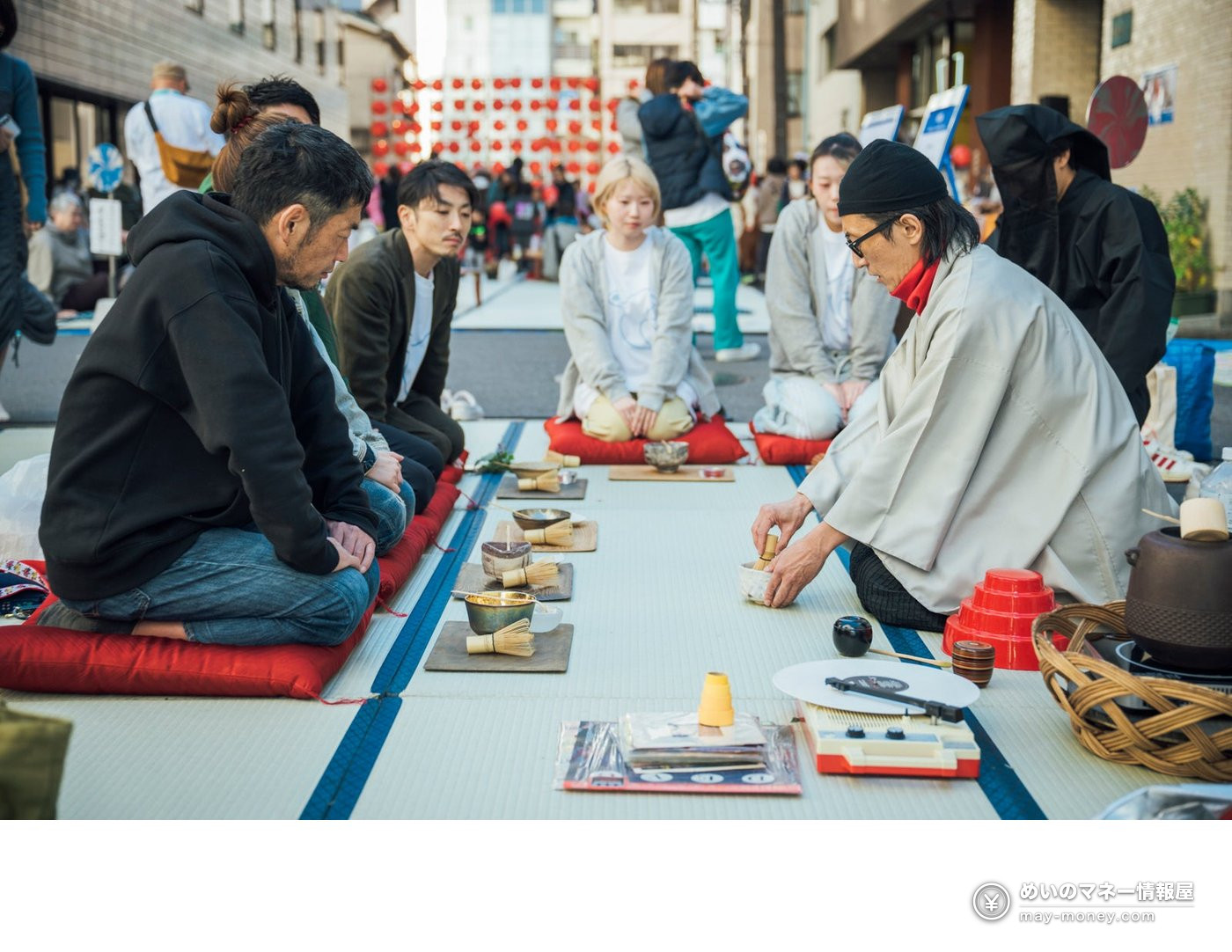
The event is Nandakanda 14 (路上実験イベント なんだかんだ14), the 14th edition of a street experiment run by a local placemaking committee. Around 40 individuals and groups from art, welfare, disaster preparedness, recovery work, music and play set up side by side on the mats. You can join a workshop, sit in on a tea ceremony, watch a Shakespeare play, or simply sit on the tatami and watch the street.
Event details at a glance
| Event | Nandakanda 14 (なんだかんだ14), 14th edition |
|---|---|
| Date | Tuesday, November 3, 2026 (Culture Day, national holiday) |
| Hours | 11:00–19:00 |
| Venue | Kanda Port Building, the road in front of it, Kanda Tax Office parking lot, the road behind Kanda Tax Office, and the Terrace Square public open space |
| Address | Kanda Nishikicho, Chiyoda-ku, Tokyo |
| Access | About 5 minutes on foot from Jimbocho Station, Exit A9 |
| Admission | Free |
| Organizer | Kanda Placemaking Executive Committee (神田プレイスメイキング実行委員会) |
| Creative direction | Masanori Ikeda (池田晶紀), photographer |
| Planning | Yukai Inc., Tsumugiyasan, Nikken Sekkei Research Institute |
| Sponsors | Sumitomo Corporation, Kajima Corporation, Hitachi Suwa Himawari |
| Supported by | Chiyoda City |
| Official site | nandakanda.jp/vol14.html |
What Nandakanda actually is
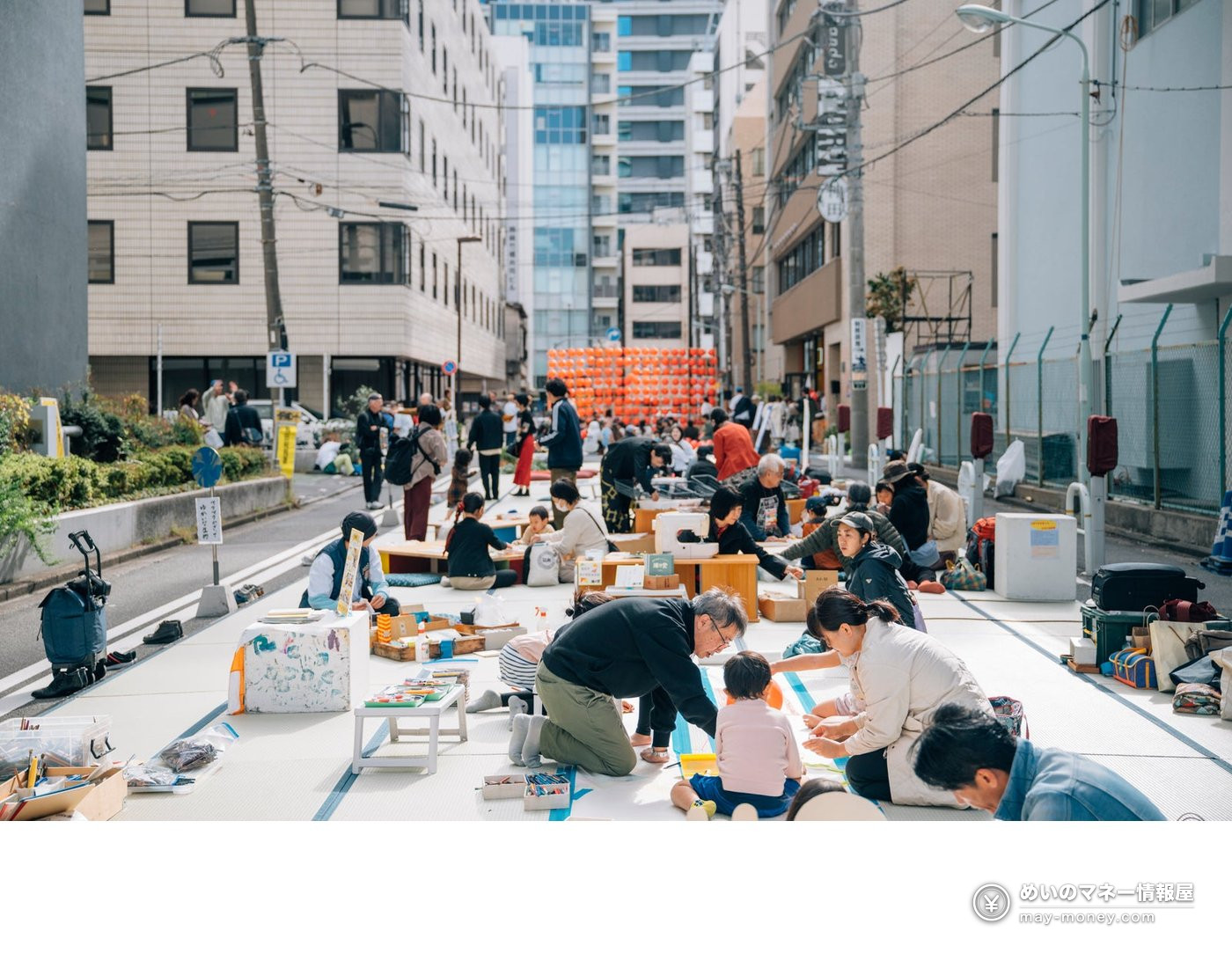
Think of it less as a festival with a main stage and more as a shared floor. The road is covered in tatami, and people who normally work in very different places, such as artists, welfare facilities, residents, companies, students and local government, each bring something they enjoy or want others to try.
This year’s theme roughly translates as: it’s enough just to hear someone say thank you or that really helped. The idea is that small exchanges like that happen more easily when strangers share the same mat.
There is also a serious side. The organizers use the day to test new ways of using roads and other public space, and this year they are adding a flea market designed to fund local activities (more on that below).
What’s on around Kanda Port Building
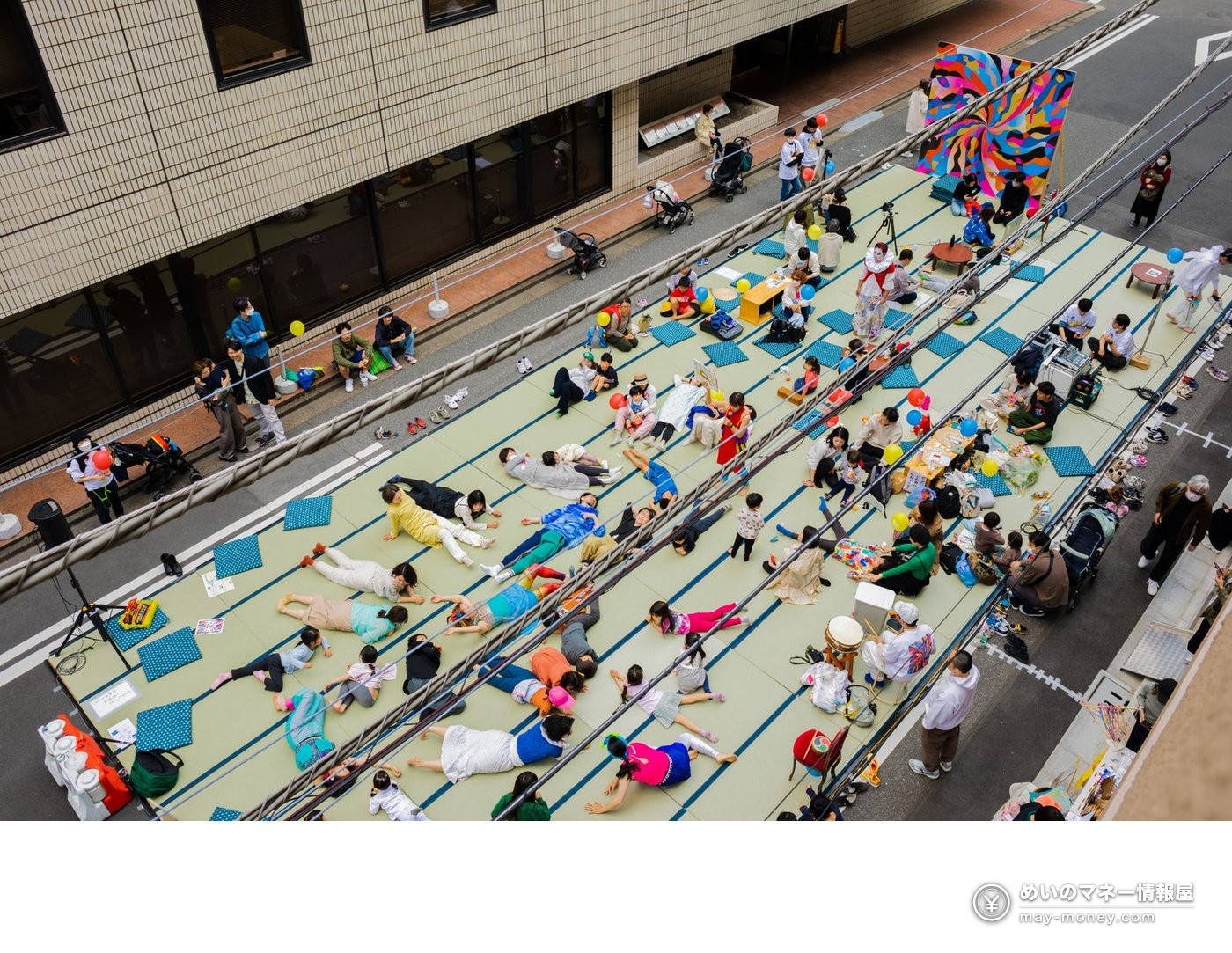
The main tatami street runs around Kanda Port Building. Programs here run one after another, and sometimes at the same time, so it’s worth wandering rather than planning a strict route.
| Program | What it is | Who |
|---|---|---|
| Dance and theater | Performances held right on the tatami | Dancers and performers |
| Tea ceremony | An open-air tea seat on the street | Participating hosts |
| Workshops | Hands-on sessions led by artists and school art teachers | Artists, art teachers |
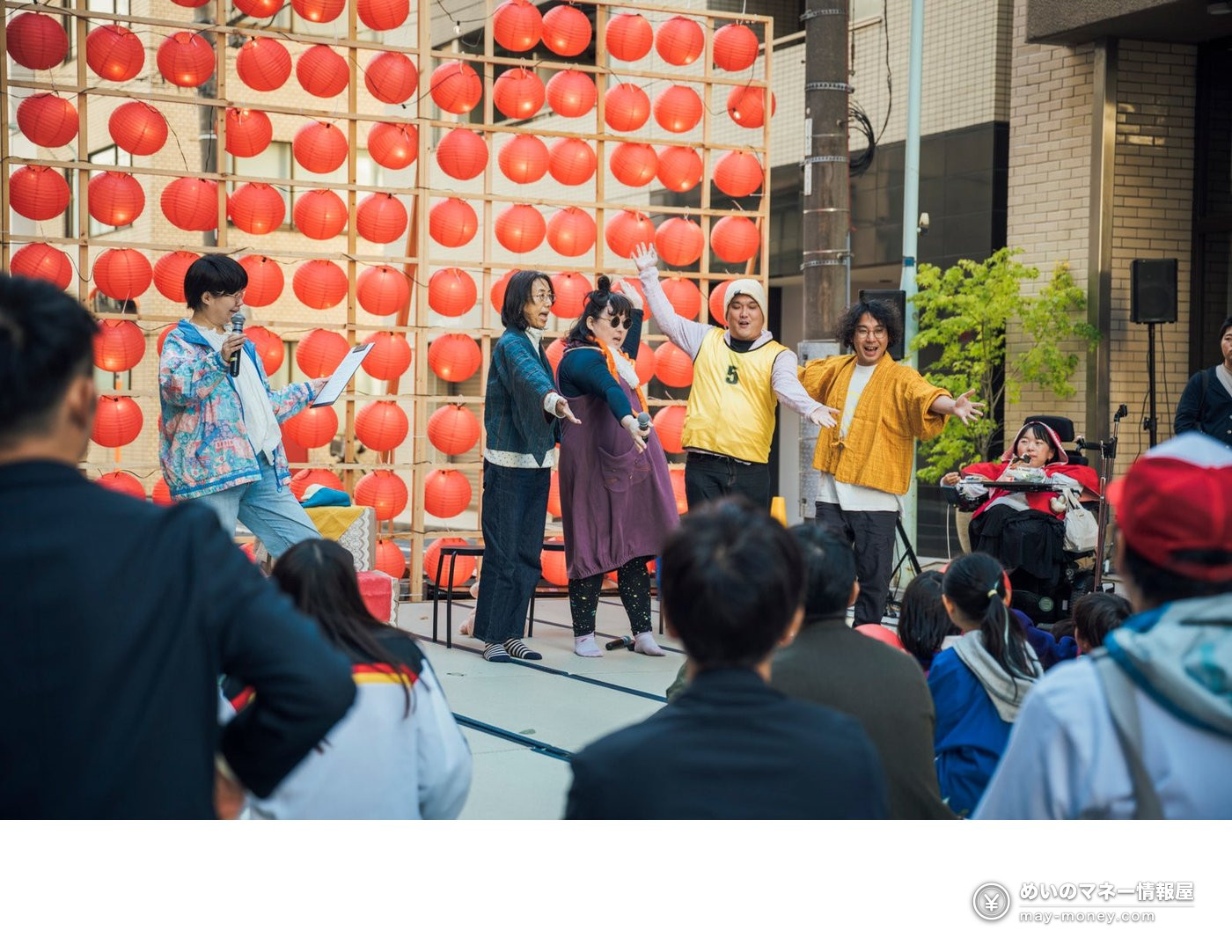
| Rap and band sets | Music from members of welfare facilities | Including BaseCamp (就労継続支援B型BaseCamp), whose members perform rap |
| Wellbeing booth and ikebana | Student-run wellbeing activities, plus flower-arranging demos | Students |
| Disaster drill | A preparedness drill run with the local fire station | Kanda Fire Station |
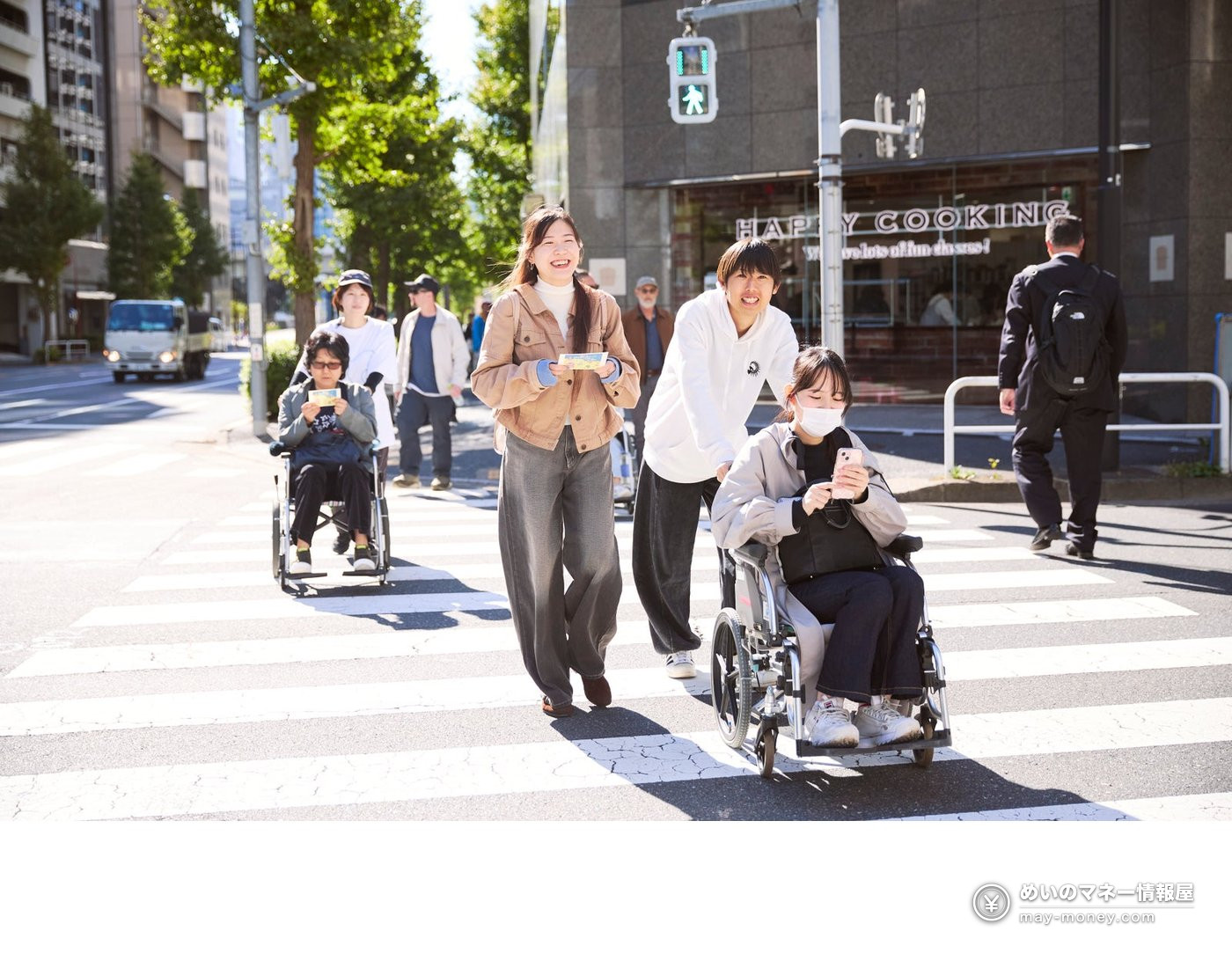
| Wheelchair experience | Kurumaisu Yume no Delivery (車いす夢のデリバリー), a wheelchair experience around Kanda, now in its 3rd year | Produced by Yumeka Sano |
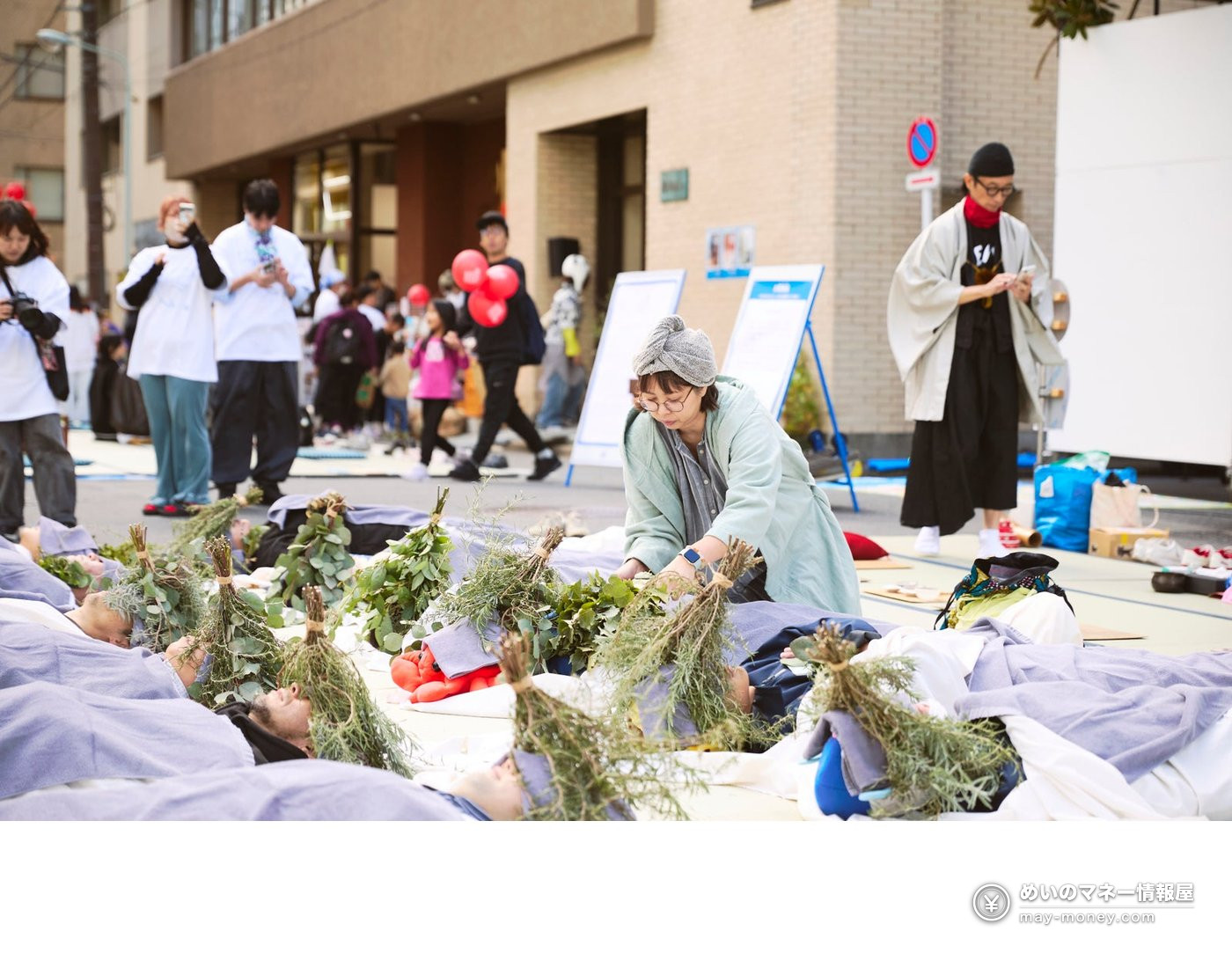
| Outdoor sauna treatment | A sauna-style steam and herb treatment, normally an indoor activity, held outdoors | Participating sauna practitioners |
| Art supply recycling | Art materials headed for disposal are cleaned and passed to new users | Megurido (巡り堂) |
| Taiko from Noto | Drum performance and a try-it session | 冨木神幸太鼓, a taiko group from the Togi area of Shika Town, Noto |
| Closing kiyari | Traditional work chants to end the day | Nishikicho 3-chome neighborhood association |
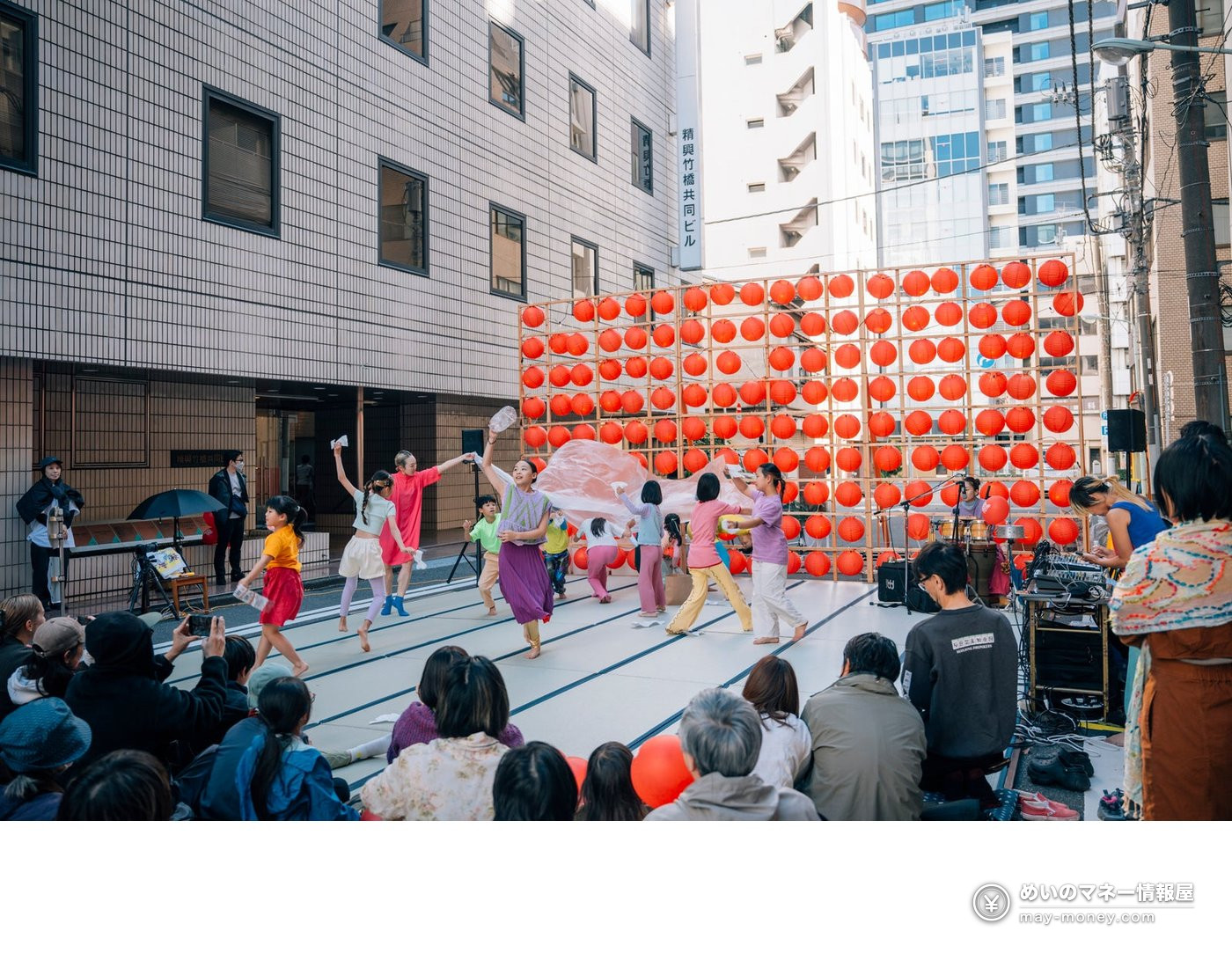
The taiko session is worth a special mention. The group comes from the Noto Peninsula, which is still recovering from the 2024 earthquake, and the organizers hope the drums help visitors feel closer to the region.
Terrace Square: the mobile everything zone
The open space at Terrace Square has its own theme: things that normally live somewhere else, rolled into town for the day. This is the most kid-friendly corner, though adults tend to stop here too.
| Attraction | What you can do |
|---|---|
| Mobile aquarium | Mobilis Aquarium (移動水族館) brings sea life to the square |
| Mobile blacksmith | A hands-on blacksmith workshop where you hammer hot iron |
| Mini locomotive | Ride a small train on portable rails |
| Kendama stall | Try the classic Japanese cup-and-ball toy |
| Mobile playground | A pop-up play space for children |
| Shakespeare | A performance by the theater company Kakushinhan (カクシンハン) |
New this year: a 3-tatami flea market
For the first time, the west side of the Terrace Square open space hosts a flea market. Each stall is a tiny shop of just three tatami mats, and vendors were recruited through an open call, so expect a mix of locals and others selling their own belongings or things they recommend.
The twist is where the stall fees go: the organizers are testing a system that returns them to public-interest activities in the neighborhood. In other words, it’s a small experiment in whether a bit of street commerce can help keep local community work going.
Who’s taking part
The lineup is a mix of individual artists, schools, welfare facilities, companies and public offices. Here are the groups named in the announcement, sorted by type. The official site lists all participants.
| Type | Participants |
|---|---|
| Theater and art projects | Kakushinhan (カクシンハン) Megurido art supply recycling (巡り堂) レ・ロマネスクTOBIs Mobilis Aquarium |
| Public offices | Kanda Police Station Kanda Fire Station Kanda Tax Office |
| Universities and schools | Kyoritsu Women’s University (Fujimoto seminar) Tokyo City University (Nakajima seminar) Seisoku Gakuen High School big band club Seisoku Gakuen High School ikebana club Student group といず |
| Welfare facilities | BaseCamp ハーモニー ひまわり |
| Local community | Nishikicho 3-chome neighborhood association Nishikicho 3-chome Daiichi neighborhood association 冨木神幸太鼓 (Noto) |
| Companies and others | Hobonichi (ほぼ日) TOBICHI Tokyo Yasuda Real Estate Yukai Inc. Laspy Sauna Lab Kanda TOTONOL Nursemen (ナースメン) Tsumugiyasan |
Individual artists and performers are also on the bill, including the creative director Masanori Ikeda. See the Nandakanda 14 official page for the full list, and the Nandakanda home page for photos from past editions.
Getting there and tips for the day
- Nearest exit: Jimbocho Station, Exit A9, then about a 5-minute walk to Kanda Nishikicho.
- Two zones: the tatami street around Kanda Port Building, and the Terrace Square open space with the mobile attractions and flea market. Plan to move between them.
- Timetable: the press release does not list start times for each act. Check the official page closer to the day if there’s a specific show, like the taiko or the Shakespeare play, you don’t want to miss.
- Costs inside: entry is free, but the announcement doesn’t say whether individual workshops or the flea market involve fees. Bring a little cash just in case.
- Stay until the end: the day closes with kiyari chants by the neighborhood association, a fitting finish for a street festival.
- Battery: eight hours of photos drains a phone fast. If you’re not a docomo customer, our guide to free, unlimited ChargeSPOT rentals with d VALUE PASS covers how to borrow power banks around town.
Looking for more free or cheap days out this season? The Musashino Art University Festival is another good pick for art lovers, and the Shibaura Canal Festival guide shows how a neighborhood event can be just as fun as a big ticketed one. For paid attractions, the Asoview discount campaign can take a chunk off the price.
FAQ
- Q. When is Nandakanda 14?
- Tuesday, November 3, 2026, the Culture Day national holiday, from 11:00 to 19:00.
- Q. Does it cost anything to get in?
- No. Admission is free.
- Q. Where exactly is it held?
- In Kanda Nishikicho, Chiyoda-ku, Tokyo: Kanda Port Building and the road in front of it, the Kanda Tax Office parking lot and the road behind it, and the Terrace Square public open space.
- Q. What’s the closest station?
- Jimbocho Station. From Exit A9 it’s about a 5-minute walk.
- Q. Is it good for kids?
- Yes. Terrace Square has a mobile aquarium, a blacksmith workshop, mini locomotive rides, a kendama stall and a playground, and children can play on the tatami street.
- Q. Can I sell things at the flea market?
- Stall holders were recruited through an open call, with each stall measuring three tatami mats. Check the official application PDF for the requirements.
Source: press release from Yukai Inc. on PR TIMES (read the release, PDF). Details may change, so please check the official site before you go.