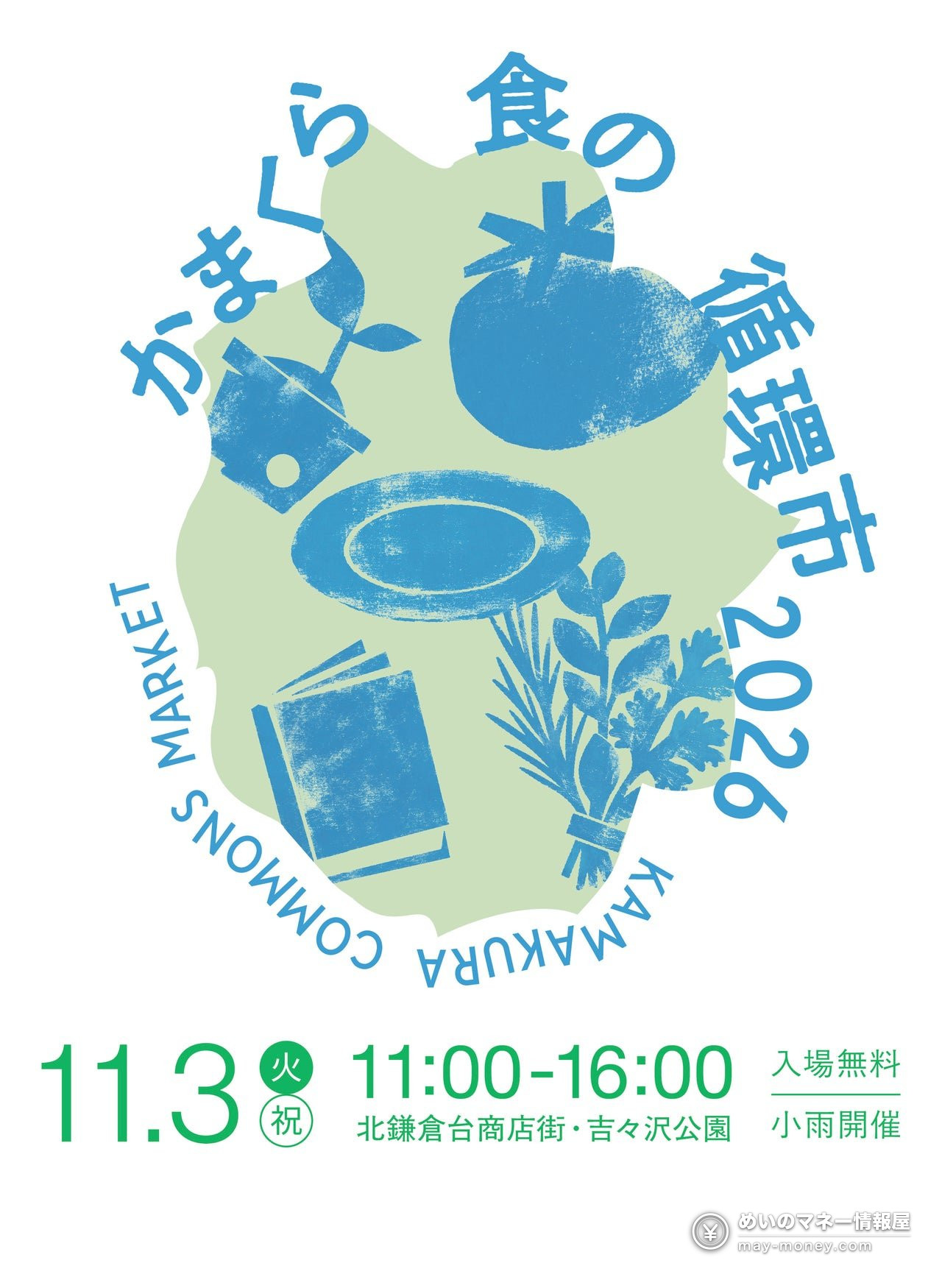
On Tuesday, 3 November 2026, a national holiday, a one-day market called Kamakura Shoku no Junkan Ichi (かまくら食の循環市) takes over Kita-Kamakura-dai Shopping Street (北鎌倉台商店街) and Yoshigasawa Park (吉ガ沢公園) in Kamakura, Kanagawa. The name roughly means a food circulation market: tableware nobody uses anymore, fruit from someone’s garden, vegetables too odd-shaped for shops and fish that never make it into regular distribution all get a second chance here.
Entry is free, the market runs 11:00–16:00, and it goes ahead in light rain. Whether you want a slow holiday lunch of charcoal-grilled fish and local vegetables or a free afternoon talk about where Japan’s food comes from, here is what is on and what to bring.
Date, time and venue
| Date | Tuesday, 3 November 2026 (national holiday) |
|---|---|
| Hours | 11:00–16:00 (held in light rain) |
| Venue | Kita-Kamakura-dai Shopping Street and Yoshigasawa Park, Kamakura, Kanagawa |
| Entry | Free |
| Organizer | Chiiki ga Tsunagaru Minna no Kyodo Hanbaijo Uneishitsu (地域がつながるみんなの協同販売所運営室), a team built around the community fish shop Sakanaya Marukama (サカナヤマルカマ) |
| Produced by | Kamakura Sakana no Kyodo Hanbaijo (一般社団法人鎌倉さかなの協同販売所), which runs Sakanaya Marukama, and Junkansha (循環社) |
| Backing | Endorsed by Kamakura City, with a grant from the Toyota Foundation |
Why a food circulation market?
The organizers see food as the most everyday way to feel connected to the place you live. What ends up on our plates is shaped by the weak yen, climate change and an unsettled world, so the organizers want residents to step back and ask what kind of local food environment they actually want.
Kamakura is a good place to try. Small-scale farming and fishing still go on here, and the city has a long record of residents organizing for their own area, including being where Japan’s National Trust movement began. The point of the market is to bring together things that are currently overlooked, from unused objects and unsold produce to local know-how and the simple urge to try something new, and see what grows from that.
This year is described as a kickoff. The team hopes other neighborhoods in Kamakura will eventually host their own editions so the market moves around the city.
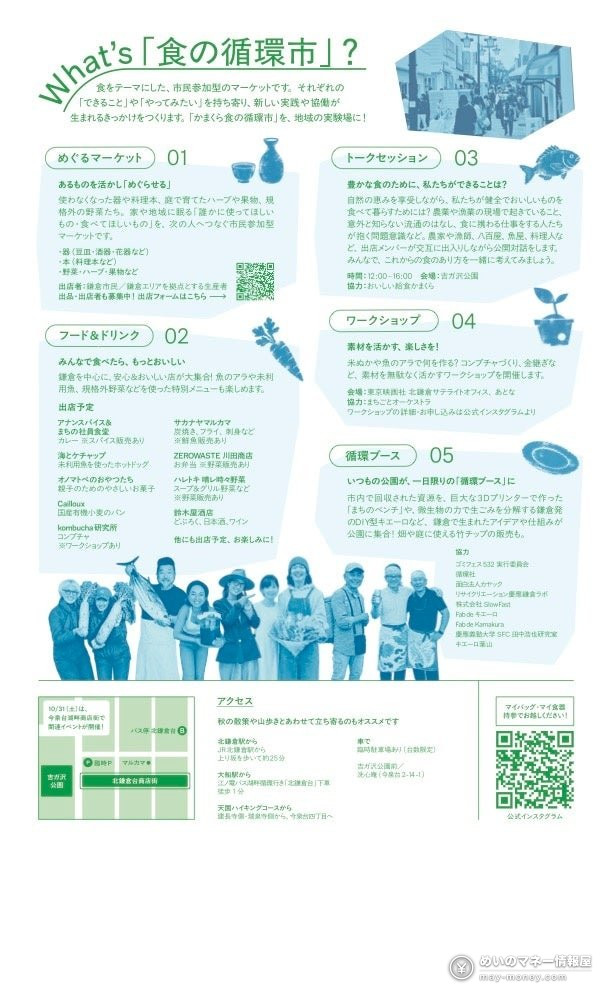
Five things happening on the day
1. The pass-it-on market
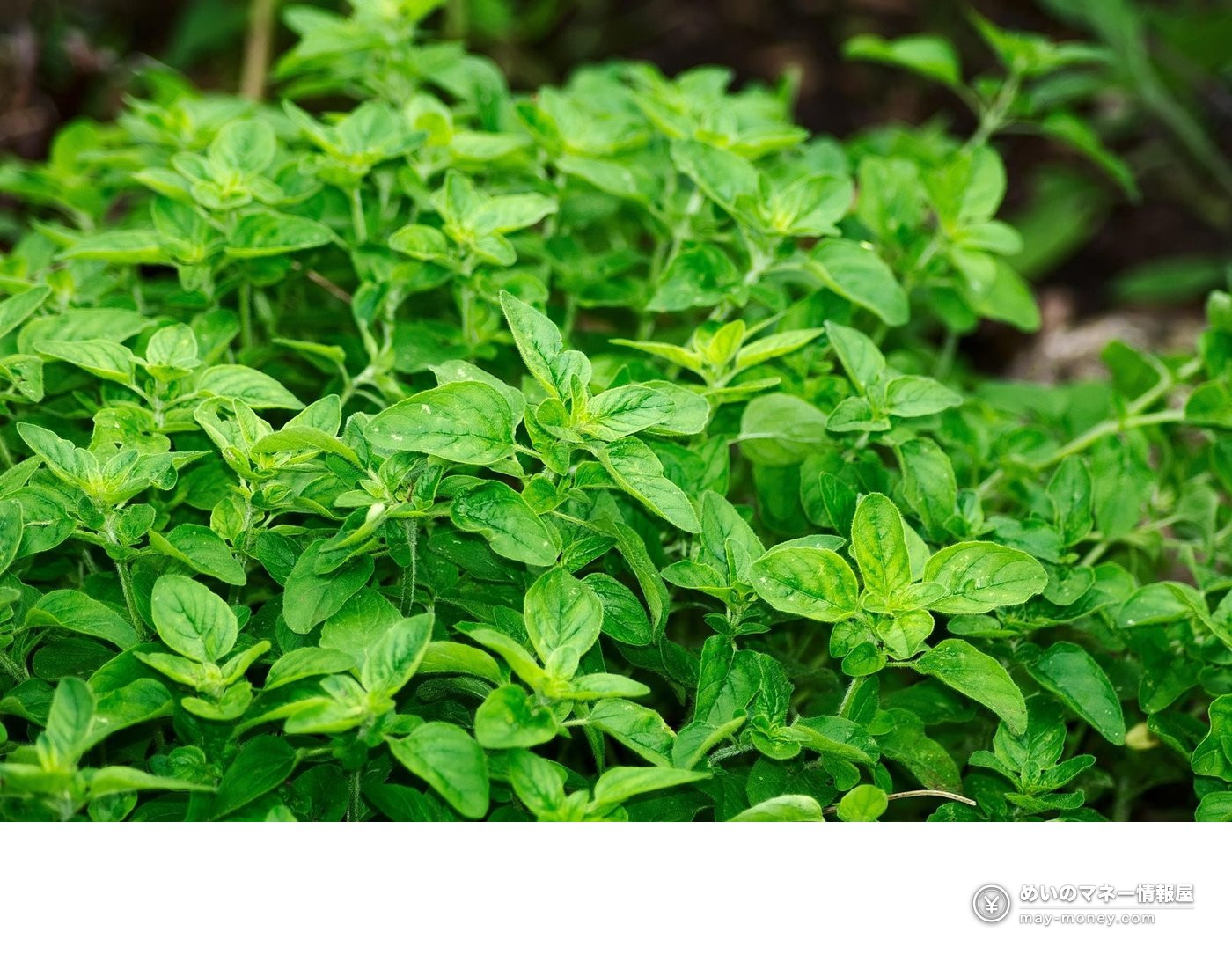
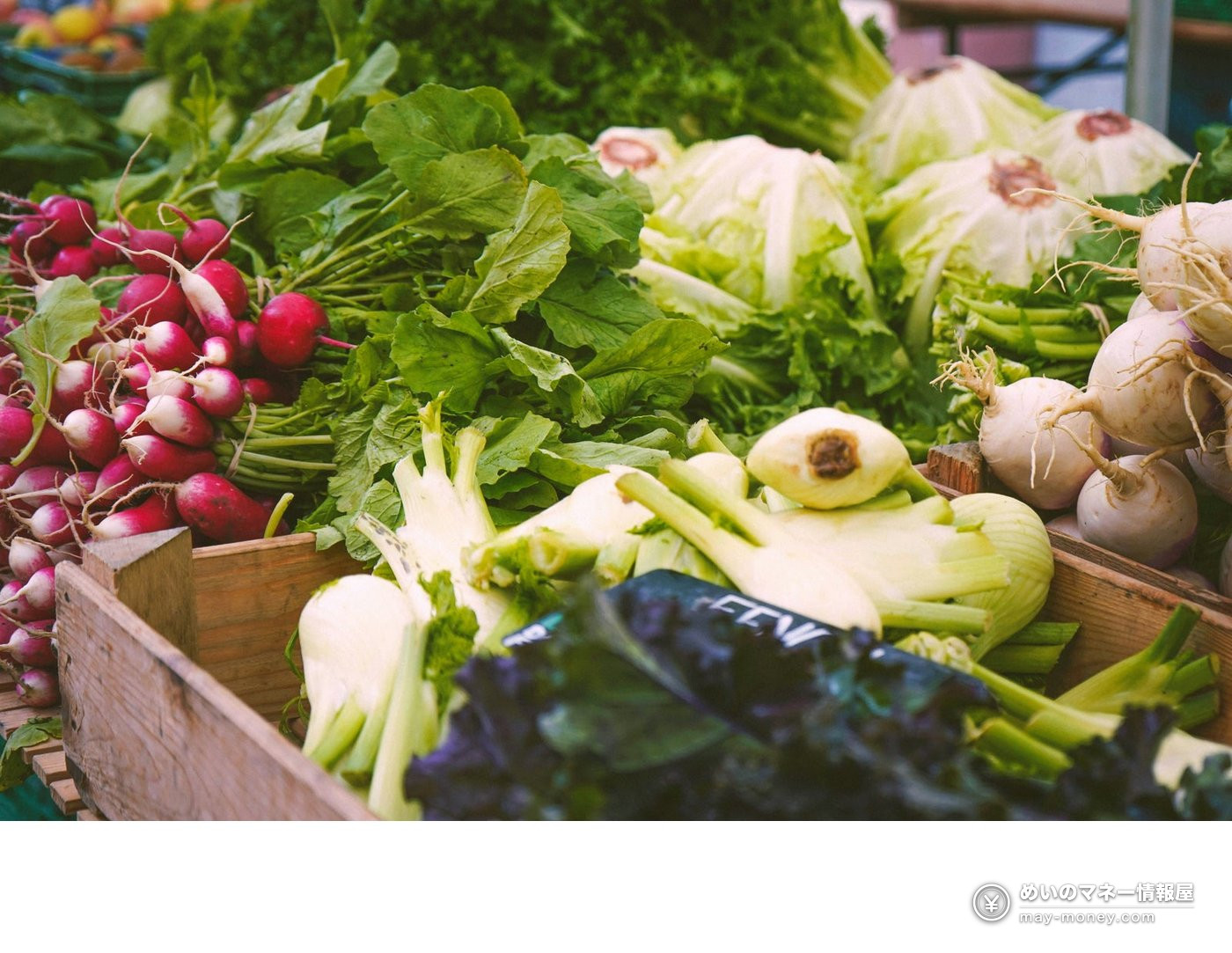
Stallholders bring things that still have plenty of life in them and hand them on to someone new: small plates, sake cups and vases, cookbooks, home-grown herbs and fruit, and vegetables that fall outside retail standards.
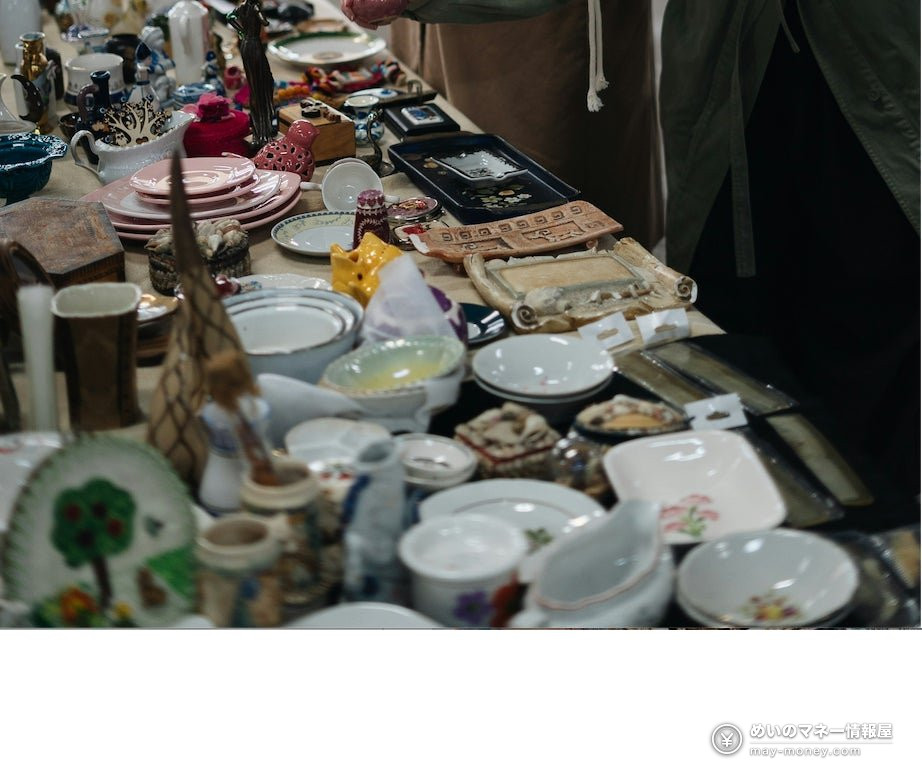
Stalls are open to Kamakura residents and producers based in the Kamakura area, and the organizers are still recruiting. You can apply through the stallholder application form. If you live elsewhere but like the idea of giving your unused tableware or books a new home, a flea-market app does a similar job; our Mercari guide and Rakuma guide explain how to get started.
2. Food and drink at shared tables
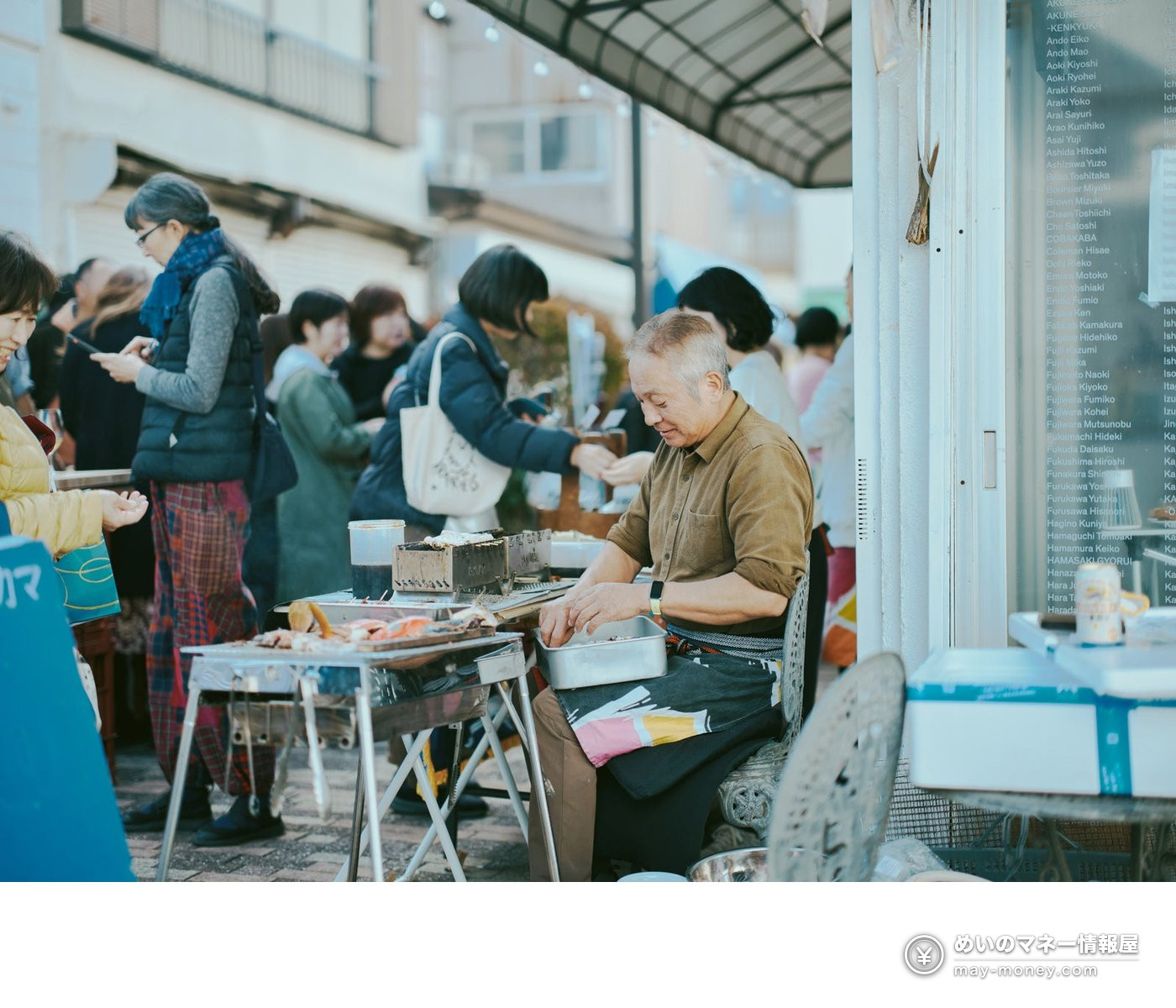
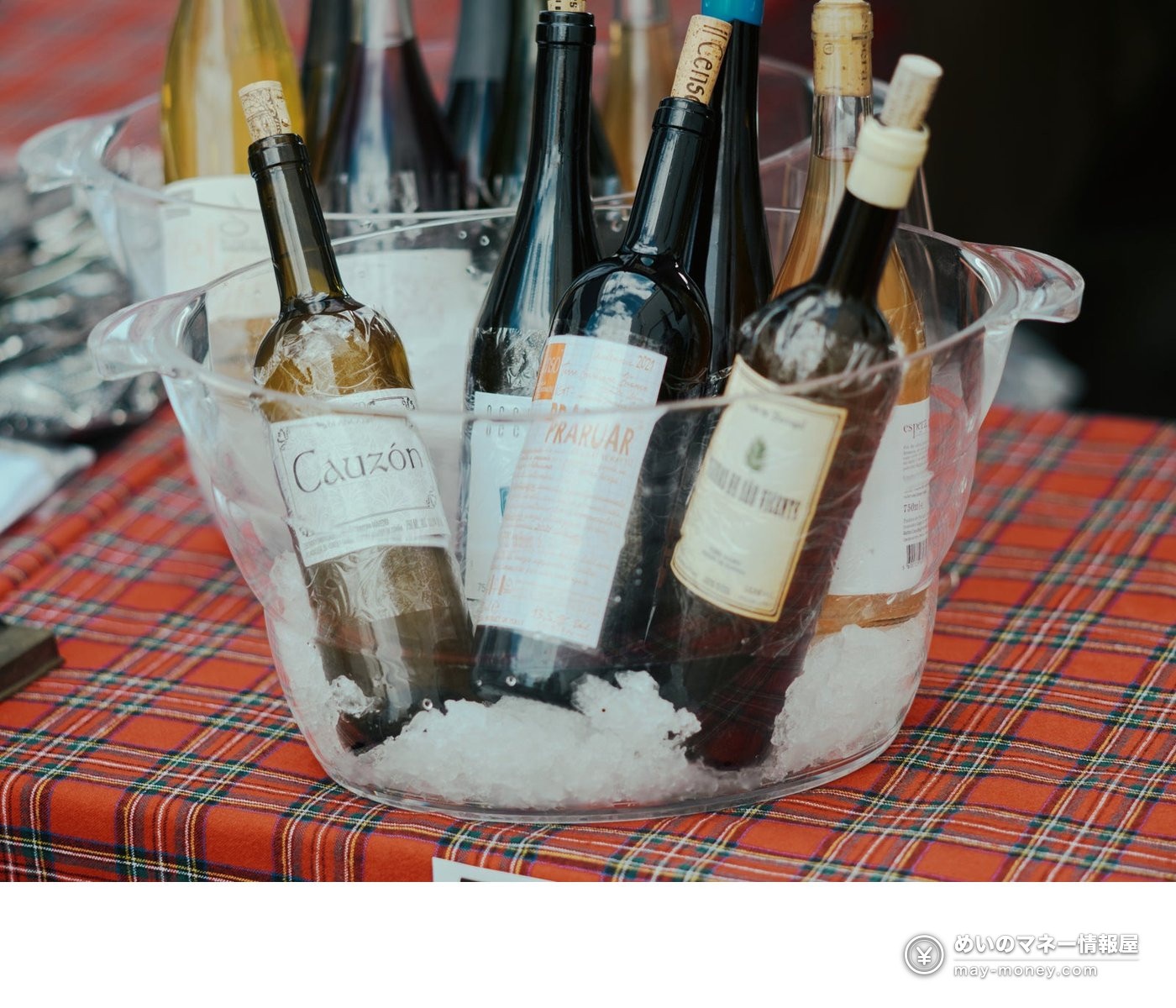
The food area is set up so people sit together, including with strangers. Many dishes are built around fish trimmings and vegetables that would otherwise go unused. Sakanaya Marukama will be grilling over charcoal and serving special dishes made from fish trimmings, and there is a good range of alcohol, from doburoku (unfiltered rice brew) to sake and wine. Shops along Kita-Kamakura-dai Shopping Street are also opening specially for the day. The full vendor line-up is in the table further down.
3. Free talk sessions in the park
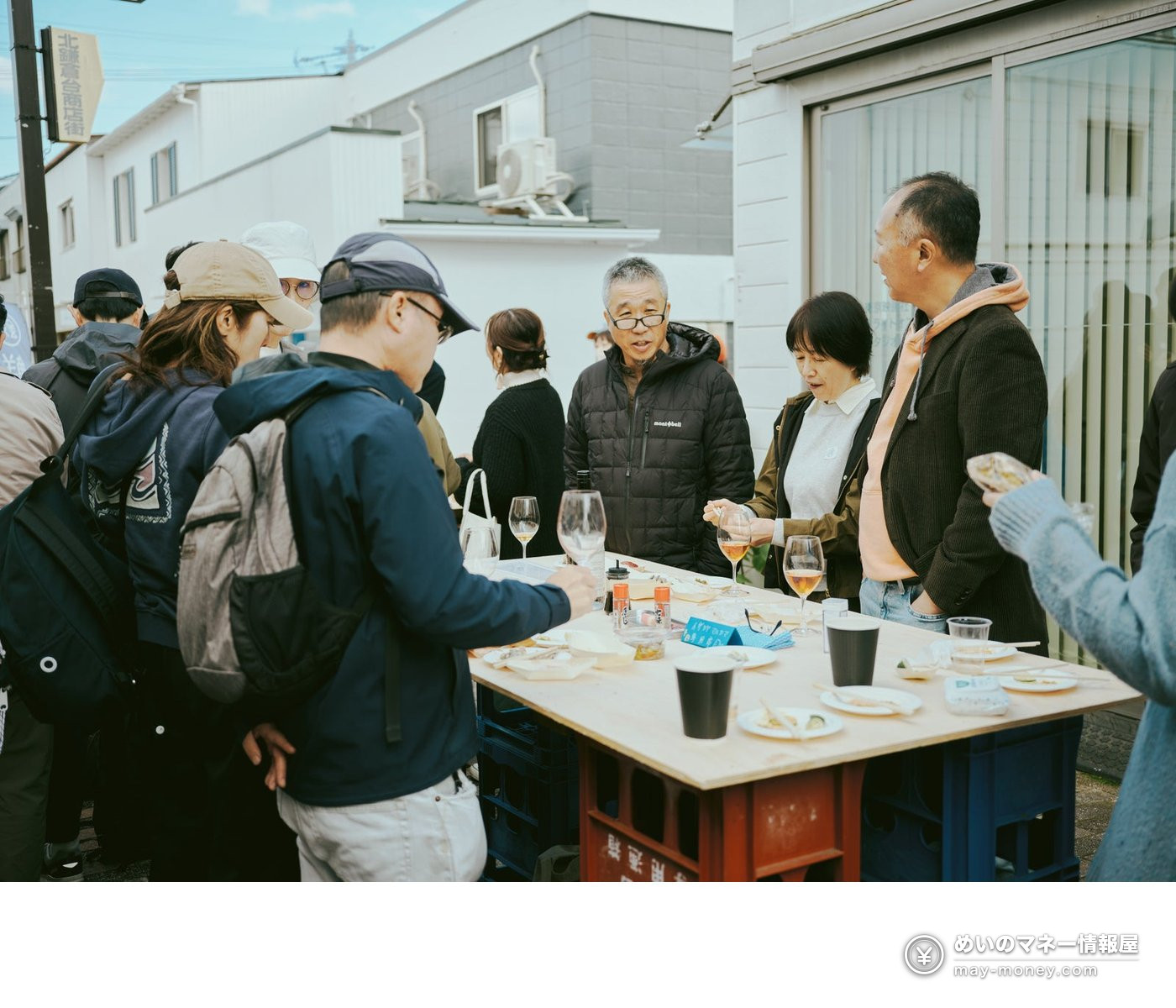
From 12:00 to 16:00 in Yoshigasawa Park, people working in farming, fishing and food distribution take turns in open conversations about how we can keep eating well while living within nature’s means. No booking is needed and it costs nothing to join. Uekatsu (ウエカツ氏), an adviser to Sakanaya Marukama, is expected to take part, and a greengrocer-meets-fishmonger session is planned. The talks are run with help from Oishii Kyushoku Kamakura (おいしい給食かまくら), and you are welcome to bring a picnic mat or folding chair and listen with food and a drink.
4. Hands-on workshops
The workshops are all about using materials fully instead of wasting them:
- Cleaning cloths made with rice bran
- Heat packs dyed with bengara, a natural iron-oxide red dye
- Kombucha making with Kombucha Kenkyujo (kombucha研究所)
- Simple kintsugi (repairing broken ceramics)
They take place at the Tokyo Eigasha Kita-Kamakura satellite office (東京映画社 北鎌倉サテライトオフィス) and other spots, with help from Machigoto Orchestra (まちごとオーケストラ). Session times and any fees have not been announced yet, so watch the official Instagram.
5. The circular booth
Yoshigasawa Park becomes a small showcase of resource ideas born in Kamakura. Look out for a town bench made on a giant 3D printer from resources collected in the city, a DIY-style Kiero (キエーロ) unit developed in Kamakura, and bamboo chips on sale for sheds and gardens. Contributors include:
- Gomi Fes 532 Executive Committee (ゴミフェス532実行委員会)
- Junkansha
- Kayac (面白法人カヤック)
- Recyclation Keio Kamakura Lab (リサイクリエーション慶應鎌倉ラボ)
- SlowFast (株式会社SlowFast)
- Fab Lab Kamakura (ファブラボ鎌倉)
- Kiero Hayama (キエーロ葉山)
Food and drink vendors
These are the vendors announced so far. More are expected to join.
| Vendor | What to eat or drink | Also on offer |
|---|---|---|
| Anan Spice & Machi no Shain Shokudo (アナンスパイス&まちの社員食堂) | Curry | Spices for sale |
| Umi to Ketchup (海とケチャップ) | Hot dogs made using rice-bran fermentation | — |
| Omanotope no Oyatsu-tachi (オマノトペのおやつたち) | Kid-friendly sweets | — |
| Cailloux | Limited-edition sandwiches, bread made with domestic organic wheat | — |
| kamika test kitchen | Sweets, juice | Seasonings for sale |
| Kombucha Kenkyujo (kombucha研究所) | Kombucha | Workshop |
| Sakanaya Marukama (サカナヤマルカマ) | Charcoal-grilled fish, fried fish, sashimi and more | Fresh fish for sale |
| ZEROWASTE Kawada Shoten (ZEROWASTE 川田商店) | Bento made with Shonan organic vegetables | Vegetables for sale |
| Haretoki (晴レ時々野菜 ハレトキ) | Soup, grilled vegetables | Vegetables for sale |
| Suzukiya Saketen (鈴木屋酒店) | Doburoku, sake, wine | — |
What to bring
- Your own cup, plate and cutlery
- A picnic mat or folding chair if you plan to sit in on the talks
- Household items for the collection points (see below)
- A bag for rice bran: freshly milled rice bran, which you can use to start a nukadoko pickling bed, is planned to be given away free, provided by Sasaya Rice Shop (笹屋米店)
- Light rain gear, since the market goes ahead in light rain
These are collected at Yoshigasawa Park and sent on for reuse:
| Item | Where it goes |
|---|---|
| Ice packs | Used at Sakanaya Marukama |
| Children’s shoes | Passed to the next wearer through a reuse service |
| Detergent refill pouches | Collected at a resource drop-off post |
| Christmas ornaments | Used at the shopping street’s Christmas event |
A related event on 31 October and where to get updates
The market is not meant to be a one-day affair. On Saturday, 31 October, a related event takes place at Imaizumi-dai Kohan Shopping Street (今泉台湖畔商店街) in the same neighborhood. Times and contents for that day have not been published, and workshop schedules for 3 November are still to come, so the official Instagram account is the place to check. The original announcement is on PR TIMES.
Looking for more free days out this autumn? See our guides to the Shibaura Canal Festival and its free canal cruises and the Setagaya Tamagawa Fireworks. To end a long day out cheaply, the ¥300 Tokyo sento coupon is worth a look, and for train day trips there is the Aki no Norihodai Pass for JR local trains.
FAQ
- Q. Is Kamakura Shoku no Junkan Ichi free to enter?
- Yes. Entry is free. The talk sessions at Yoshigasawa Park are also free and do not need a booking.
- Q. What are the opening hours?
- The market runs from 11:00 to 16:00 on Tuesday 3 November 2026, a national holiday. The talk sessions run from 12:00 to 16:00.
- Q. Does it go ahead in the rain?
- The organizers say it will be held in light rain. For heavier weather, check the official Instagram account before you set out.
- Q. Do I need to bring my own cup?
- You are asked to bring your own cup and tableware to cut waste. If you forget, megloo reusable tableware can be rented for a fee.
- Q. Can I sell my own items at the market?
- Stalls in the pass-it-on market are open to Kamakura residents and producers based in the Kamakura area. Applications are taken through the stallholder application form.
- Q. What can I drop off for reuse?
- At Yoshigasawa Park you can drop off ice packs, shoes for children, detergent refill pouches and Christmas ornaments.