Hitsuji Festa 2026 in Nakano: Japan’s Biggest Lamb Festival, Free to Enter
Two parks, two days, and a weekend built entirely around sheep — lamb chops and jingisukan, yes, but also wool, crafts and regional producers. Entry costs nothing; you only pay for what you eat and buy.
What Hitsuji Festa actually is
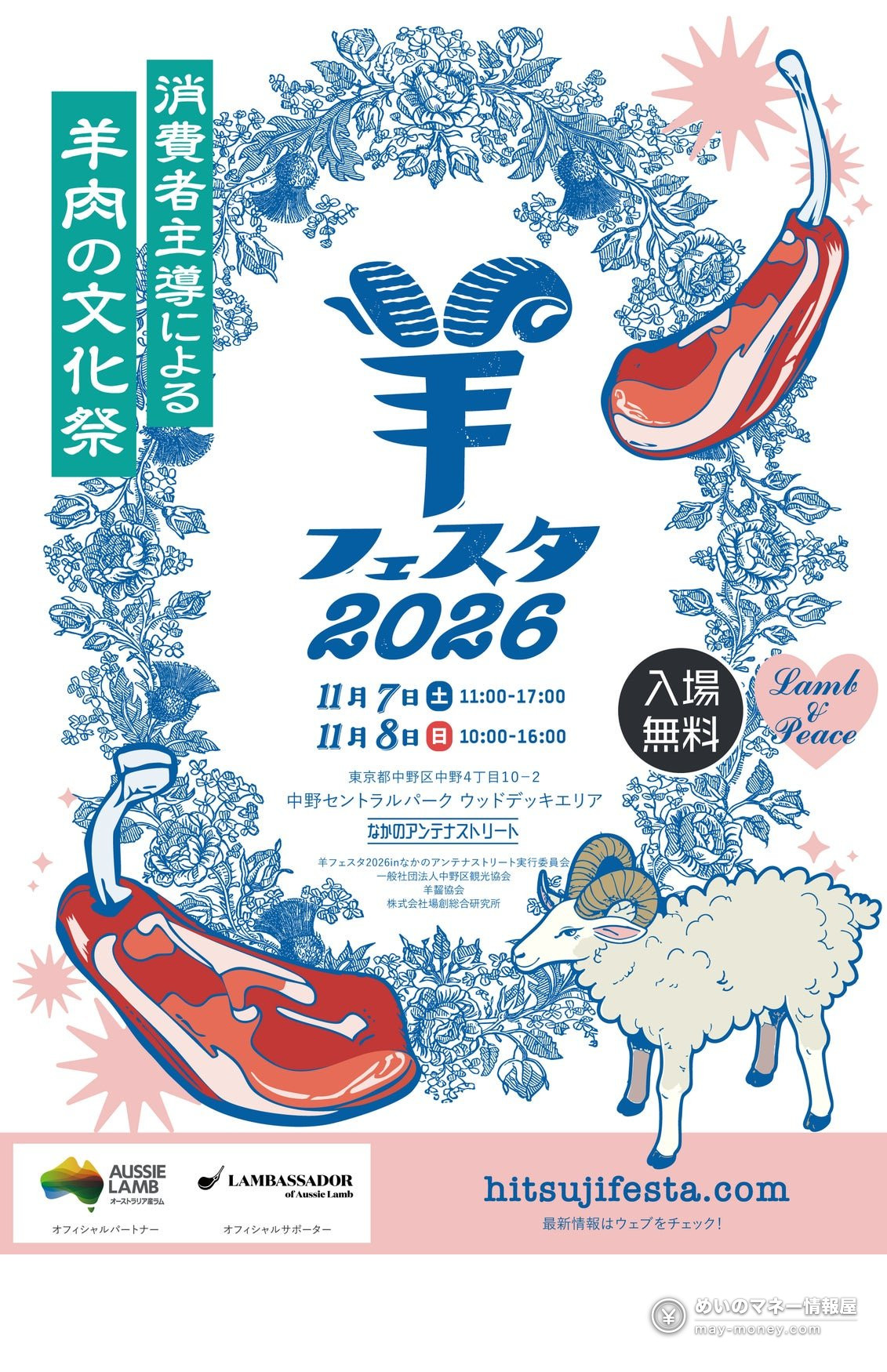
If you have lived in Japan for a while you have probably been to a food festival in a park. This one is narrower and, because of that, better: every stall, every craft table and every regional booth is there for one animal. Lamb and mutton are the headline, but sheep as a whole — the meat, the wool, the farms, the people importing and cooking it — is the actual subject.
It has run since 2014 and 2026 is the eleventh edition. The timing is deliberate: 2027 is the Year of the Sheep in the twelve-year zodiac cycle, so the organisers are treating this year as the warm-up, pulling in producers, municipalities, embassy-adjacent groups, importers, restaurants and the smaller sheep events that now happen all over the country. Their stated goal is simple — come to the venue and you can see where sheep in Japan stand right now.
For newcomers the practical appeal is that lamb in Japan is no longer a niche import you only find at a Hokkaido-style grill house. Specialist restaurants have multiplied, and so have the styles: Chinese cumin skewers, Central Asian dumplings, Mongolian and Middle Eastern cooking, alongside the Japanese jingisukan (ジンギスカン) most people know. A weekend like this compresses all of that into a few hundred metres of park.
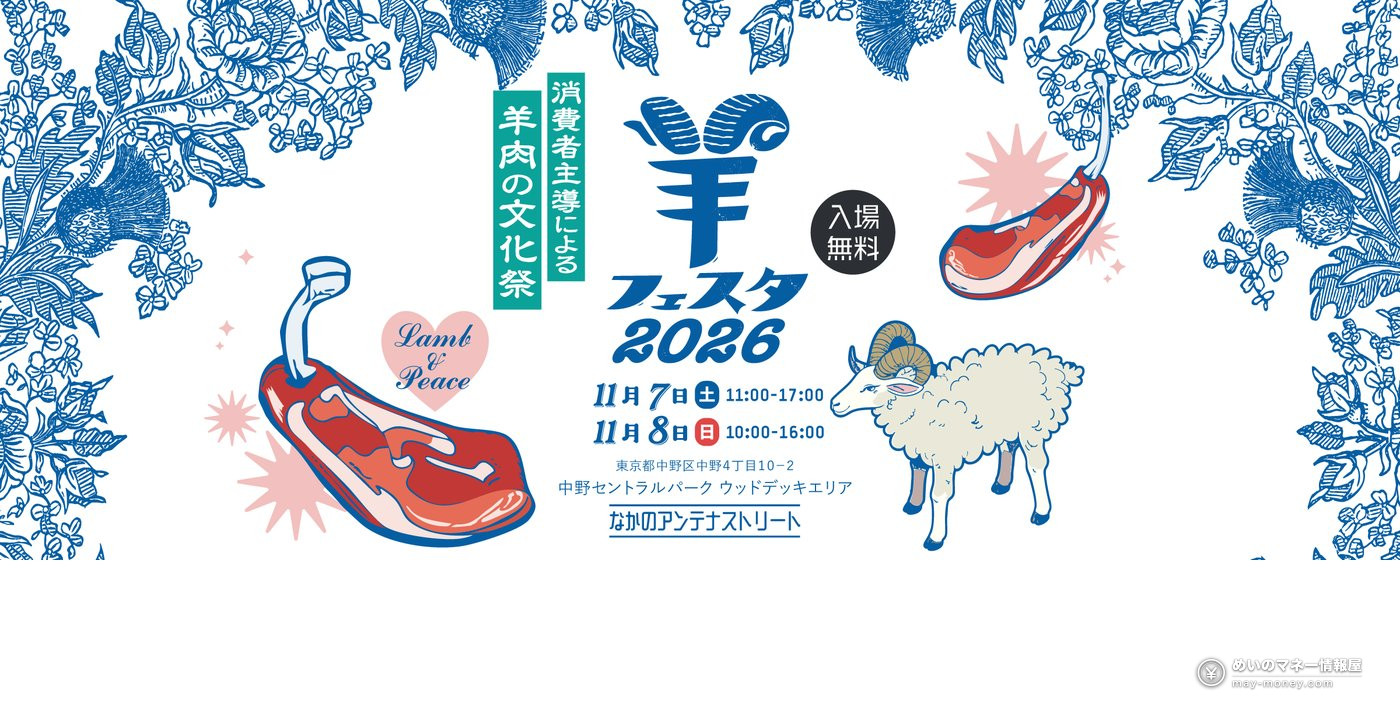
Dates, hours and how to get there
Note that the two days do not run on the same clock. Saturday starts later and finishes later; Sunday starts an hour earlier and wraps up at four.
| Day | Hours | Worth knowing |
|---|---|---|
| Sat 7 Nov 2026 | 11:00–17:00 | Longer day, and the later finish suits an evening start |
| Sun 8 Nov 2026 | 10:00–16:00 | Opens an hour earlier — the quietest window of the weekend |
The venue is Nakano Central Park together with the adjoining Nakano Shiki no Mori Park, at 4-10-2 Nakano, Nakano-ku, Tokyo. From the north exit of Nakano Station on the JR Chuo and Sobu lines or the Tokyo Metro Tozai line, it is roughly a seven-minute walk. Nakano Station is about five minutes from Shinjuku on the Chuo line, so this is an easy add-on to a day you were already spending in west Tokyo.
Coming in from another prefecture for the weekend? Autumn is a good month for rail deals — see our guides to the Aki no Norihodai Pass for three days of JR local trains and to half-price shinkansen fares on the JR East Tokudane specials. If you plan to stay overnight, the current Marriott Bonvoy points promotion is worth registering for before you book.
What people eat there
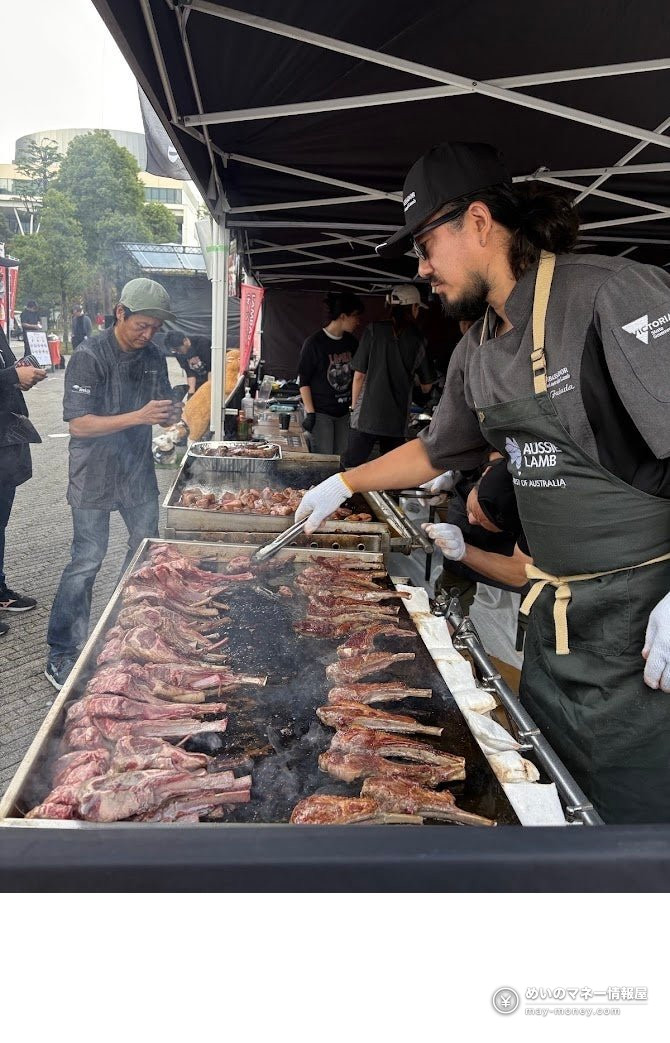
The 2026 stall line-up has not been published yet — exhibitors, restaurants and programme details are being announced in stages. What we can say is what has been sold in previous years, which gives a fair picture of the range.
| Dish | What to expect |
|---|---|
| Lamb chops | Grilled over charcoal, eaten off the bone. The signature item. |
| Lamb sausage | Easy first bite if you are unsure about the flavour. |
| Jingisukan (ジンギスカン) | Hokkaido-style grilled lamb with vegetables. |
| Lamb skewers | Chinese-style, typically heavy on cumin and chilli. |
| Stews and braises | Slow-cooked, good in November weather. |
| Lamb buns and pan-fried soup dumplings | Steamed buns and grilled xiaolongbao filled with lamb. |
| Yakisoba | Fried noodles, done with lamb instead of the usual pork. |
| Mapo tofu rice bowl with lamb | A crossover that turns up on a lot of Japanese lamb menus. |
| Craft beer and baijiu (white spirits) | Poured alongside the food; the Chinese spirits pair with the cumin dishes. |
Prices per item are not published in advance and vary by stall, so bring more cash than you think you need — outdoor festival stalls in Japan are not reliably cashless, even in 2026.
Not just food: wool, crafts and regions
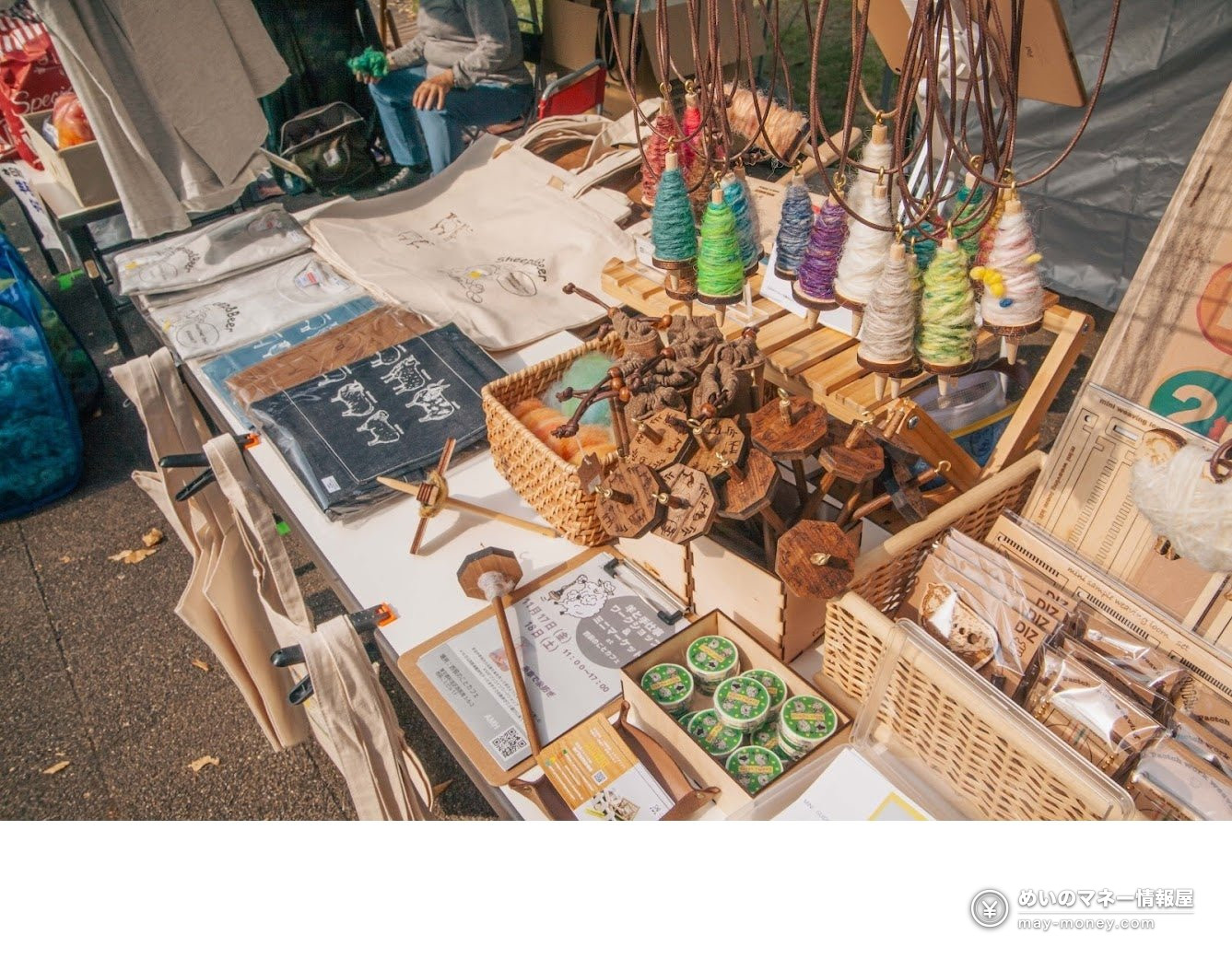
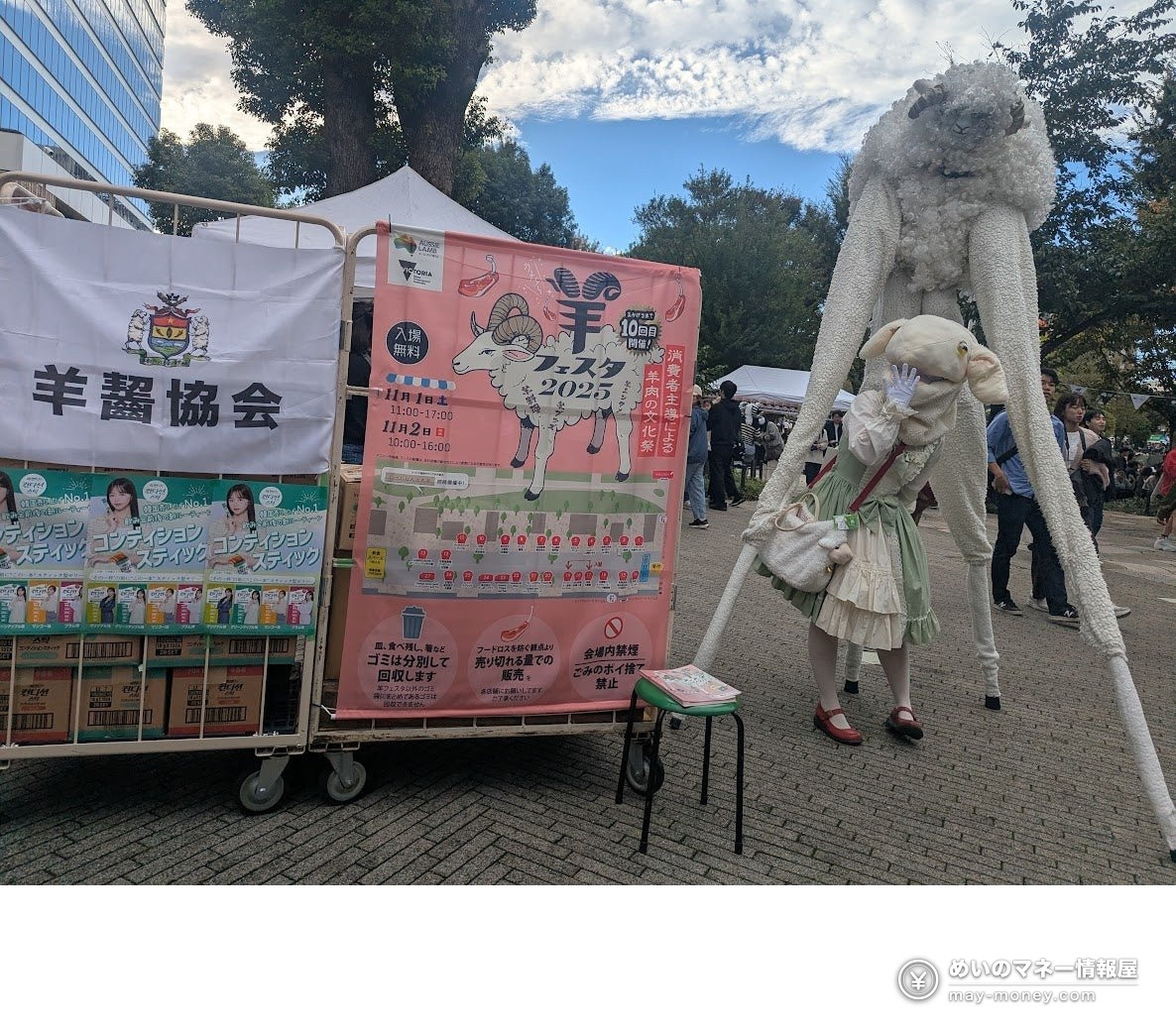
This is the part that surprises first-time visitors and the reason the organisers describe the event as a culture festival rather than a food fair. Alongside the stalls there are wool goods and craft products for sale, booths where regions and organisations introduce what they are doing with sheep, and hands-on activities. Mascot characters wander around. Plenty of people come for a bag of yarn and leave having eaten three kinds of lamb.
The framing the committee uses is eat, see and experience — sheep farming in Japan, the wool side of it, and local governments treating sheep as a regional resource all get floor space, not only the restaurants.
How crowded it gets, and how to plan around it
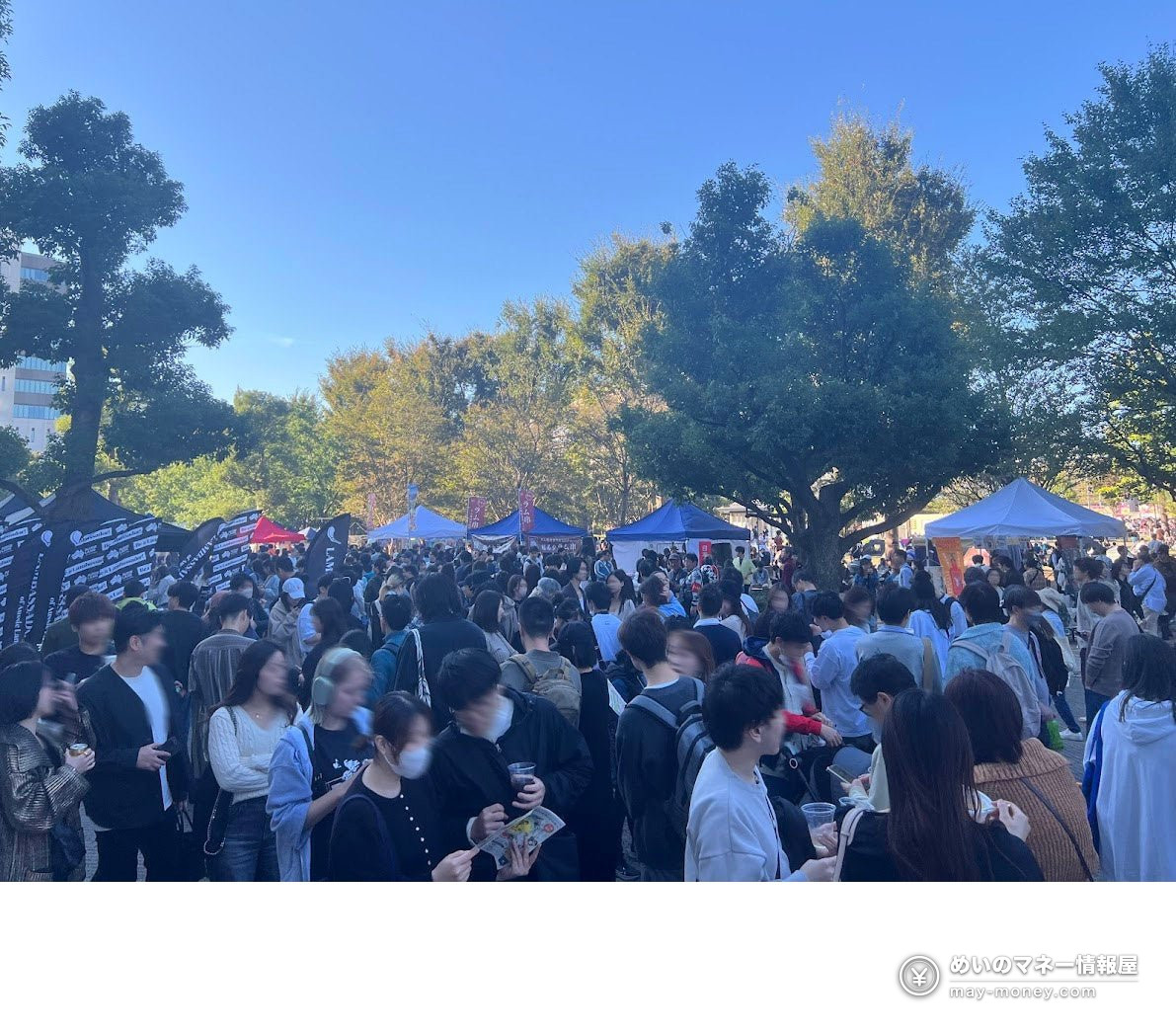
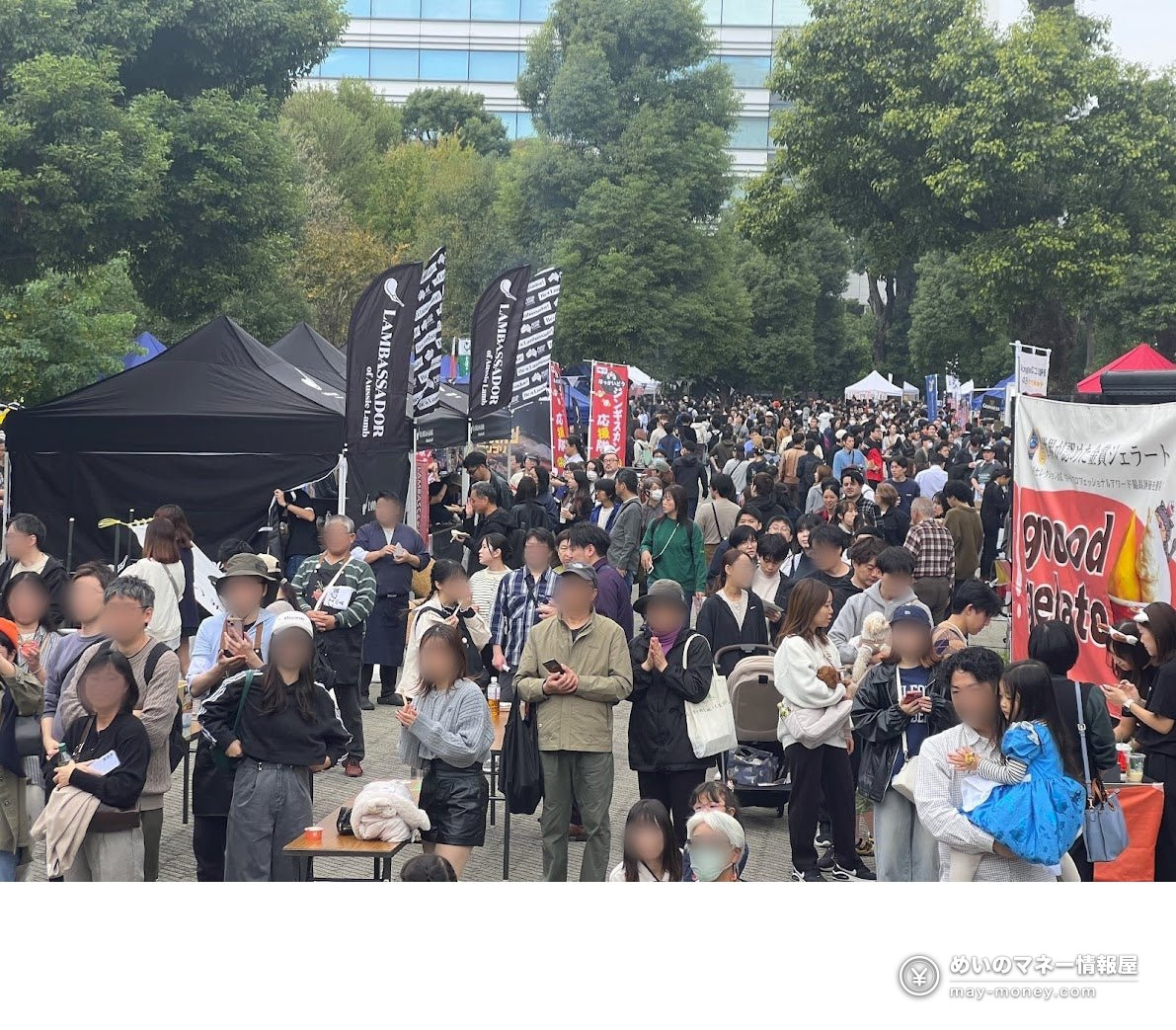
The 2025 edition drew 36,000 visitors across the two days, serving roughly 35,000 dishes and getting through about 1,750 kg of lamb. Spread over two parks that is manageable, but it does mean queues at the popular grills in the middle of the day.
A few practical calls based on those numbers. Sunday’s 10:00 opening is the thinnest crowd of the weekend, so if you want to eat at three or four stalls without waiting, that is your slot. Go with at least one other person and split dishes — portions at this kind of event are generous and the point is breadth. Bring a small folding seat or accept that you will be eating standing up, because park seating fills fast. And if you are bringing children, the organisers specifically build in activities aimed at families and at people trying lamb for the first time, so it is not a specialists-only crowd.
Nakano itself is a good area to pad the day out with — Nakano Broadway is a few minutes from the same station exit, and if you want a cheap wind-down afterwards, our guide to the ¥300 sento coupon valid at 383 Tokyo bathhouses covers how to grab one.
Who runs it, and why that matters
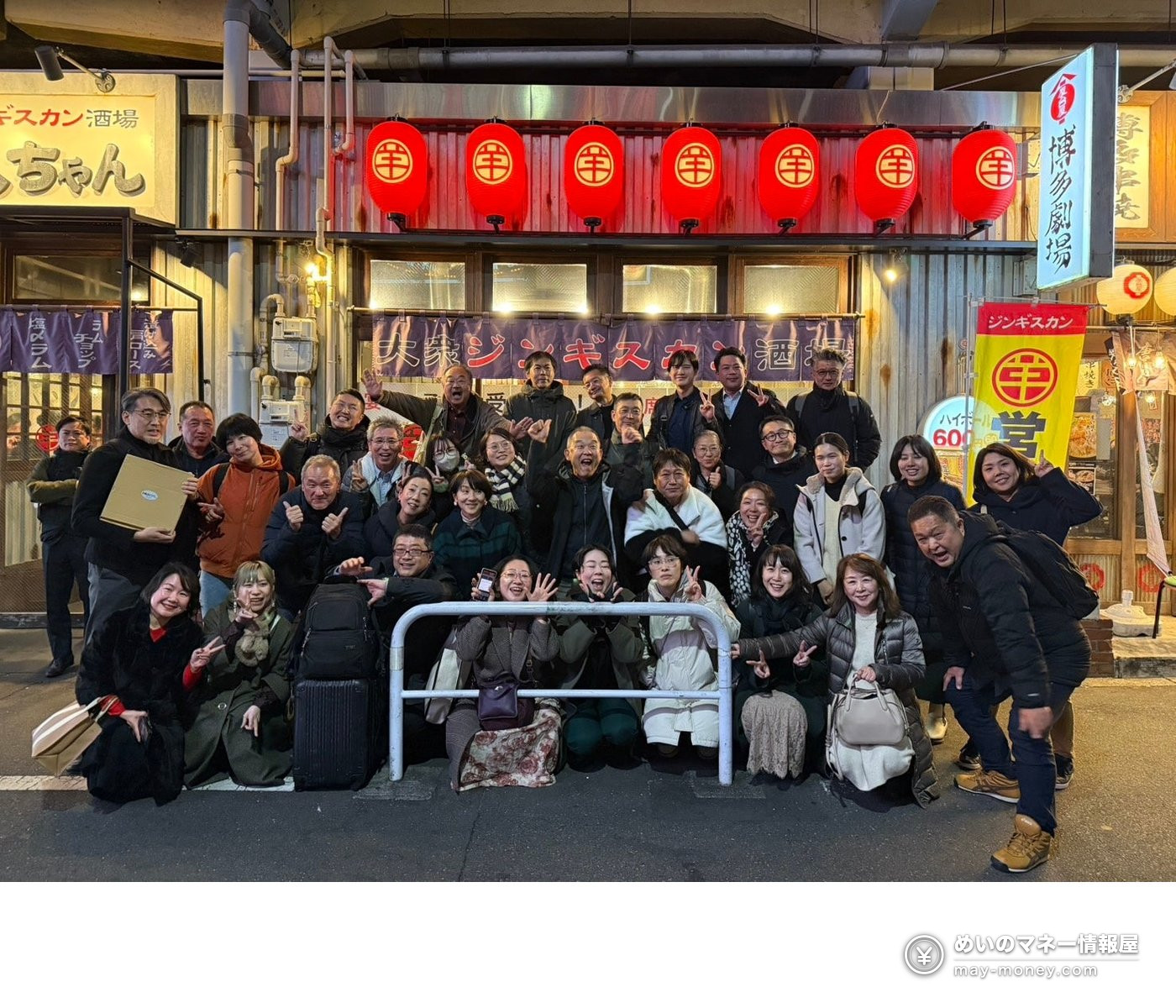
Hitsuji Festa is not a trade show put on by the meat industry. It grew out of Hitsuji Kajiri Kyokai (翊囓協会), a consumer group of around 2,500 members who simply wanted lamb to be easier to eat in Japan. The group marks its twelfth year in 2026, and the festival is planned and run largely by its members and volunteers, people with ordinary day jobs handling exhibitor liaison, publicity, site build and crowd guidance on the day.
Kikuchi Kazuhiro, who heads the association, has described the change he has watched: when they started, lamb was an unusual ingredient for a small circle of enthusiasts, and now it appears on menus in all sorts of restaurants. The group is explicit that it does not exist to grade or criticise lamb dishes — the aim is to put different food cultures side by side and let people meet over them.
The 2026 edition is co-organised by the Hitsuji Festa 2026 in Nakano Antenna Street executive committee, the Nakano City Tourism Association, Hitsuji Kajiri Kyokai and 株式会社場創総合研究所. That volunteer character is also why the programme comes out in stages rather than all at once — worth remembering if you are checking the site in September and finding it thin.
Questions people ask
- Q. Do I need a ticket or a reservation?
- No. Entry is free and no advance booking is announced. You pay only for food and goods at the individual stalls.
- Q. Is it held if it rains?
- Yes — the event runs in rain, and is cancelled only in severe weather. Check the official site on the morning if conditions look bad.
- Q. Which day and time is least crowded?
- Sunday opens at 10:00, an hour earlier than Saturday, and that early window is the calmest part of the weekend. The 2025 edition drew 36,000 people in total, so the middle of Saturday afternoon is the busiest end of the scale.
- Q. What is actually on the menu in 2026?
- The stall and exhibitor list has not been released yet; the organisers are announcing participating shops and programme details in stages. Past years have featured lamb chops, lamb sausage, jingisukan, skewers, stews, lamb buns, pan-fried soup dumplings, yakisoba, lamb mapo tofu rice bowls, craft beer and baijiu.
- Q. Can I go if I have never eaten lamb?
- That is part of the design. The organisers say the event is aimed at first-timers and families as much as at enthusiasts, and mild items such as lamb sausage make an easy starting point.
- Q. Is there anything to do besides eating?
- Yes. Wool and craft goods are sold on site, regions and organisations run introduction booths, and there are hands-on activity programmes plus mascot characters around the venue.
- Q. How do I get to the venue?
- Nakano Central Park and Nakano Shiki no Mori Park, 4-10-2 Nakano, Nakano-ku. About a seven-minute walk from the north exit of Nakano Station on the JR Chuo and Sobu lines or the Tokyo Metro Tozai line.
Where to check for updates
Because the line-up lands in instalments, the official channels are the only reliable place to see who is cooking on the day. Details in this article reflect what has been announced so far; confirm hours, access and the programme on the official pages before you go.
- Hitsuji Festa official site — dates, venue and announcements
- Access page — venue address and route from Nakano Station
- Hitsuji Kajiri Kyokai — the association behind the festival
Free entry, a station five minutes from Shinjuku, and a subject narrow enough that the whole site hangs together — for a November weekend in Tokyo that is a strong offer. Put the Sunday morning slot in your calendar, bring cash, and come hungry.