Tokyo Nomi no Ichi: one of Japan’s biggest antique markets, four days only
- What Tokyo Nomi no Ichi actually is
- Dates, hours, venue and how to get there
- Tickets: prices and the cash-only catch
- Which day to go: the programme changes daily
- The shopping zones
- Food: Anko Fes and Komugi Fes
- Kids’ market and youth market
- Stage: live music, comedy and roaming performers
- Practical tips for a first visit
- FAQ
What Tokyo Nomi no Ichi actually is
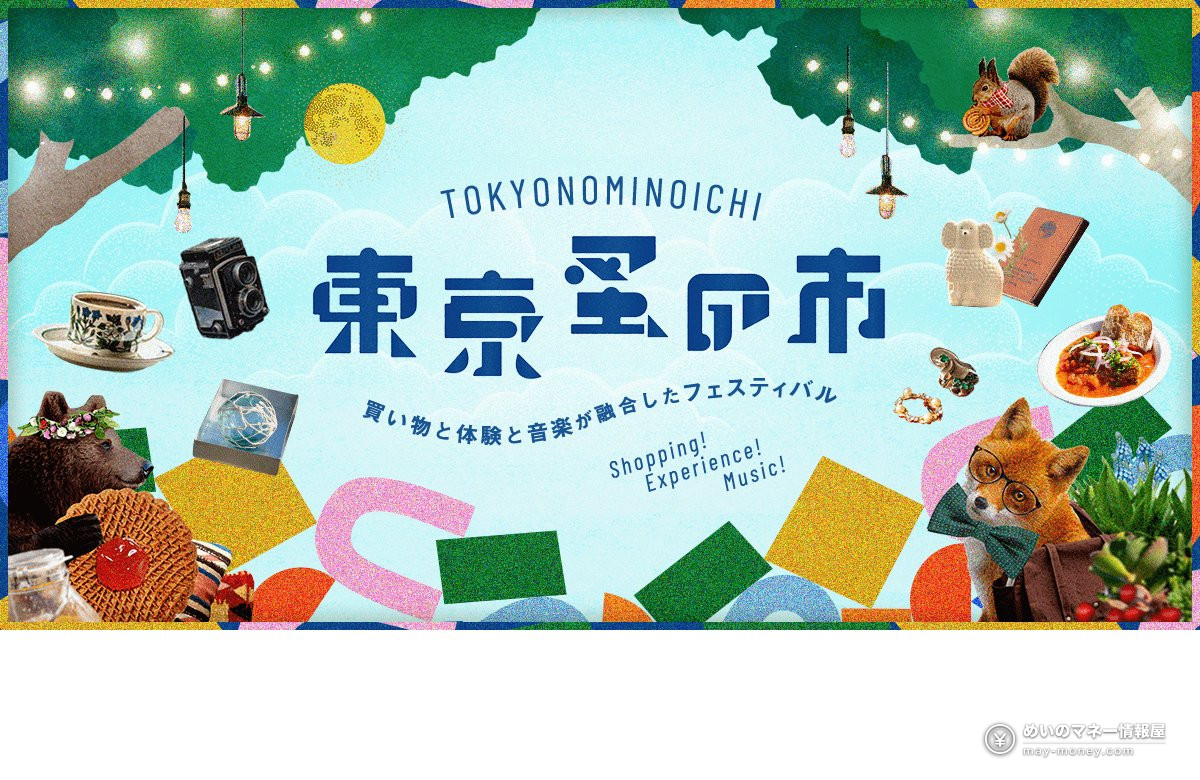
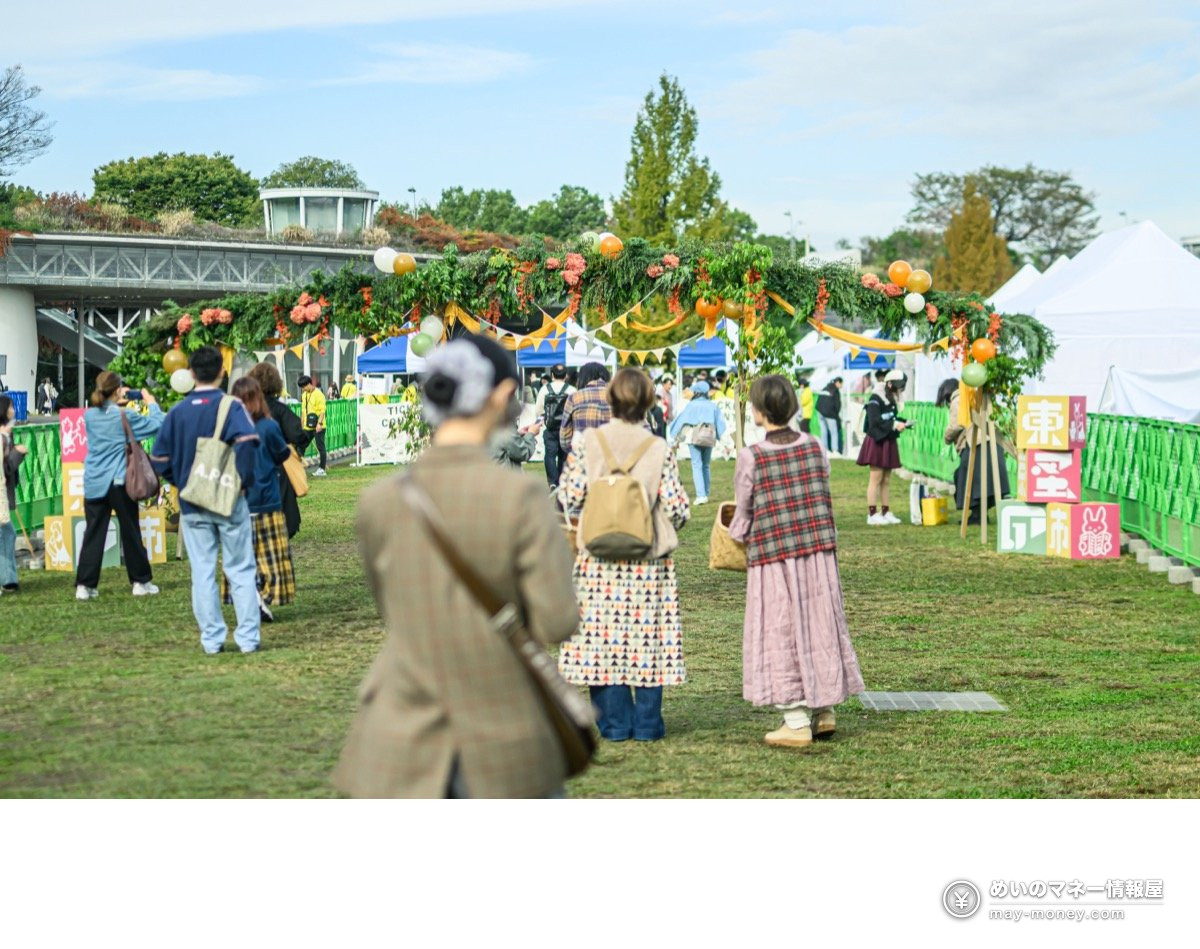
If you have lived in Japan for a while, you have probably seen the posters: a hand-drawn forest, a fox, a stack of old books. That is Tokyo Nomi no Ichi (東京藤の市), an open-air antique and vintage market that has run twice a year, in spring and autumn, since 2012. It is organised by Tegamisha (手紙社), the editorial team behind other well-known Tokyo craft events such as Nunohaku and Kamihaku.
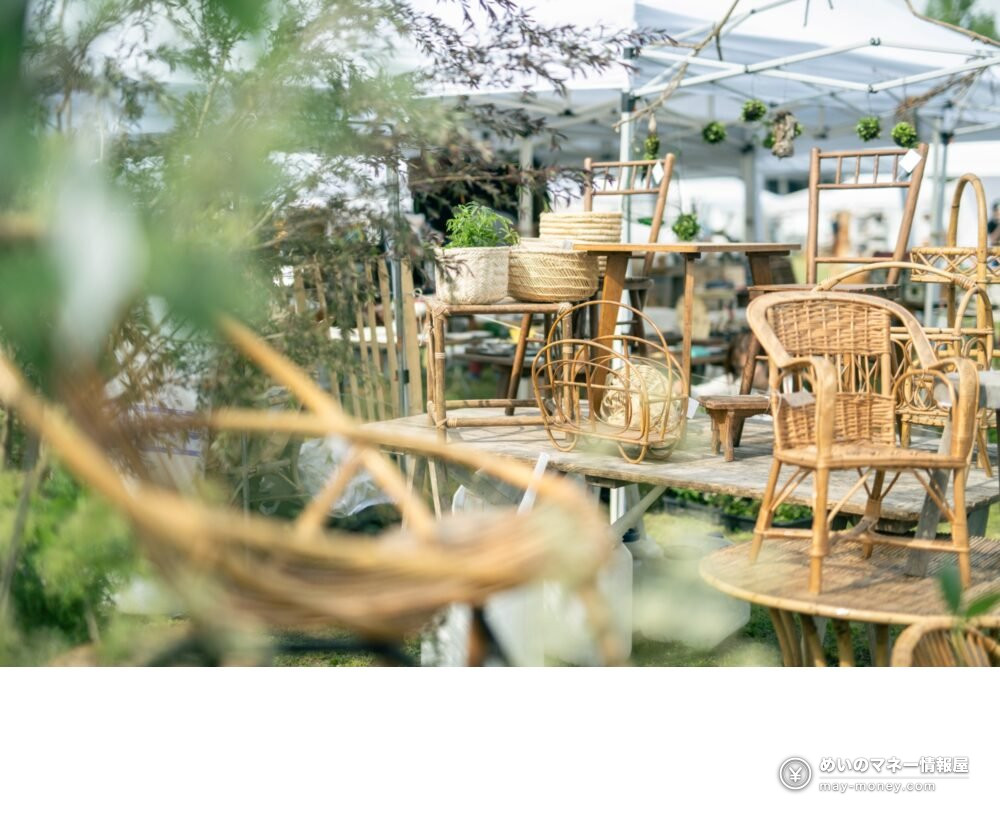
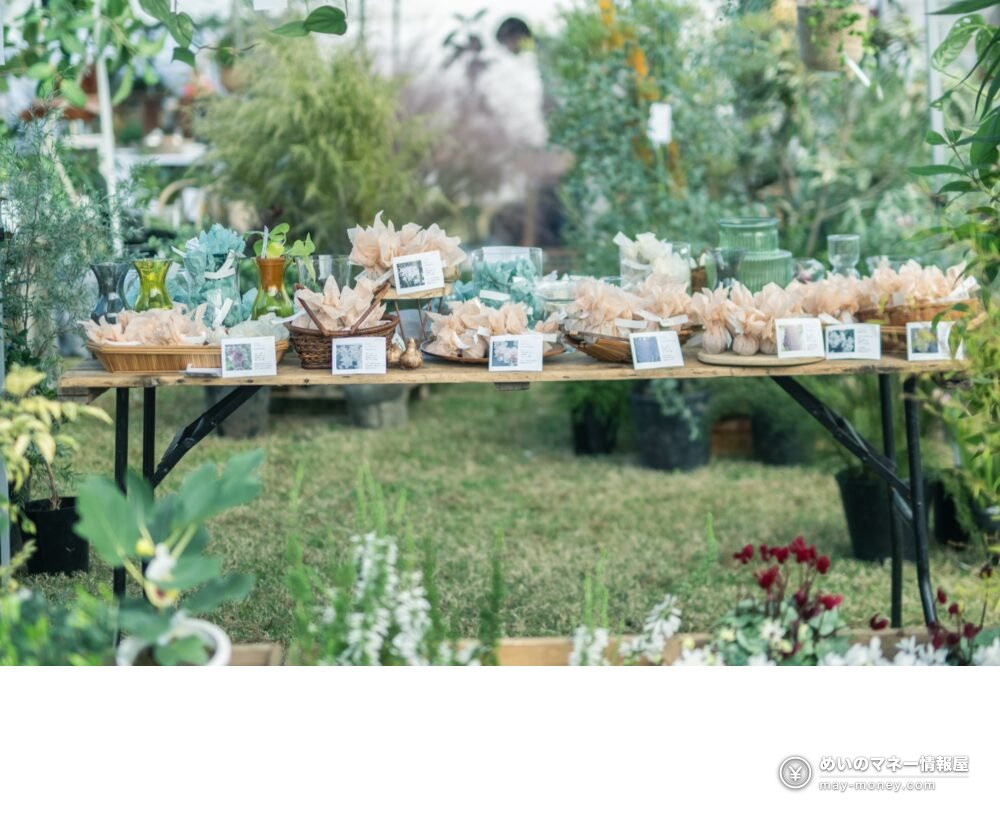
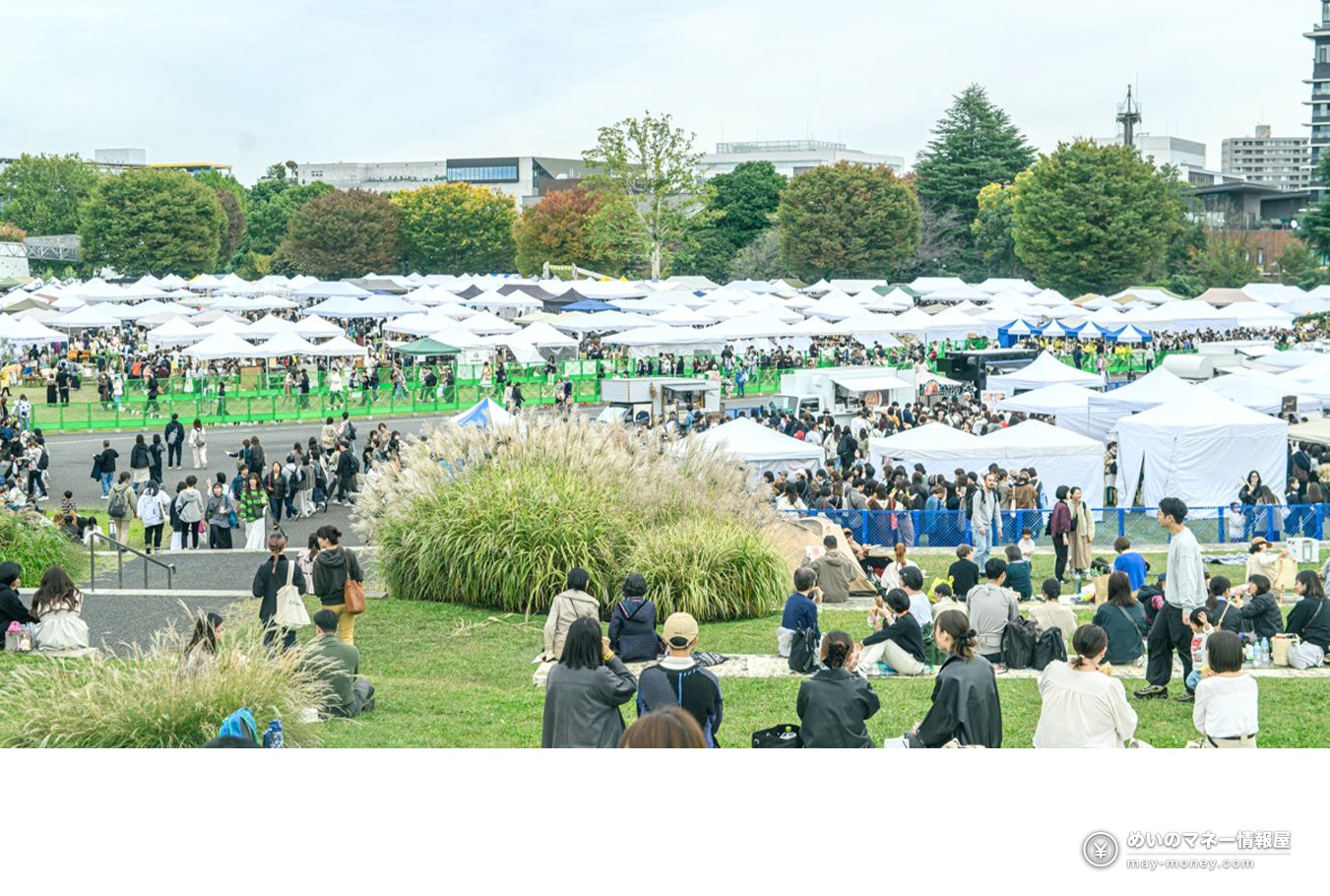
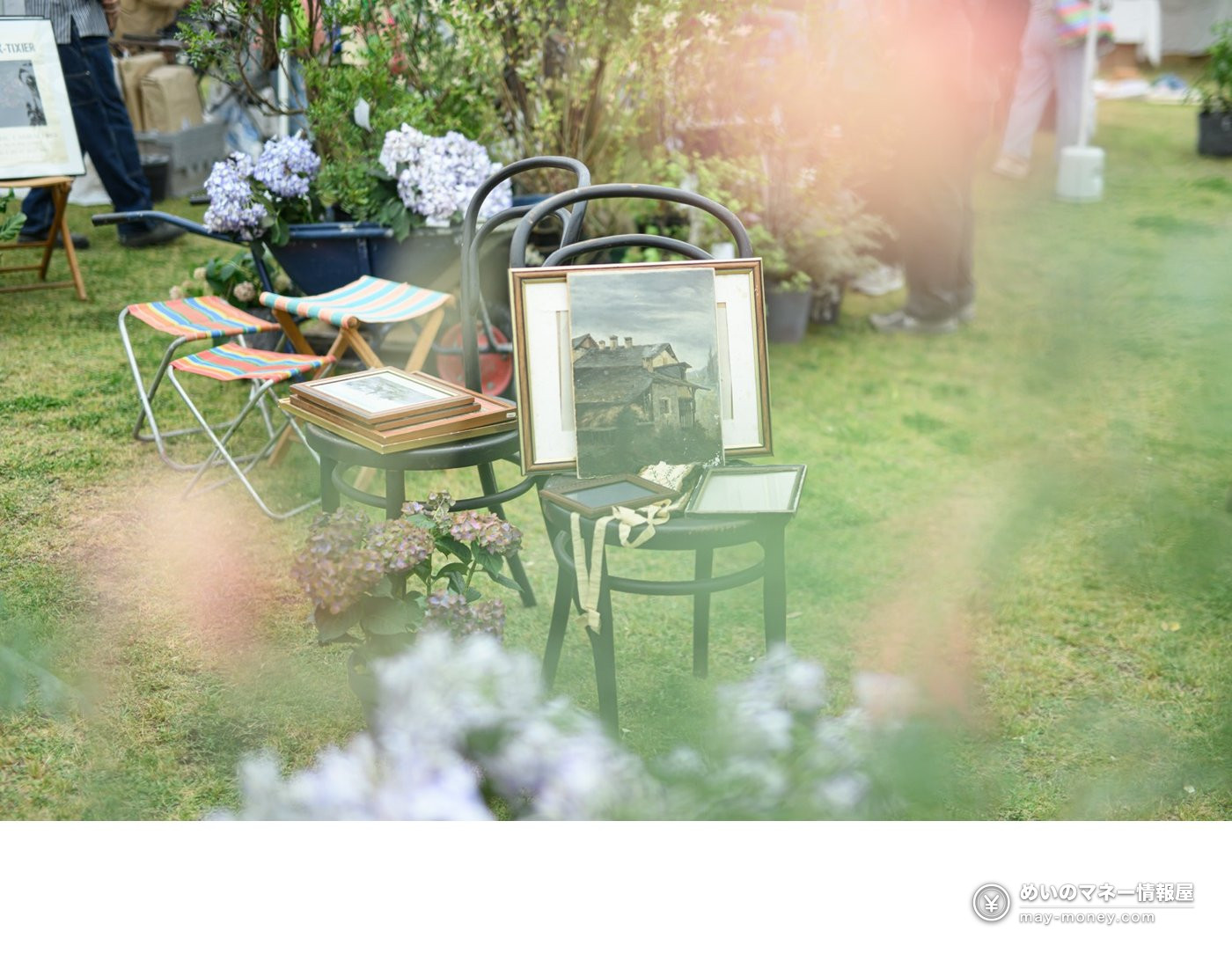
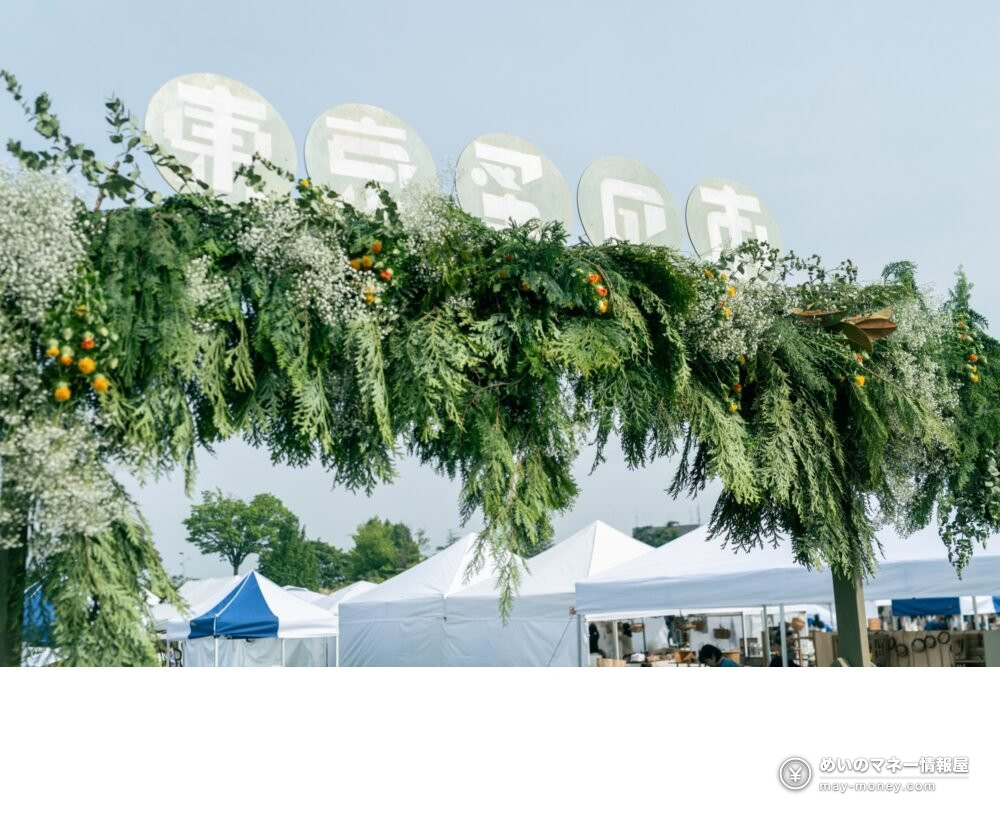
The scale is the point. More than 300 shops and makers set up on a single park lawn — antique dealers, secondhand furniture and tool shops, used bookstores, vintage clothing sellers — alongside food stalls, kitchen cars and a live stage. For newcomers to Japan it is also a rare chance to browse everyday Showa-era objects and Japanese craft in one place, without having to hunt through scattered shops in Nishi-Ogikubo or Kichijoji.
Dates, hours, venue and how to get there
| Event name | Tokyo Nomi no Ichi ’26 AUTUMN (東京藤の市’26 AUTUMN) |
|---|---|
| Dates | Saturday 31 October – Tuesday 3 November 2026 (public holiday) Four days |
| Hours | 9:30 – 16:30 |
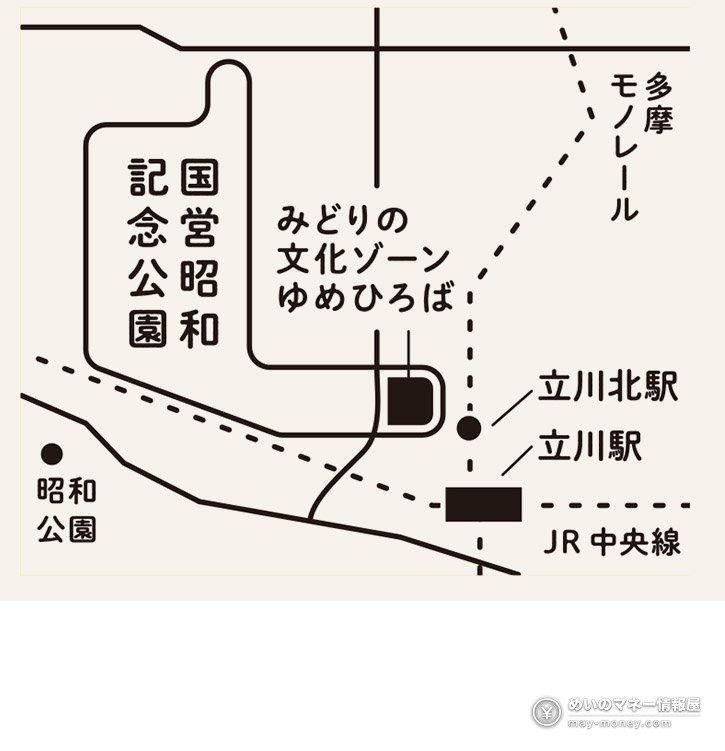
| Venue | Showa Kinen Park, Midori no Bunka Zone, Yume Hiroba (国営昭和記念公園) |
| Address | 3173 Midori-cho, Tachikawa, Tokyo |
| Access | 10 min walk from JR Chuo Line Tachikawa Station 8 min walk from Tama Monorail Tachikawa-Kita Station |
| Weather | Held rain or shine. Cancelled in severe weather. |
| Organiser | Tegamisha |
The market takes place on Yume Hiroba, the big lawn in the Midori no Bunka Zone, which sits right next to the Akebono entrance of the park. That entrance is the closest one to Tachikawa Station, so you do not need to cross the whole park to reach the stalls.
Tickets: prices and the cash-only catch
| Advance ticket (sold online) | ¥1,800 |
|---|---|
| Door ticket (sold at the venue) | ¥2,300 |
| Junior high school age and younger | Free (must be accompanied by a guardian) |
| Validity | Valid for the day of purchase only. There is no multi-day pass. |
| Payment at the venue | Cash only |
Which day to go: the programme changes daily
This is the single most useful thing to know before booking. The core market runs all four days, but several of the headline programmes are split between the first half and the second half of the event. Decide what you want first, then pick your date.
| Programme | 31 Oct (Sat) 1 Nov (Sun) | 2 Nov (Mon) 3 Nov (Tue, holiday) |
|---|---|---|
| Main market 300+ shops | Yes | Yes |
| Colourful Zakka new zone | Yes | Yes |
| Anko Fes sweet red bean | Yes | — |
| Kodomo Nomi no Ichi kids’ market | Yes | — |
| Komugi Fes bread and wheat foods | — | Yes |
| Seishun Nomi no Ichi student makers | — | Yes |
| Nomi no Ichi sports day games | — | Planned |
In short: the first weekend is the sweets-and-families half, and the Monday and holiday Tuesday are the bread-and-students half. Live music and comedy run across all four days.
The shopping zones

Rather than one undifferentiated field of tents, the site is divided into themed areas, so you can plan a route instead of wandering. The zones announced for this edition are:
New this time is a zone called Colourful Zakka, running all four days with around ten creators. The brief is bright, playful homeware and interior pieces, including work made with 3D printers, laser cutters and Jesmonite — a noticeably different flavour from the antique stalls next door, and a good counterpoint if vintage is not your thing.
Food: Anko Fes and Komugi Fes
The headline debut this autumn is Anko Fes (あんこフェス), held on 31 October and 1 November only. Anko is sweetened red bean paste, the backbone of Japanese confectionery, and around 40 makers will gather to sell it in every form: ohagi, dorayaki, anko and butter sandwiches, and modern reinterpretations alongside the classics. Matcha drinks and other pairings are part of the line-up. If you have only ever met anko inside a convenience store bun, this is an efficient way to find out how wide the category actually is.
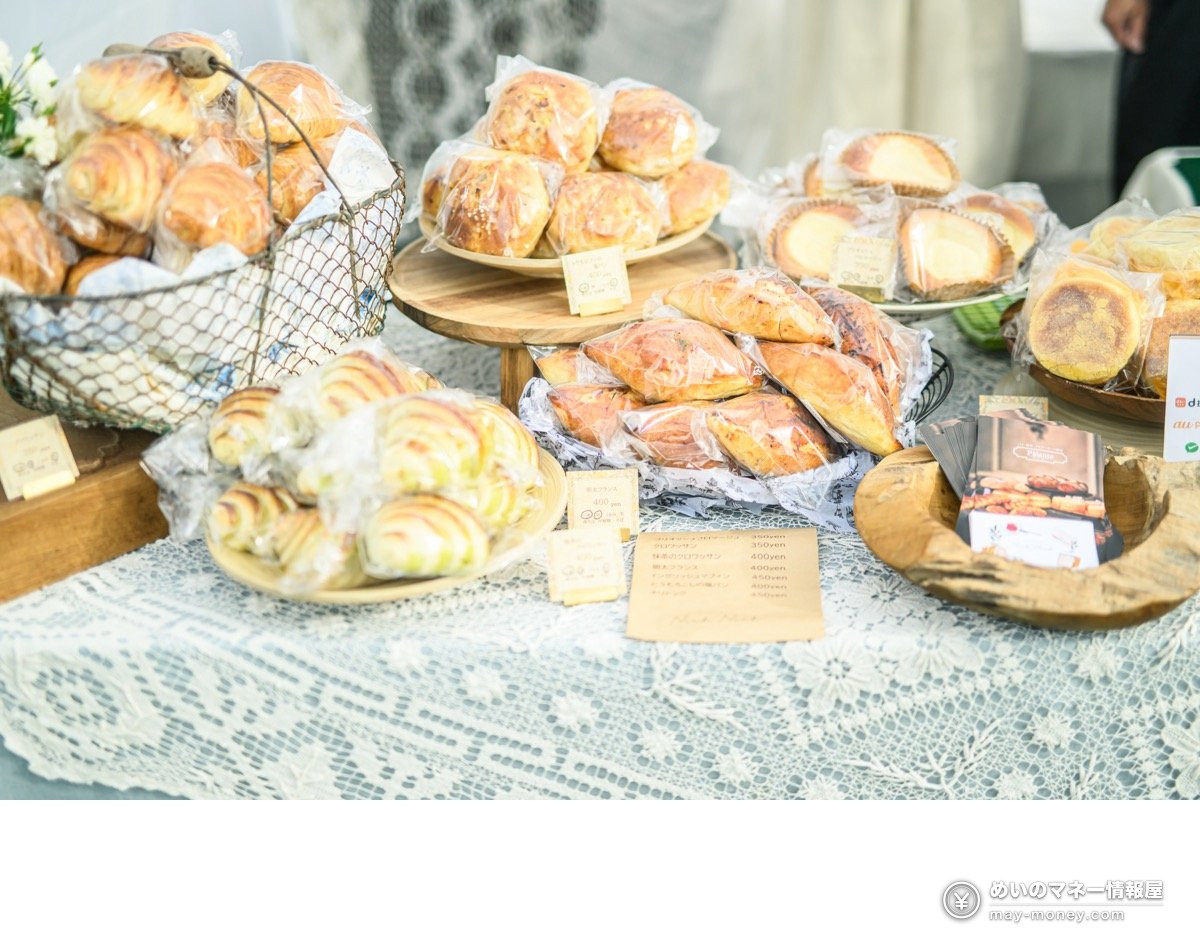
On 2 and 3 November the food focus switches to Komugi Fes (こむぎフェス), a wheat festival with more than 60 shops selling bread, doughnuts, baked sweets, crepes, burgers and pizza. The same days are scheduled to host the Nomi no Ichi sports day, with a bread-catching race, tug of war and beanbag toss — open to children and adults.
Kids’ market and youth market
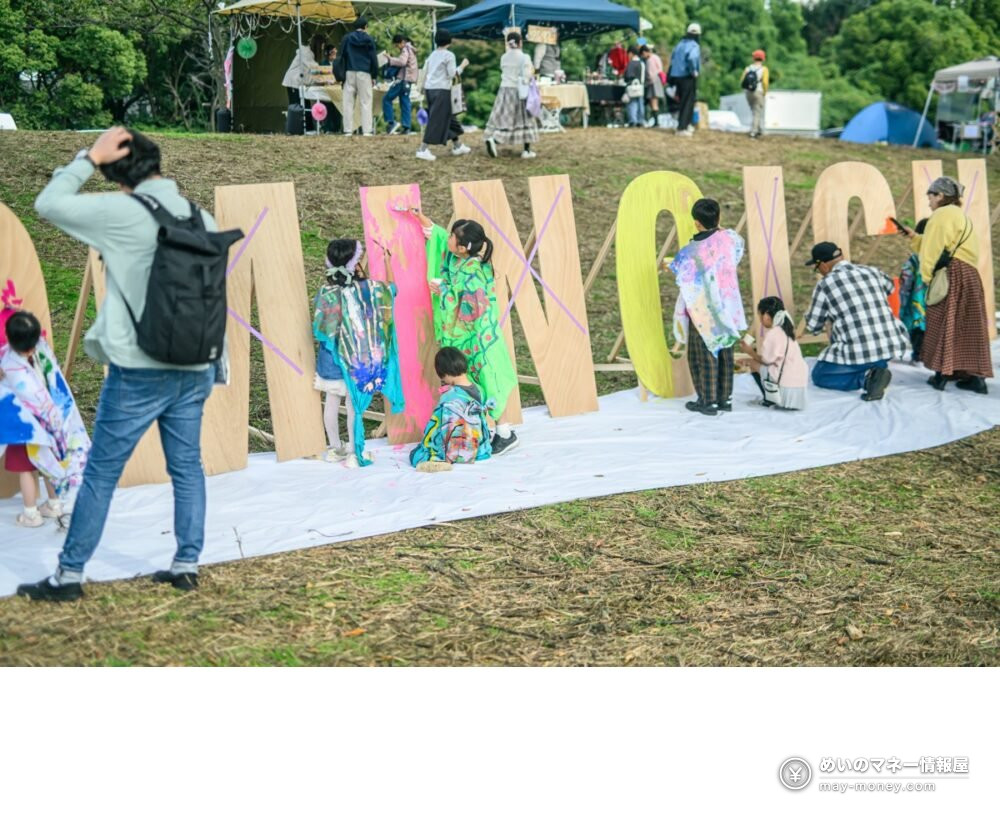
On 31 October and 1 November, elementary school children run their own stalls at Kodomo Nomi no Ichi (こども藤の市), selling what they have made or curated themselves. It is aimed at families, and buying from a nervous ten-year-old shopkeeper is a surprisingly good low-pressure way to practise everyday Japanese if you are still building confidence.
On 2 and 3 November the equivalent slot goes to Seishun Nomi no Ichi (青春藤の市), where makers from high school through graduate school sell their own work. Both are free to browse with your entry ticket.
Stage: live music, comedy and roaming performers
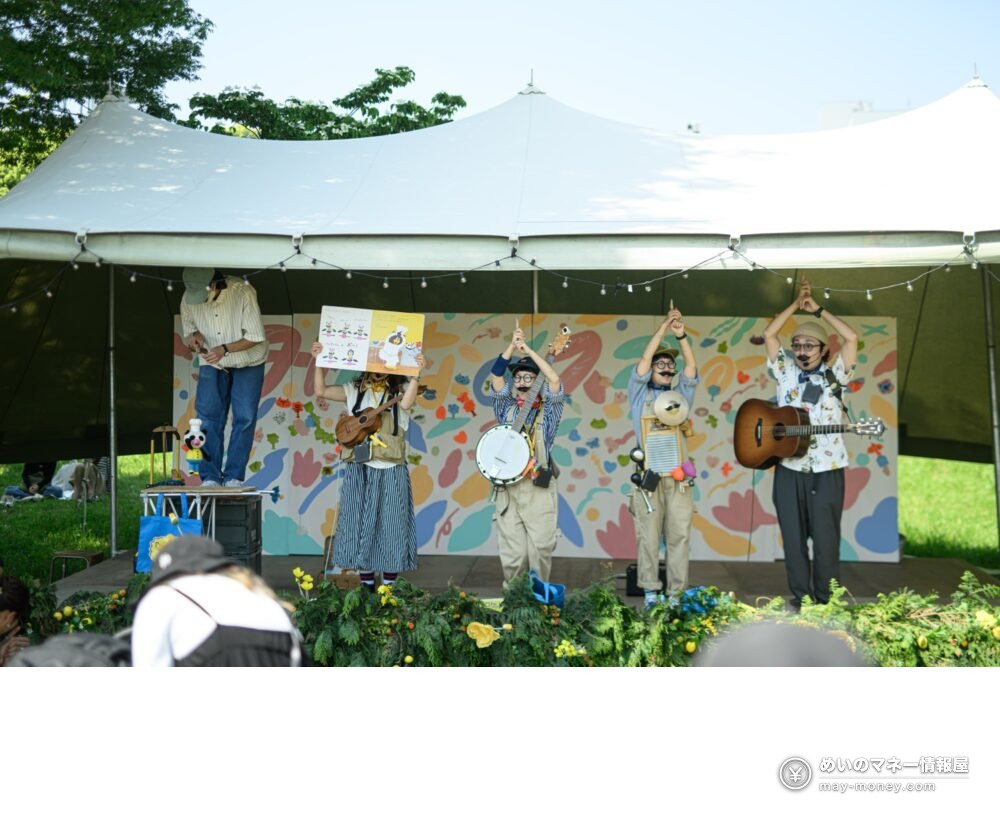
Across the four days the stage hosts 16 musical acts and four comedy acts. Announced performers include Isono-kun of YONA YONA WEEKENDERS, Asako Toki and TENDRE. Separately, performers will move through the site itself, so you are likely to run into something between stalls even if you never sit down at the stage. Set times are published by the organiser, so check the official site close to the date if you are coming for a specific act.
Practical tips for a first visit
- Buy online before you go. The advance ticket is the cheaper of the two, and it saves you queueing with cash at the gate.
- Carry cash in small notes. The gate takes cash only, and individual antique sellers often do too. Do not assume your usual QR payment app will work.
- Check the date against the programme table above. Anko Fes and Komugi Fes never overlap, and there is no multi-day pass.
- Bring a bag you can carry loaded. Old glassware, books and small furniture are heavy, and you will be walking back to the station with them.
- Dress for a lawn in early November. It is outdoors from 9:30 to 16:30, the event goes ahead rain or shine, and Tachikawa is cooler than central Tokyo in the morning.
- Go early for the good antiques. The distinctive one-off pieces move within the first couple of hours; the food and stage fill the afternoon comfortably.
If you are making a day of it in the area, our guides to Tokyo-wide bargains pair well with this one — for example the ¥300 sento coupon usable at 383 bathhouses is a cheap way to end a long day on your feet. And if you plan to pay for anything by card while you are out, it is worth knowing what your everyday payment setup actually earns you: see our nanaco guide and our comparison of Japan’s three megabanks.
FAQ
- Q. When and where is Tokyo Nomi no Ichi ’26 AUTUMN held?
- From Saturday 31 October to Tuesday 3 November 2026, a national holiday, from 9:30 to 16:30 each day. The venue is Yume Hiroba in the Midori no Bunka Zone of Showa Kinen Park, at 3173 Midori-cho, Tachikawa, Tokyo.
- Q. How much is a ticket?
- An advance ticket sold online is ¥1,800 and a ticket bought at the venue is ¥2,300. Children of junior high school age and younger enter free but must be accompanied by a guardian.
- Q. Can I use one ticket for all four days?
- No. Tickets are valid only on the day of purchase and there is no multi-day pass.
- Q. Can I pay by card or QR code at the entrance?
- No. Tickets sold at the venue can be paid for in cash only, so bring cash if you have not bought online in advance.
- Q. Which days is Anko Fes held?
- Anko Fes runs on 31 October and 1 November only. Komugi Fes runs on 2 and 3 November.
- Q. What happens if it rains?
- The event is held in rain. It is cancelled only in severe weather.
- Q. How do I get there from central Tokyo?
- Take the JR Chuo Line to Tachikawa Station, from which the venue is about a 10-minute walk. From Tachikawa-Kita Station on the Tama Monorail it is about 8 minutes on foot. The Akebono entrance of the park is the closest to the site.
- Q. Where can I check the latest details?
- Shop lists, stage times and the site map are published on the official event page and the official outline page. Confirm anything time-sensitive there before you travel.
Details above follow the organiser’s announcements: tokyonominoichi.com · announcement of the four-day schedule. Programmes and line-ups can change, so check the official pages before you set out.