Dahlias, parasols and a pagoda view, five minutes from Ueno Station
120+varieties, more than 200 plants · admission ¥800 (junior high age and up)
Ueno Park is where most people in Tokyo go for cherry blossoms, and then forget about it for the rest of the year. That is a mistake in autumn. The walled garden next to Ueno Toshogu shrine, normally known for its winter and spring peonies, turns into a dahlia garden from mid-September, and it is one of the few flower events in central Tokyo you can reach on foot from a JR station.
The event is called Dahlia Ayanasu Aki no Sono (ダリア綾なす秋の園), and it runs at Ueno Toshogu Botanien (上野東照宮ぼたん苑) from September 19 to November 3, 2026. Here is what is actually there, how much it costs, and when to go if you want the flowers at their best.
The basics at a glance
| Event | Dahlia Ayanasu Aki no Sono (ダリア綾なす秋の園) |
|---|---|
| Dates | September 19 to November 3, 2026 |
| Hours | 9:30 to 16:30 (16:30 is the last entry) |
| Venue | Ueno Toshogu Botanien (上野東照宮ぼたん苑) |
| Address | 9-88 Ueno Koen, Taito-ku, Tokyo |
| Admission | ¥800 for junior high school age and up Free for elementary school age and younger Season pass ¥2,000 |
| Scale | Over 120 varieties, more than 200 plants |
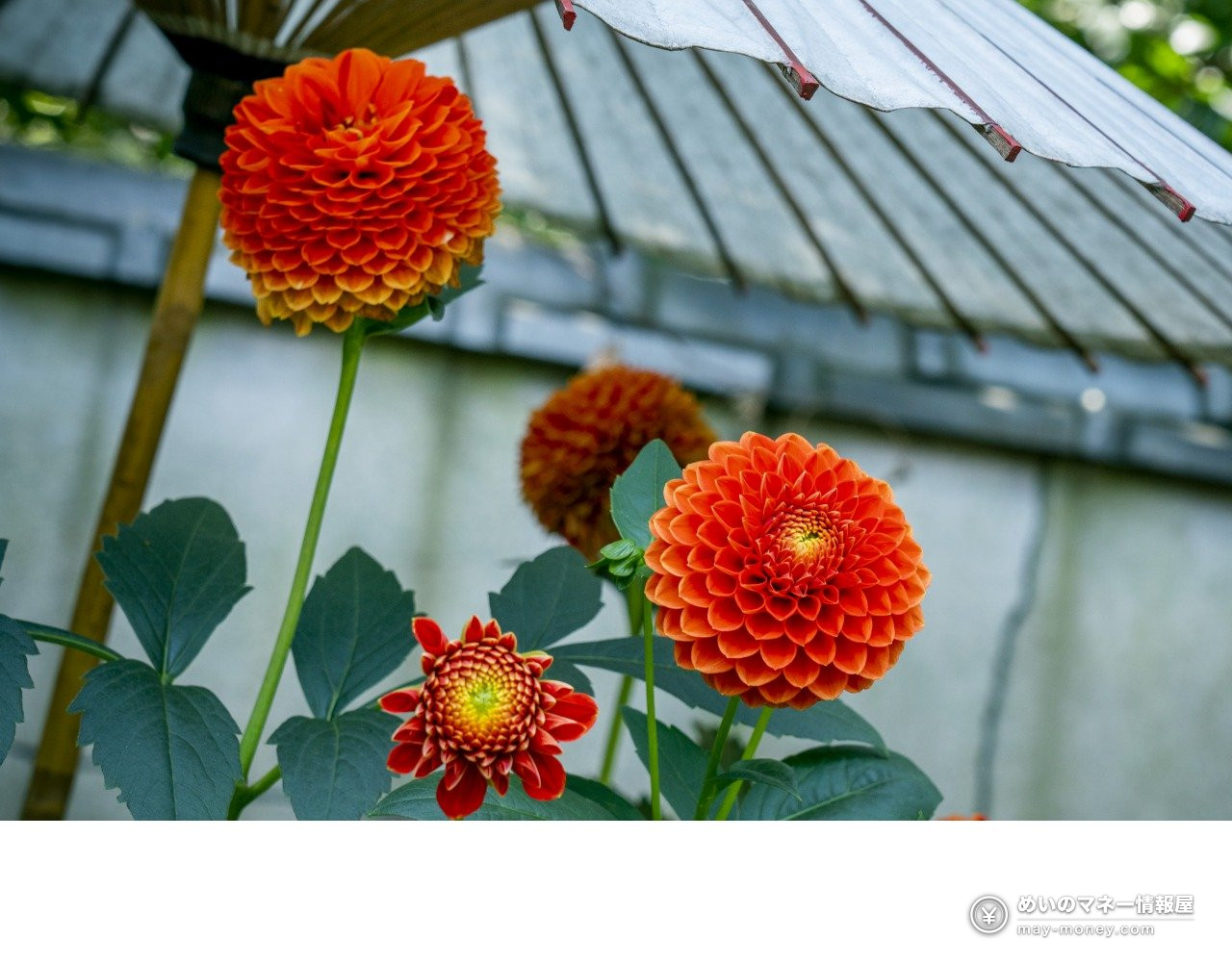
Image: from the official site (uenobotanen.com)
What the garden actually looks like
This is not a field of flowers. It is a compact Japanese stroll garden, and the dahlias are placed inside it rather than planted in rows. That distinction matters for what you get out of the visit.
Red and white Japanese parasols are set up over groups of blooms, which is where almost every photo from this garden comes from. From certain points on the path you can frame the flowers against the old Kaneiji five-storied pagoda, which stands just outside the garden wall. Seasonal arrangements, potted groupings and bonsai are placed along the route as well.
The dahlias are also not the only thing flowering. Autumn grasses and flowers open in sequence through the period, including burnet (ワレモコウ), thoroughwort (フジバカマ) and cosmos, so the garden keeps changing character between September and November.
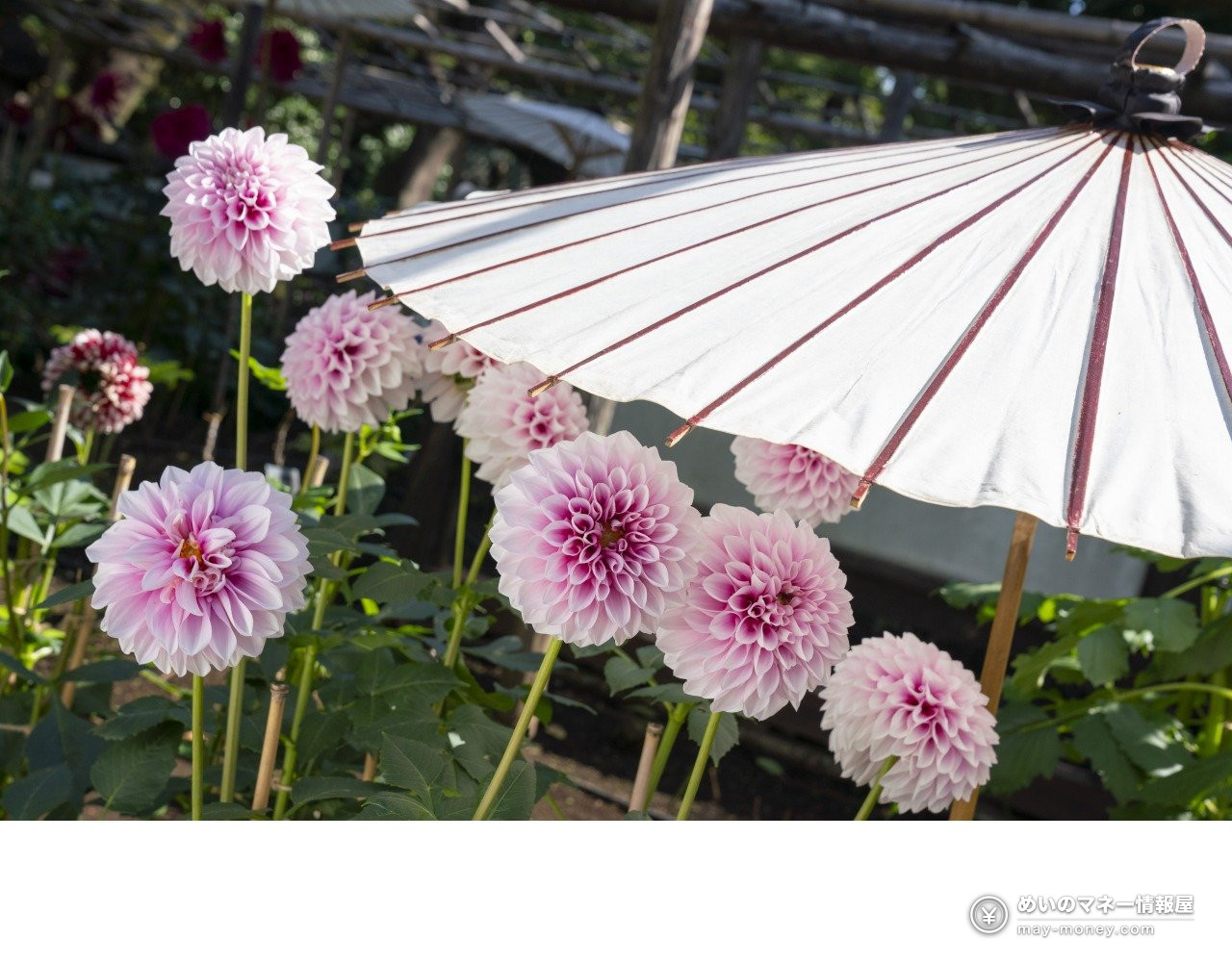
Image: from the official site (uenobotanen.com)
One more thing worth knowing if you collect them: in previous years the garden has offered a dahlia-themed protective charm during this event, and has added a dahlia stamp to the goshuin. It is described as an annual practice rather than a guaranteed part of the 2026 event, so treat it as a bonus and confirm on the day.
NAMAHAGE dahlias from Akita
The headline group this year is the NAMAHAGE dahlia series, developed as an original variety series in Akita Prefecture. The series started in 2012 and now has more than 40 registered varieties; around ten of them are scheduled to appear in the garden in 2026.
Alongside those, three varieties are listed as first-time appearances at this garden: Daisuisho (大水晶), Kisei (綺星) and Moko Purple (モコパープル). The garden notes that display depends on how the plants grow, so any individual variety may not be out on a given day.
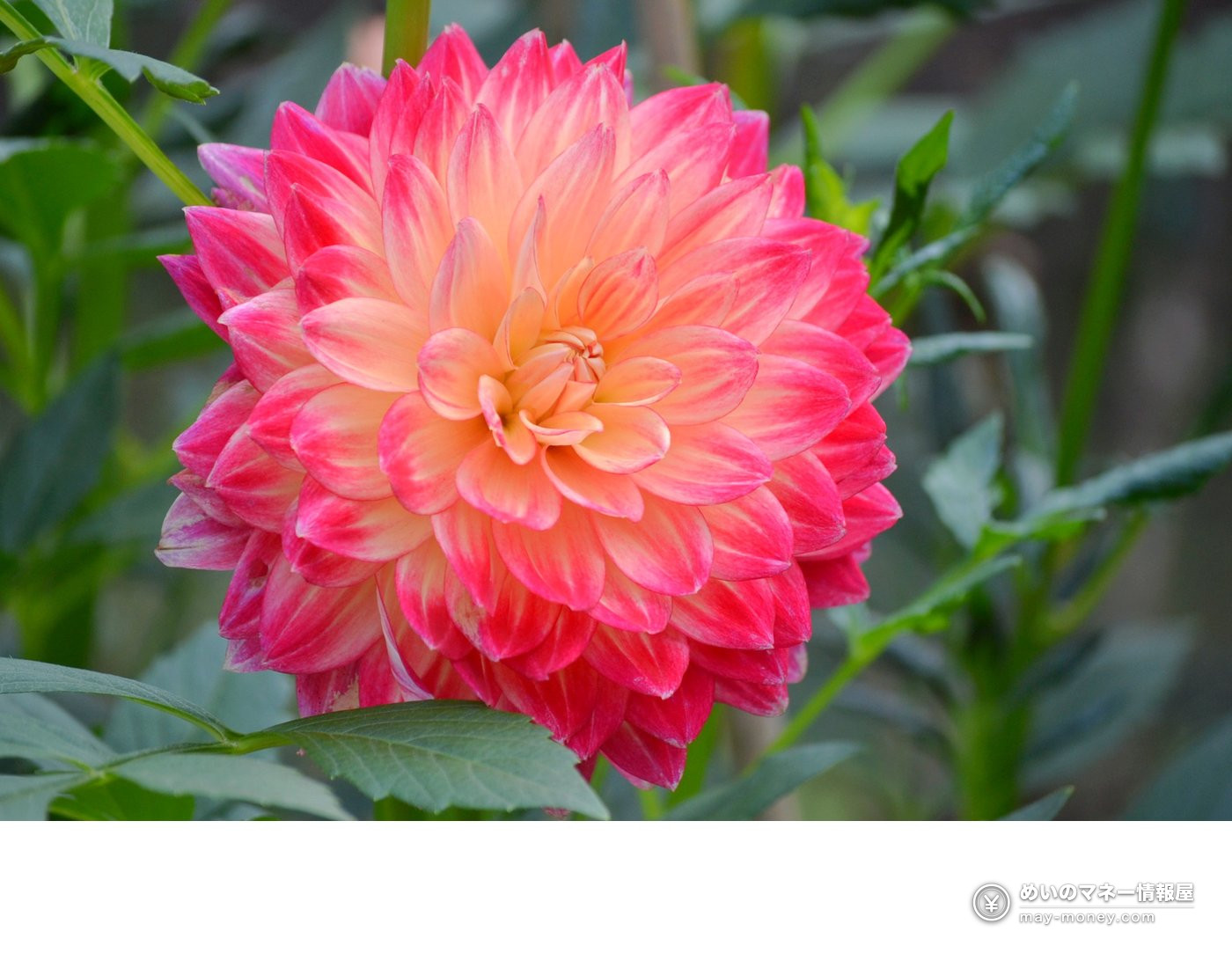
Image: from the official site (uenobotanen.com)
Varieties worth hunting for
With over 120 varieties in one walled garden, the flowers differ enormously in size, petal count and colour. The garden highlights a few varieties as especially unusual:
| Variety | What makes it stand out |
|---|---|
| Uwakigokoro (浮気心) | Deep crimson, pink and white mix unpredictably on the same flower, so no two blooms match |
| Kokucho (黒蝶) | Deep red so dark it reads as almost black |
| Mary Evelyn (メアリーエベリン) | Neatly ordered petals with a second layer of smaller petals stacked inside |
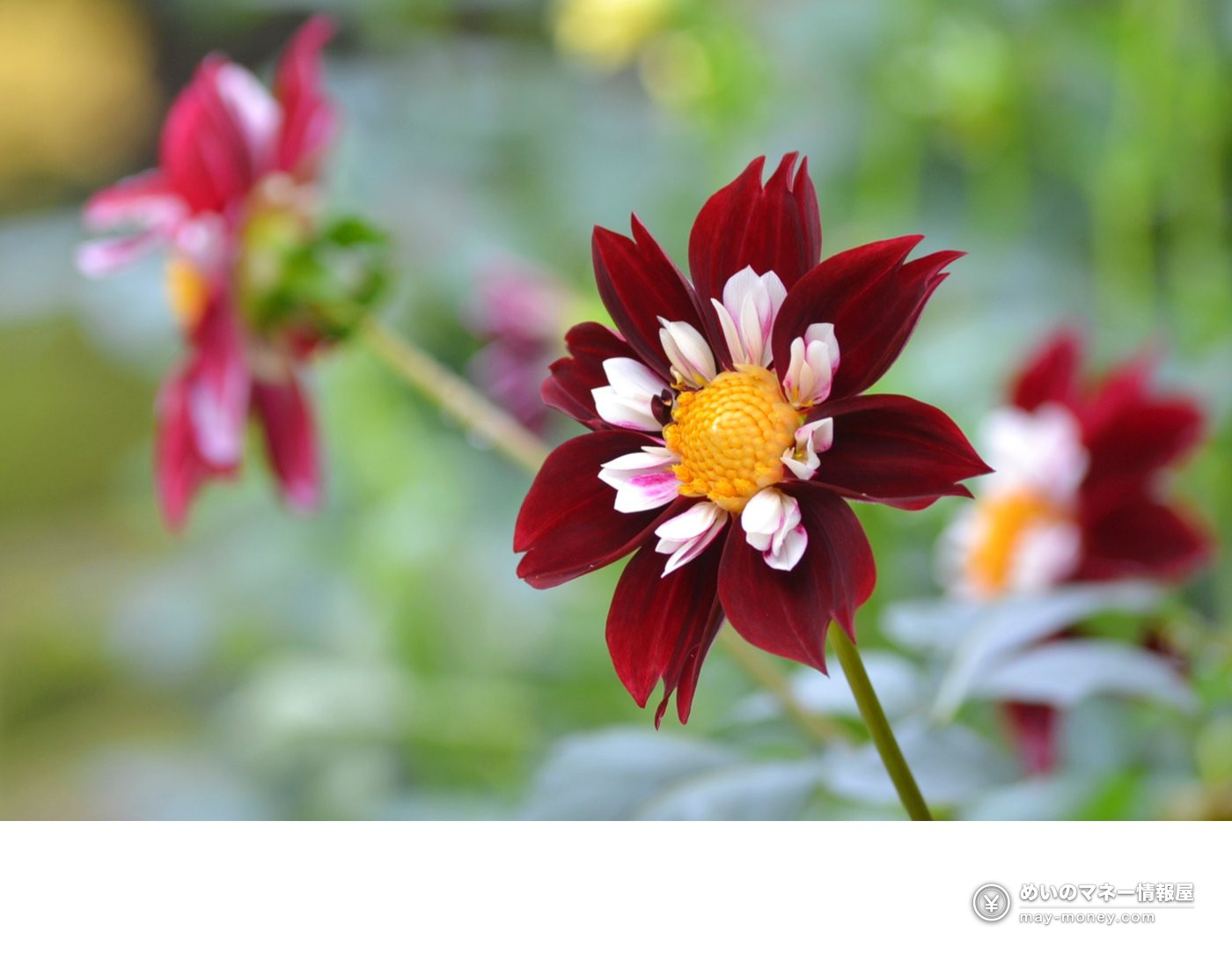
Image: from the official site (uenobotanen.com)
Practical tip for photos: the blooms range from very large to very small, and the small ones are easy to walk straight past. Slow down at the parasol displays, where the smaller cultivars tend to be grouped low.
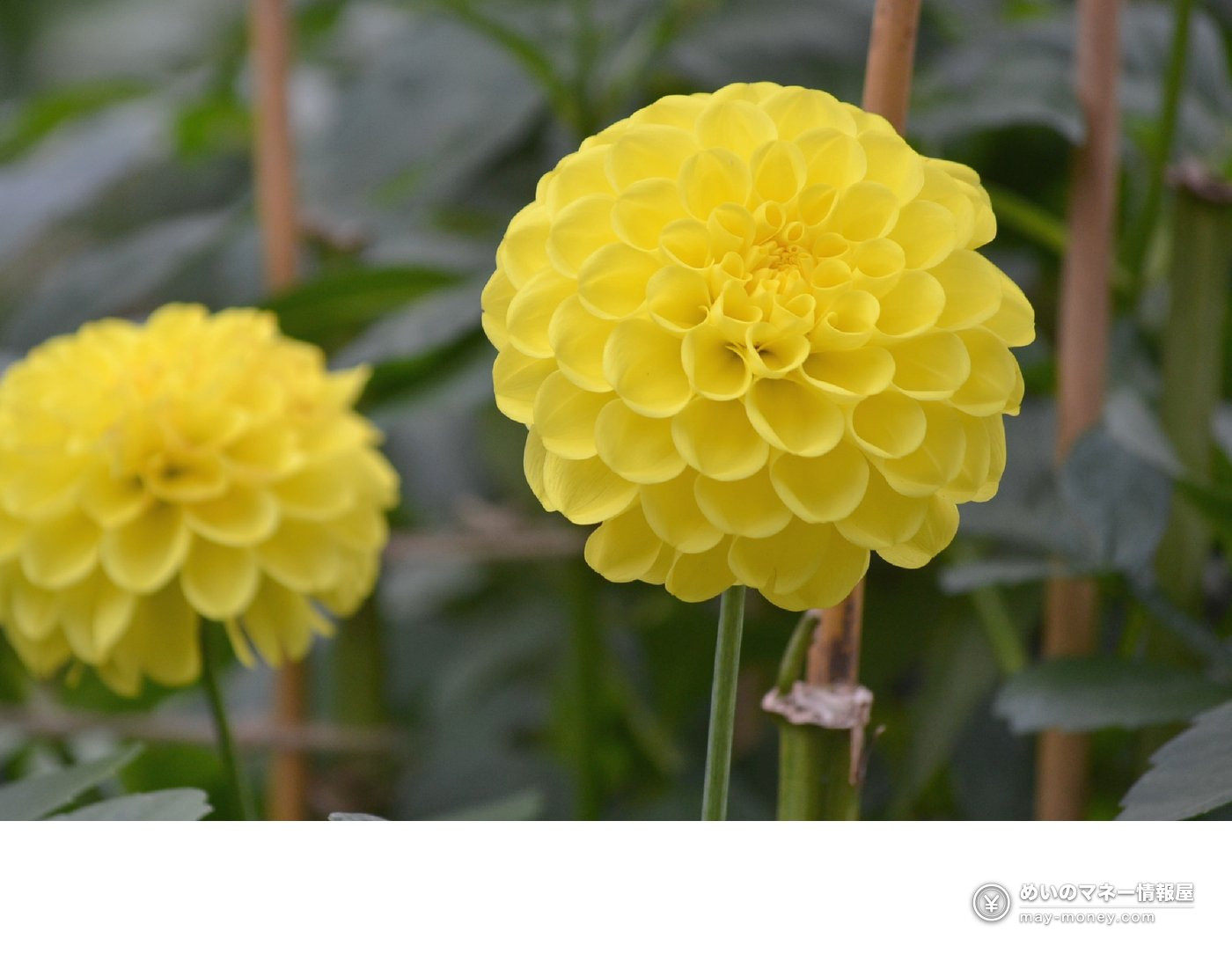
Image: from the official site (uenobotanen.com)
When to go: early bloomers vs mid-October
The event runs about a month and a half, and the garden does not look the same across it.
- Late September (opening period): the early-blooming dahlias carry the garden. Fewer flowers overall, but the weather is still warm and the crowds are lighter.
- Around mid-October: peak bloom is expected once the heat eases. This is the window to aim for if you only go once.
- Late October through November 3: the autumn grasses and cosmos are further along, giving a different, more seasonal feel.
Peak bloom is a forecast, not a promise — it moves with the weather every year. The garden posts bloom updates on its official Instagram, so check that before you commit to a date rather than relying on last year’s timing.
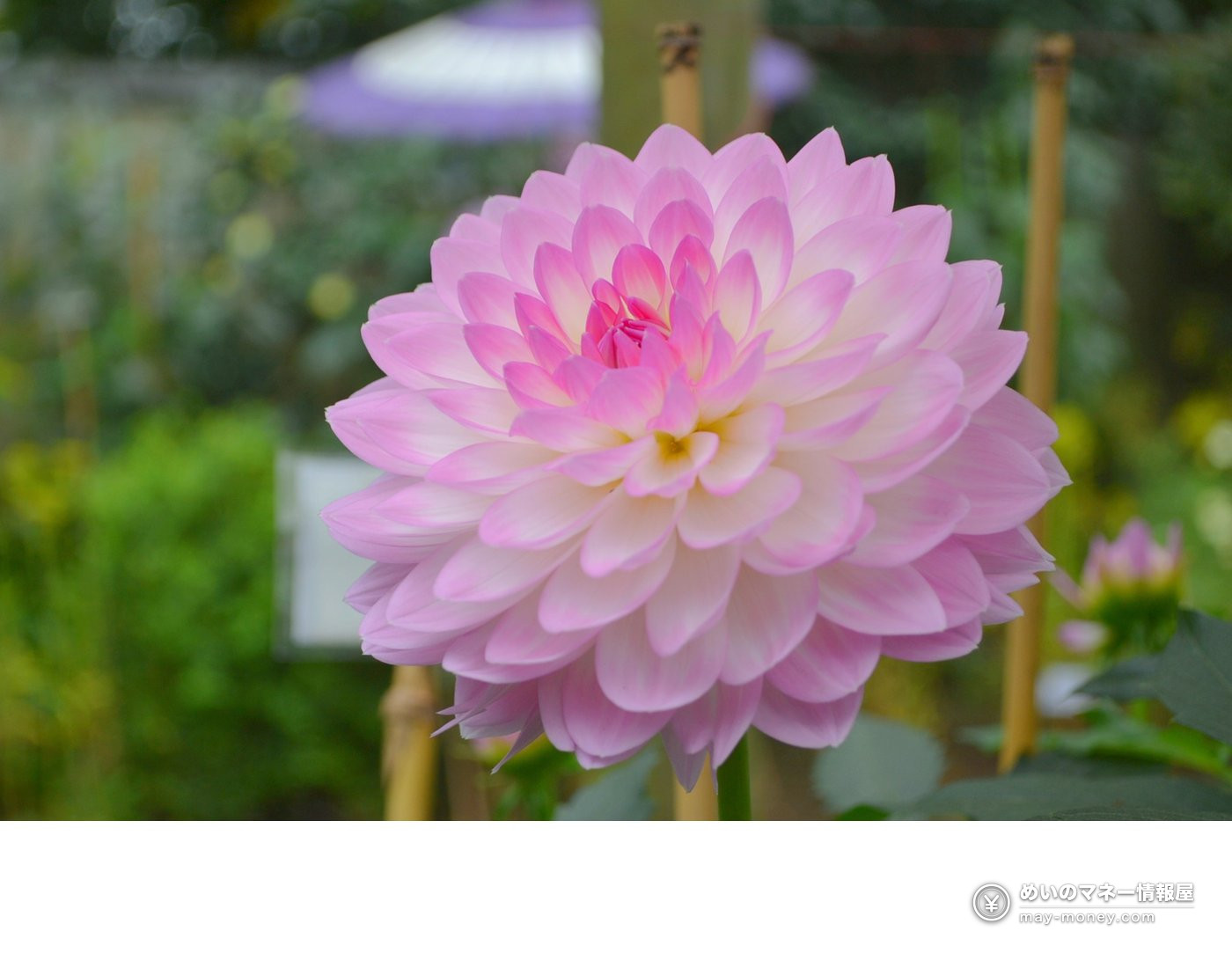
Image: from the official site (uenobotanen.com)
One scheduling note that catches people out: the last entry is 16:30, which is also the listed closing time. In late October, daylight in Tokyo is already fading around then, so arriving at 16:00 gives you very little usable light for photos. Mid-morning to early afternoon is the safer choice.
Tickets, and the season pass
Admission is ¥800 for junior high school age and above. Elementary school children and younger enter free, which makes this an unusually cheap outing for a family compared with most paid gardens in central Tokyo.
There is also a season pass at ¥2,000 covering the whole event period. That exists because the garden genuinely changes over six weeks: early varieties, peak bloom, then the autumn grasses. If you live in Tokyo and expect to come back to see the garden at different stages, it is the option to look at. For a one-time visit, the single ticket is all you need.
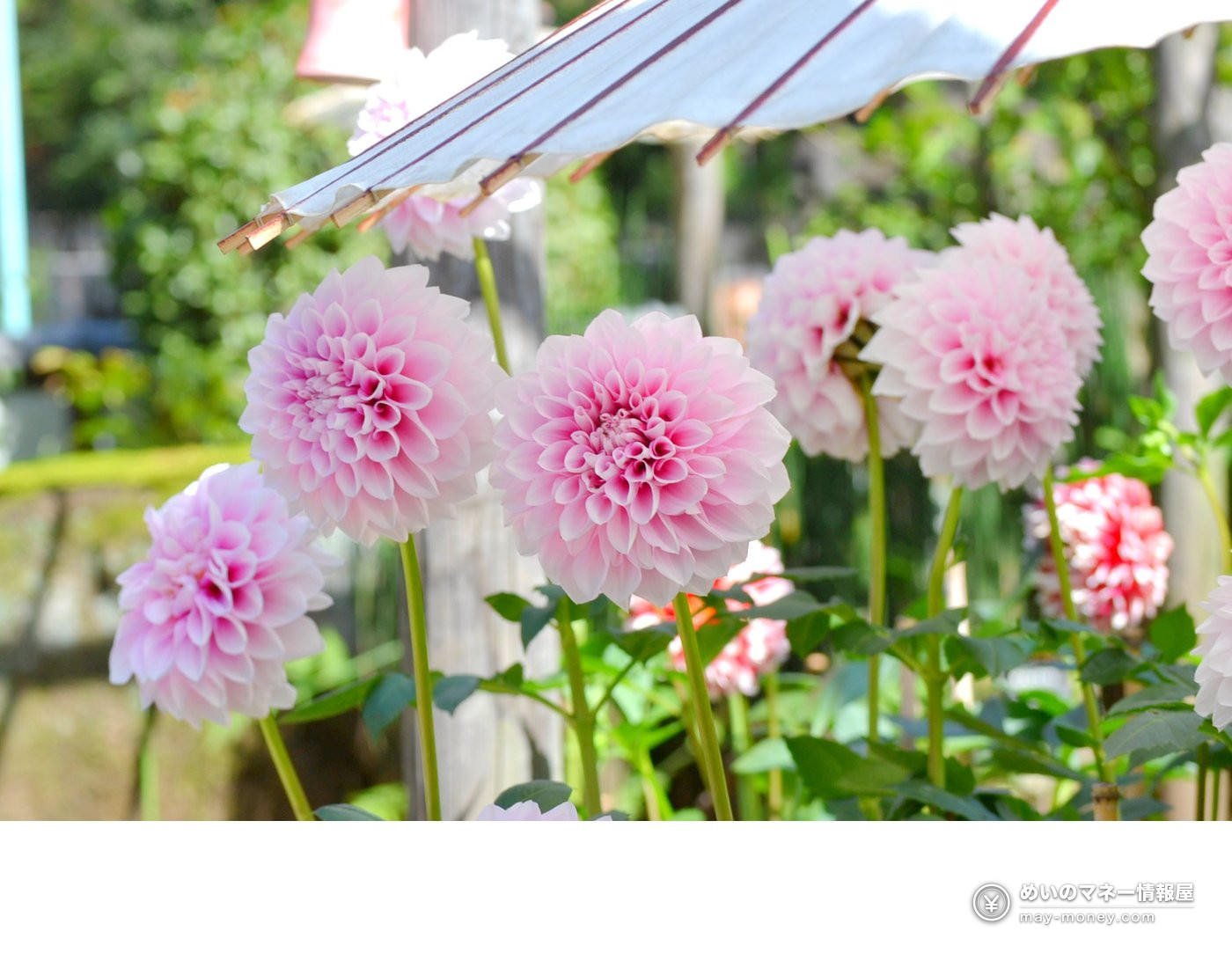
Image: from the official site (uenobotanen.com)
If you are building a full day around this, Ueno is a good base: the museums are a few minutes away on foot, and a cheap way to end the afternoon is a public bathhouse — we cover the ¥300 sento coupon valid at 383 Tokyo bathhouses separately. Coming in from outside Tokyo, it is worth checking the autumn unlimited-ride JR local train pass and the half-price Shinkansen Tokudane fares before you book anything at full price.
Getting there
| Station | Line | On foot |
|---|---|---|
| Ueno | JR | 5 min |
| Keisei Ueno | Keisei | 5 min |
| Nezu | Tokyo Metro Chiyoda | 10 min |
The garden entrance is inside Ueno Park, on the approach to Ueno Toshogu shrine. If you come from the JR side, head for the shrine first and the garden gate is on the way.
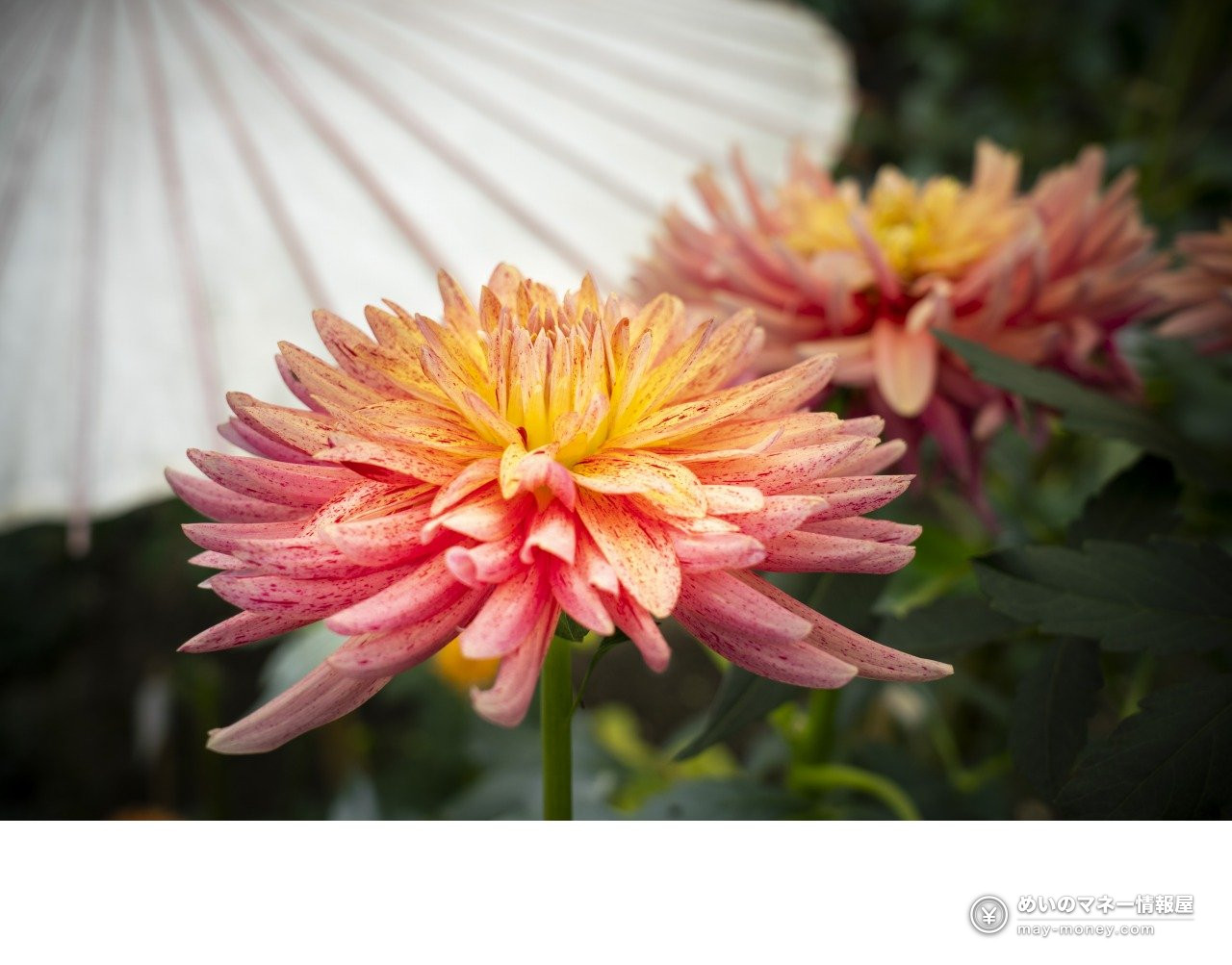
Image: from the official site (uenobotanen.com)
Questions people ask
- Q. How much is admission to the dahlia garden?
- ¥800 for junior high school age and above. Elementary school age and younger enter free. A season pass covering the whole event period is ¥2,000.
- Q. When are the dahlias at their best?
- The garden expects peak bloom around mid-October, once the summer heat eases. Early-blooming varieties can be seen from the opening days in late September. Bloom updates are posted on the garden’s official Instagram.
- Q. What time does it open and close?
- 9:30 to 16:30, with 16:30 listed as the entry deadline. Plan to arrive well before that, especially in late October when the light fades early.
- Q. How many dahlias are there?
- More than 200 plants in over 120 varieties, including around ten from Akita Prefecture’s original NAMAHAGE dahlia series.
- Q. Which station is closest?
- JR Ueno Station and Keisei Ueno Station are both about 5 minutes on foot. Nezu Station on the Tokyo Metro Chiyoda Line is about 10 minutes.
Details such as opening dates, hours and admission can be revised by the venue. Confirm on the official Ueno Toshogu Botanien site and its autumn schedule page before you go.